
Urinary Catheter Size Chart
Urinary Catheter Size Chart - Common lengths of 6 to 8 inches are used for women while lengths of 14 or more inches are often used for men. Learn more about knowing what size is may be best for you. Knowing how to determine what intermittent catheter size is right for you can help make your cathing routine comfortable and efficient. Web discover how to choose the right catheter size and type for your needs. Web male external catheters are significantly less invasive and have easier catheterization than internal urinary catheters, but sizing correctly is critical. Another name for a foley catheter is. Bladder catheters are used for urinary drainage, or as a means to collect urine for measurement. This gauge system is known as a french size, which is based upon a measurement of the external diameter of the catheter tube. The method of insertion of both of them are similar, except that the indwelling catheter need a closed drainage system, and the inflation of the balloon to keep the catheter in place. Web adult men and women. Web the average urinary catheter size for adult men is 14 fr, while female patients typically have 12 fr catheters, and children can have anywhere from 6 fr to 10 fr, on average. Web urinary catheters are hollow, partially flexible tubes that collect urine from the bladder. External catheters used for men are usually constructed of latex or silicone material. Web your healthcare provider will help you decide the right size and length catheter for you. Another name for a foley catheter is. Catheters have a rounded curved tip (elbowed) used in older male patients with enlarged prostates which partially obstruct the urethra. Catheter size relates to the thickness or diameter of the catheter and is measured in charriere (ch) or french gauge (fg). Web urinary catheters come in a wide range of sizes to accommodate lots of body sizes. Web the first part of this guide will cover the basic points of choosing a catheter—infection risk, french size, length, and tip (straight vs coude). How do you know what size your catheters should be? Male and female external catheters have different sizes because they are not placed internally inside the urethra. The intermittent and indwelling catheters. Bladder catheters are used for urinary drainage, or as a means to collect urine for measurement. Web intermittent catheters are available in different lengths and sizes suitable for men and women. Catheters come in different shapes and sizes. Catheter size relates to the thickness or diameter of the catheter and is measured in charriere (ch) or french gauge (fg). Web catheter sizing and measurements. Often called retention catheter, they have 2 or 3 lumens that encircle the. Your prescribing physician will help you determine which catheter french size may work best for your anatomy and needs. Your doctor. Your doctor will help you determine which french size is right for you. Catheter size relates to the thickness or diameter of the catheter and is measured in charriere (ch) or french gauge (fg). Web wenliang chen, md, phd. The intermittent and indwelling catheters. Web urinary catheters are hollow, partially flexible tubes that collect urine from the bladder. Web there are two main types of urinary catheters: Web all internal urinary catheters, including foley catheters and intermittent catheters, are sized by a universal gauge system. External catheters used for men are usually constructed of latex or silicone material. Urinary catheters come in many sizes and types. The size of the catheter will differ depending on your specific needs. Web the average urinary catheter size for adult men is 14 fr, while female patients typically have 12 fr catheters, and children can have anywhere from 6 fr to 10 fr, on average. Web sizes can range anywhere from pediatric sizes to larger diameter sizes for unique adult anatomies (5 fr to 24 fr, most commonly). External catheters used for. Urinary catheters come in many sizes and types. Web the average urinary catheter size for adult men is 14 fr, while female patients typically have 12 fr catheters, and children can have anywhere from 6 fr to 10 fr, on average. Web urinary catheters come in a wide range of sizes to accommodate lots of body sizes. Your doctor will. The size of the catheter will differ depending on your specific needs and requirements. Your prescribing physician will help you determine which catheter french size may work best for your anatomy and needs. The diameter of a catheter is measured in “french units” or “fr”. How do you know what size your catheters should be? If you choose a catheter. Catheter size relates to the thickness or diameter of the catheter and is measured in charriere (ch) or french gauge (fg). Web there are two main types of urinary catheters: Male and female external catheters have different sizes because they are not placed internally inside the urethra. Often called retention catheter, they have 2 or 3 lumens that encircle the.. Web wenliang chen, md, phd. Web there are two main types of urinary catheters: Bladder catheters are used for urinary drainage, or as a means to collect urine for measurement. This gauge system is known as a french size, which is based upon a measurement of the external diameter of the catheter tube. Web learn how to select the right. Web a quick reference for hcp's on the indwelling catheter (foley catheter) types, foley catheter sizes, and how shape and size variations impact the patient. The second part of this guide will lead you through the things you should be considering but perhaps aren’t—discretion, portability, lubrication, design, and cost. Web the length of internal catheters is usually referenced in inches. Web request your free sample here. Knowing how to determine what intermittent catheter size is right for you can help make your cathing routine comfortable and efficient. Web a quick reference for hcp's on the indwelling catheter (foley catheter) types, foley catheter sizes, and how shape and size variations impact the patient. Web wenliang chen, md, phd. The method of insertion of both of them are similar, except that the indwelling catheter need a closed drainage system, and the inflation of the balloon to keep the catheter in place. The second part of this guide will lead you through the things you should be considering but perhaps aren’t—discretion, portability, lubrication, design, and cost. Web there are two main types of urinary catheters: Web intermittent catheters are available in different lengths and sizes suitable for men and women. Web discover how to choose the right catheter size and type for your needs. For example, a 30 fr catheter is 10 mm in diameter. Understanding the french scale for intermittent catheters and foley catheters. Web catheter sizing and measurements. Your prescribing physician will help you determine which catheter french size may work best for your anatomy and needs. A universal gauge system was developed to make it easier for patients around the world to determine which size catheter they need. Web urinary catheters are hollow, partially flexible tubes that collect urine from the bladder. Web a foley catheter is a device that drains urine (pee) from your urinary bladder into a collection bag outside of your body when you can’t pee on your own or for various medical reasons.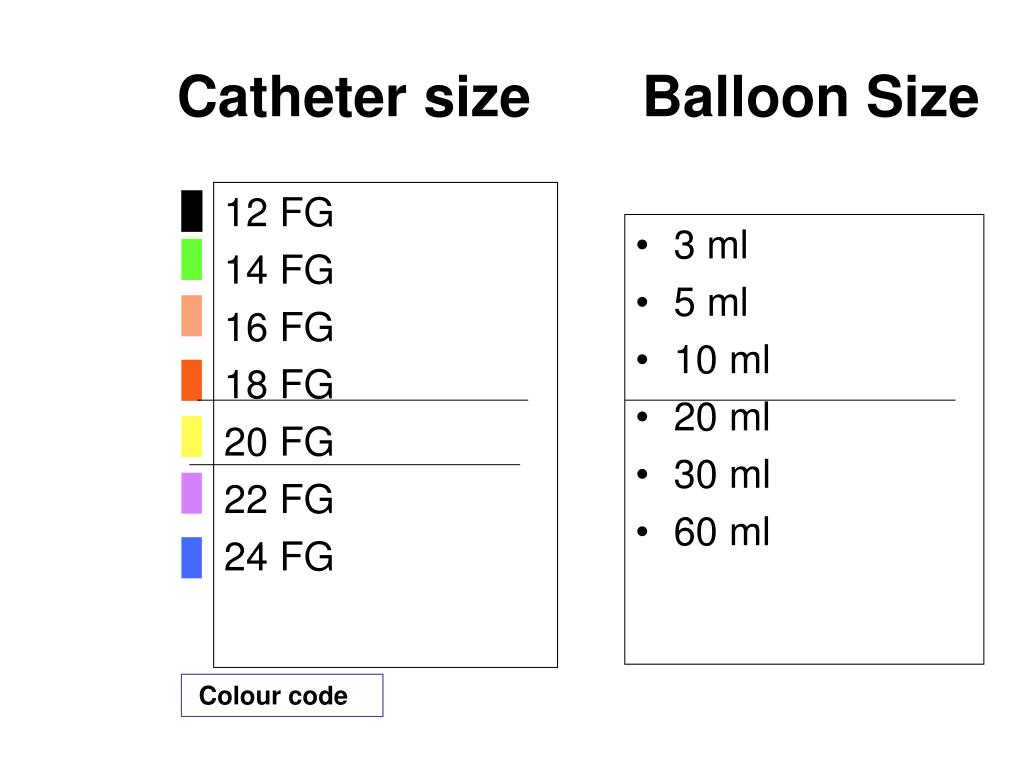
Fr Catheter Size Chart
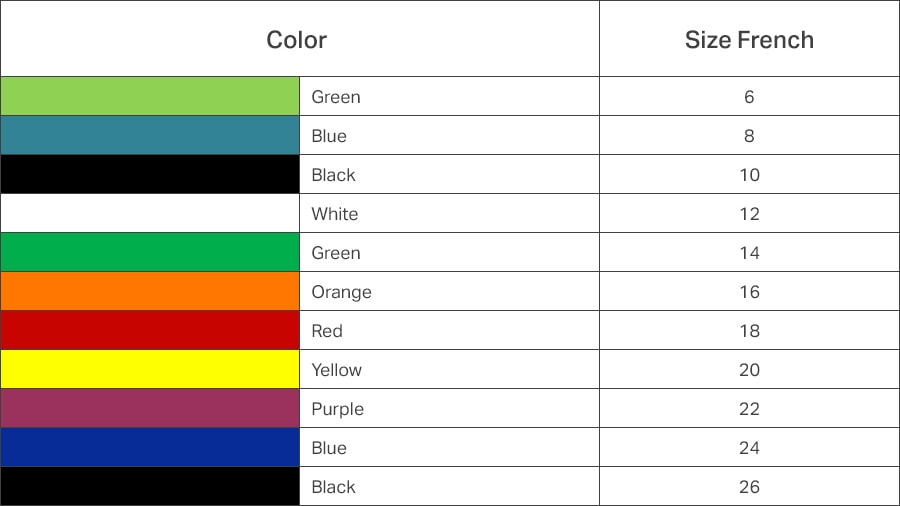
Urethral Catheter Sizes
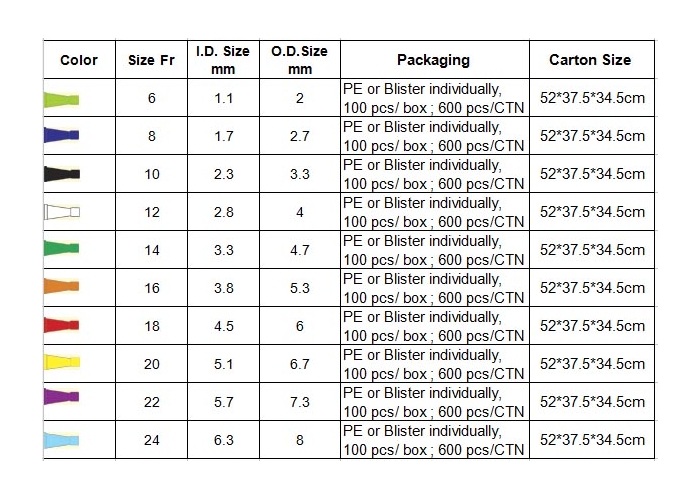
Male Catheter Size Chart
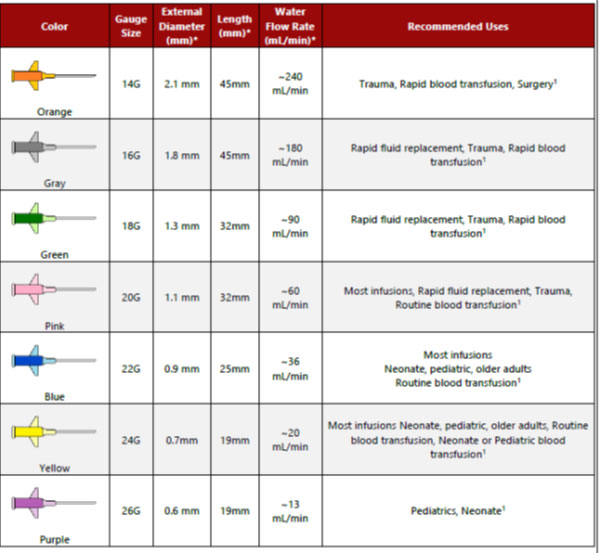
Iv Catheter Size Chart

Sizes Of Foley Catheter Chart
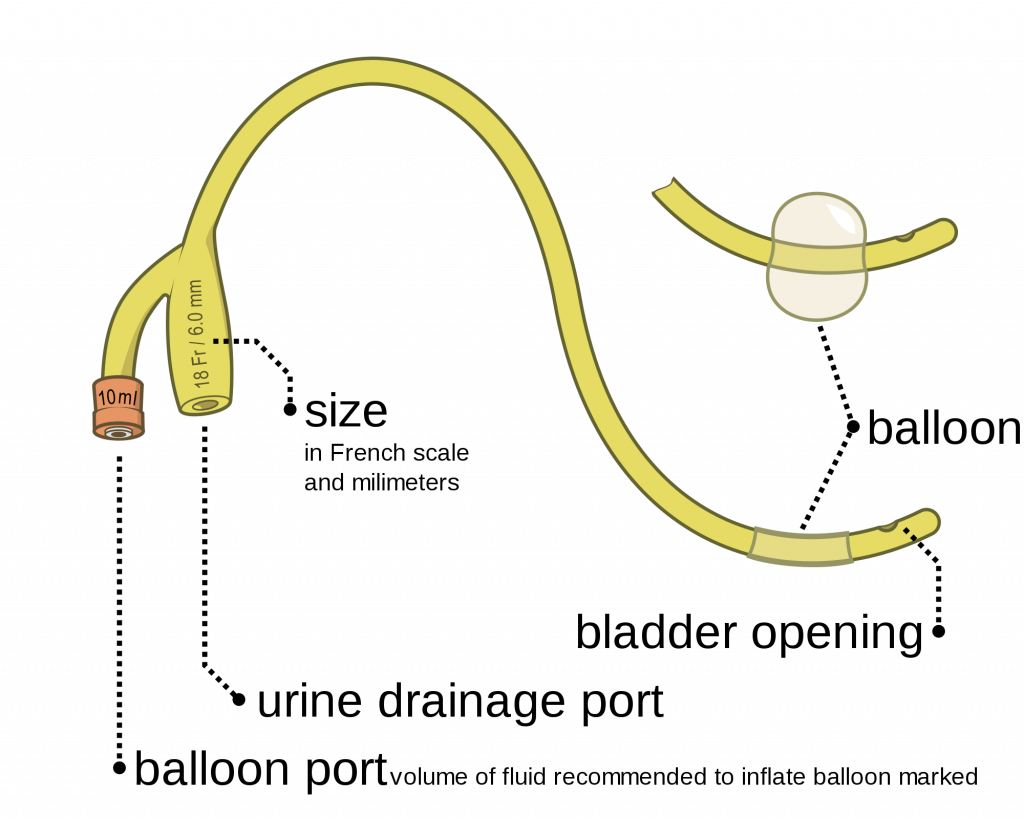
Foley Catheter Size Chart
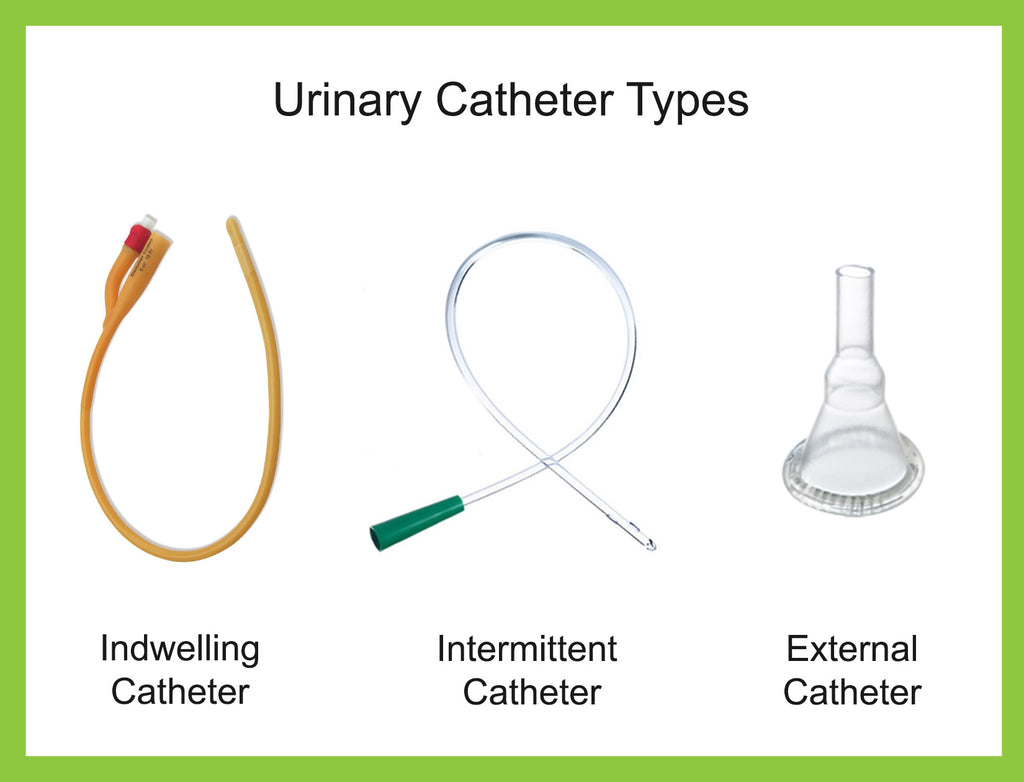
Catheters 101 The Basics of Urinary Catheter Types

Sizes Of Foley Catheter Chart

Urinary Catheter Types and Sizes CompactCath

Urinary Catheter Types and Sizes and How to Choose CompactCath
Web The First Part Of This Guide Will Cover The Basic Points Of Choosing A Catheter—Infection Risk, French Size, Length, And Tip (Straight Vs Coude).
Web Your Healthcare Provider Will Help You Decide The Right Size And Length Catheter For You.
Web The Average Urinary Catheter Size For Adult Men Is 14 Fr, While Female Patients Typically Have 12 Fr Catheters, And Children Can Have Anywhere From 6 Fr To 10 Fr, On Average.
How Do You Know What Size Your Catheters Should Be?
Related Post: