
Tooth Charting Surfaces
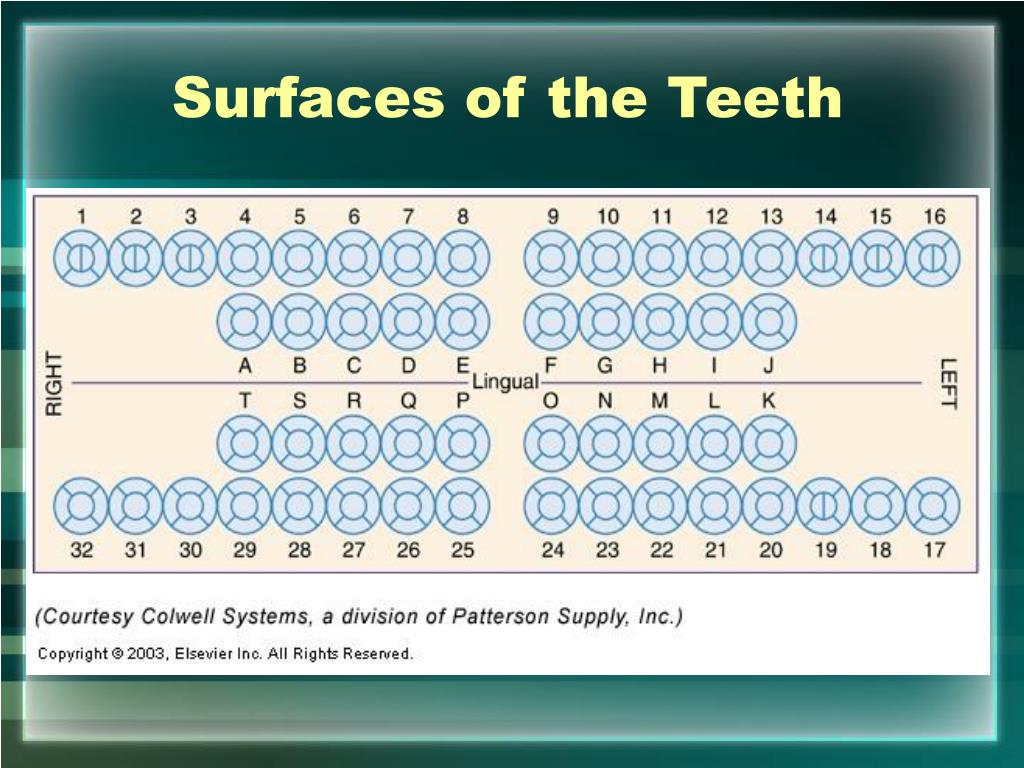
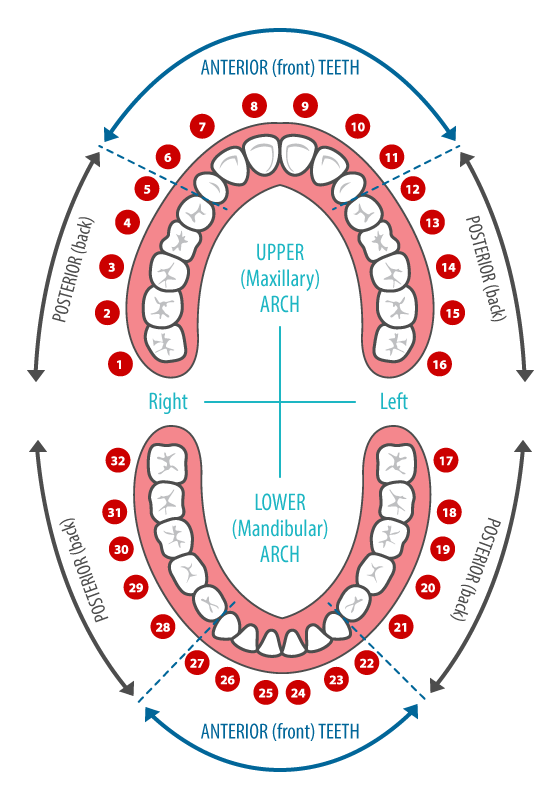
Tooth Charting Surfaces - Web know the left and right have been mixed up and all the teeth are present each tooth has 5 surfaces. | the universal tooth numbering system is explained (with pictures). Review dental charting combines information from week 2 (tooth labelling). • teeth present • teeth missing • work to be carried out • work completed • surfaces with cavities and restorations etc. When charting, the mouth is looked on as being a flat line. In an anatomic diagram, the illustration resembles actual teeth. Web study the tooth numbers. Web this area (odontogram) displays a graphical representation of the teeth in the patient’s upper and lower jaws, including base charting, historical charting and planned treatment. P 3/3 = 28, in adult cats 2x i 3/3 : Vestibular is the correct term referring to the surface of the tooth facing the vestibule or lips; Web this week you will spend some time reviewing earlier concepts about the teeth including surfaces and labelling, and learn about the dental chart. In puppies the dental formula is 2x i 3/3 : Review dental charting combines information from week 2 (tooth labelling). Web tooth diagrams, numbering systems, and color coding. Web detail the differences in tooth diagrams, including anatomical and geometric charting using the universal/national numbering system. Notice how they begin on upper left and finish on lower left. Vestibular is the correct term referring to the surface of the tooth facing the vestibule or lips; Web a teeth chart is a simple drawing or illustration of your teeth with names, numbers, and types of teeth. Constant pressure, automated, talking probe records all parameters of a periodontal exam, including pocket depth, to the nearest. | the universal tooth numbering system is explained (with pictures). These factors include, but are not limited to, the following: Web the dental formula of a dog is 2x i 3/3 : Web a teeth chart is a simple drawing or illustration of your teeth with names, numbers, and types of teeth. For example, in posterior teeth, mandibular molar, the five surfaces are buccal, occlusal, lingual, mesial, and distal surfaces.. It provides an interactive exam that dramatically increases acceptance of periodontal treatments. What are the numbers of the two front teeth? When identifying teeth and referring to specific areas of a tooth, it is necessary to utilize named surfaces and directions designated according to where it is located. Notice how they begin on upper left and finish on lower left.. In puppies the dental formula is 2x i 3/3 : | tooth identification quizzes for both permanent and deciduous (baby) teeth. Notice how they begin on upper left and finish on lower left. You can use it as dental anatomical charting tooth surfaces practice, completely. Web there are mainly five surfaces of the teeth. Web tooth diagrams, numbering systems, and color coding. Web there are mainly five surfaces of the teeth. | the universal tooth numbering system is explained (with pictures). Web this is an online quiz called dental anatomical charting tooth surfaces. Web the dental formula of a dog is 2x i 3/3 : Web detail the differences in tooth diagrams, including anatomical and geometric charting using the universal/national numbering system. Tooth avulsion and enamel erosion). Web this week you will spend some time reviewing earlier concepts about the teeth including surfaces and labelling, and learn about the dental chart. Buccal and labial are acceptable alternatives. However, the most commonly used diagrams are anatomic. Choose the appropriate surfaces and classifications for existing and planned restorations. Web detail the differences in tooth diagrams, including anatomical and geometric charting using the universal/national numbering system. The charts in the examination will be used to show: This diagram helps us learn the names of each tooth, the. When identifying teeth and referring to specific areas of a tooth,. Web a comprehensive guide to teeth including types of teeth, tooth anatomy, tooth surface terminology and clinical relevance (e.g. Web this is an online quiz called dental anatomical charting tooth surfaces. Web a teeth chart is a simple drawing or illustration of your teeth with names, numbers, and types of teeth. It provides an interactive exam that dramatically increases acceptance. Web the dental formula of a dog is 2x i 3/3 : Constant pressure, automated, talking probe records all parameters of a periodontal exam, including pocket depth, to the nearest. These factors include, but are not limited to, the following: M 1/1 = 30, and kittens 2x 3/3 : Web the surface of a mandibular or maxillary tooth facing the. Web this area (odontogram) displays a graphical representation of the teeth in the patient’s upper and lower jaws, including base charting, historical charting and planned treatment. In an anatomic diagram, the illustration resembles actual teeth. This diagram helps us learn the names of each tooth, the. • teeth present • teeth missing • work to be carried out • work. In an anatomic diagram, the illustration resembles actual teeth. For example, in posterior teeth, mandibular molar, the five surfaces are buccal, occlusal, lingual, mesial, and distal surfaces. Web this area (odontogram) displays a graphical representation of the teeth in the patient’s upper and lower jaws, including base charting, historical charting and planned treatment. Choose the appropriate surfaces and classifications for. Web tooth diagrams, numbering systems, and color coding. Constant pressure, automated, talking probe records all parameters of a periodontal exam, including pocket depth, to the nearest. Choose the appropriate surfaces and classifications for existing and planned restorations. Web detail the differences in tooth diagrams, including anatomical and geometric charting using the universal/national numbering system. Review dental charting combines information from week 2 (tooth labelling). For example, in posterior teeth, mandibular molar, the five surfaces are buccal, occlusal, lingual, mesial, and distal surfaces. The tooth chart can be displayed in two dimensional or via 3d charting. The five surfaces are labial, palatal, mesial, distal and incisal surfaces. Fully labeled illustrations of the teeth with dental terminology (orientation, surfaces, cusps, roots numbering systems) and detailed images of each permanent tooth. Web this area (odontogram) displays a graphical representation of the teeth in the patient’s upper and lower jaws, including base charting, historical charting and planned treatment. Tooth diagrams for recording dental conditions are available with a variety of diagram styles; Web atlas of dental anatomy: Vestibular is the correct term referring to the surface of the tooth facing the vestibule or lips; What are the numbers of the two front teeth? Web this is an online quiz called dental anatomical charting tooth surfaces. These factors include, but are not limited to, the following: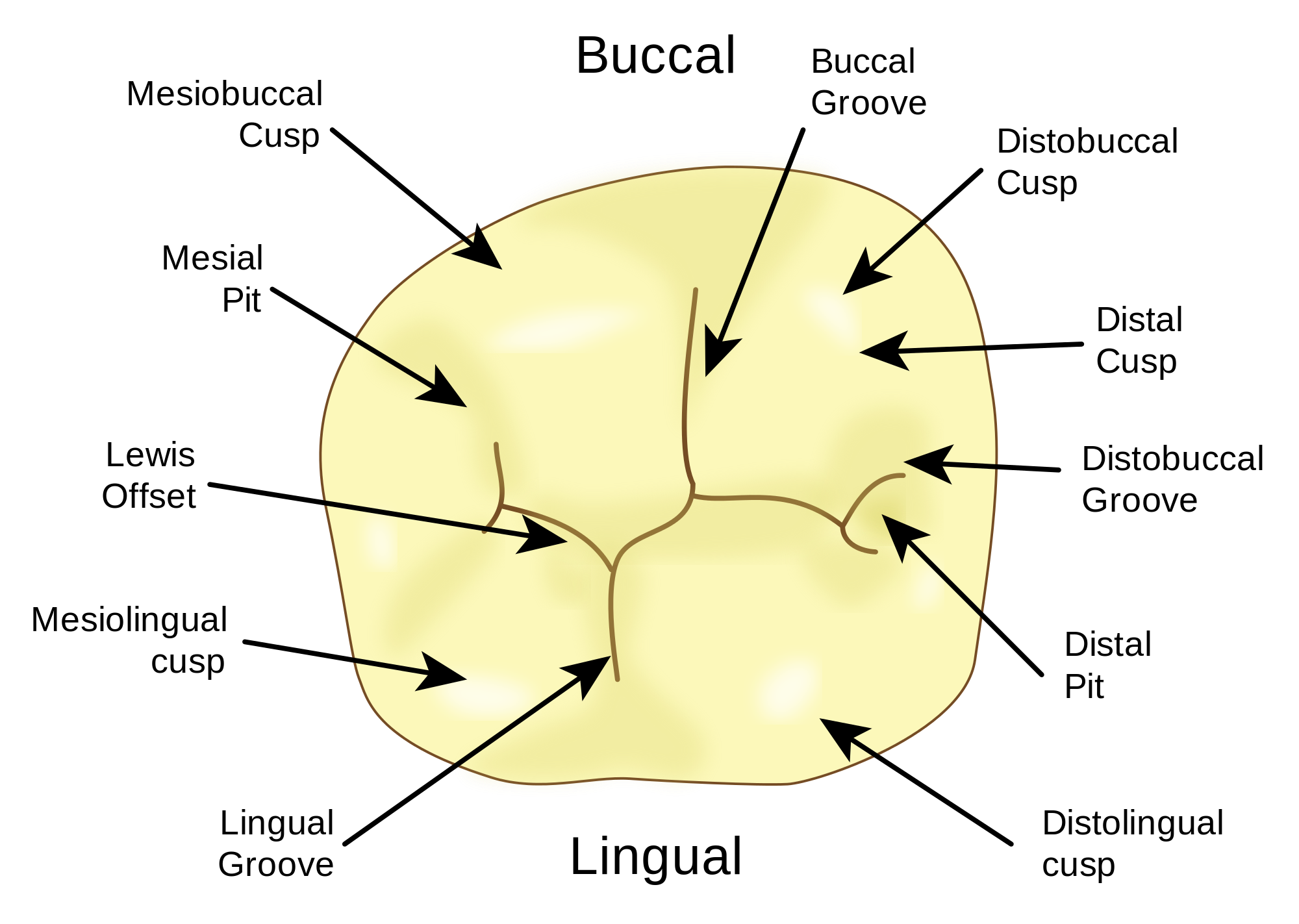
Your Tooth Surfaces Explained Dental Clinique
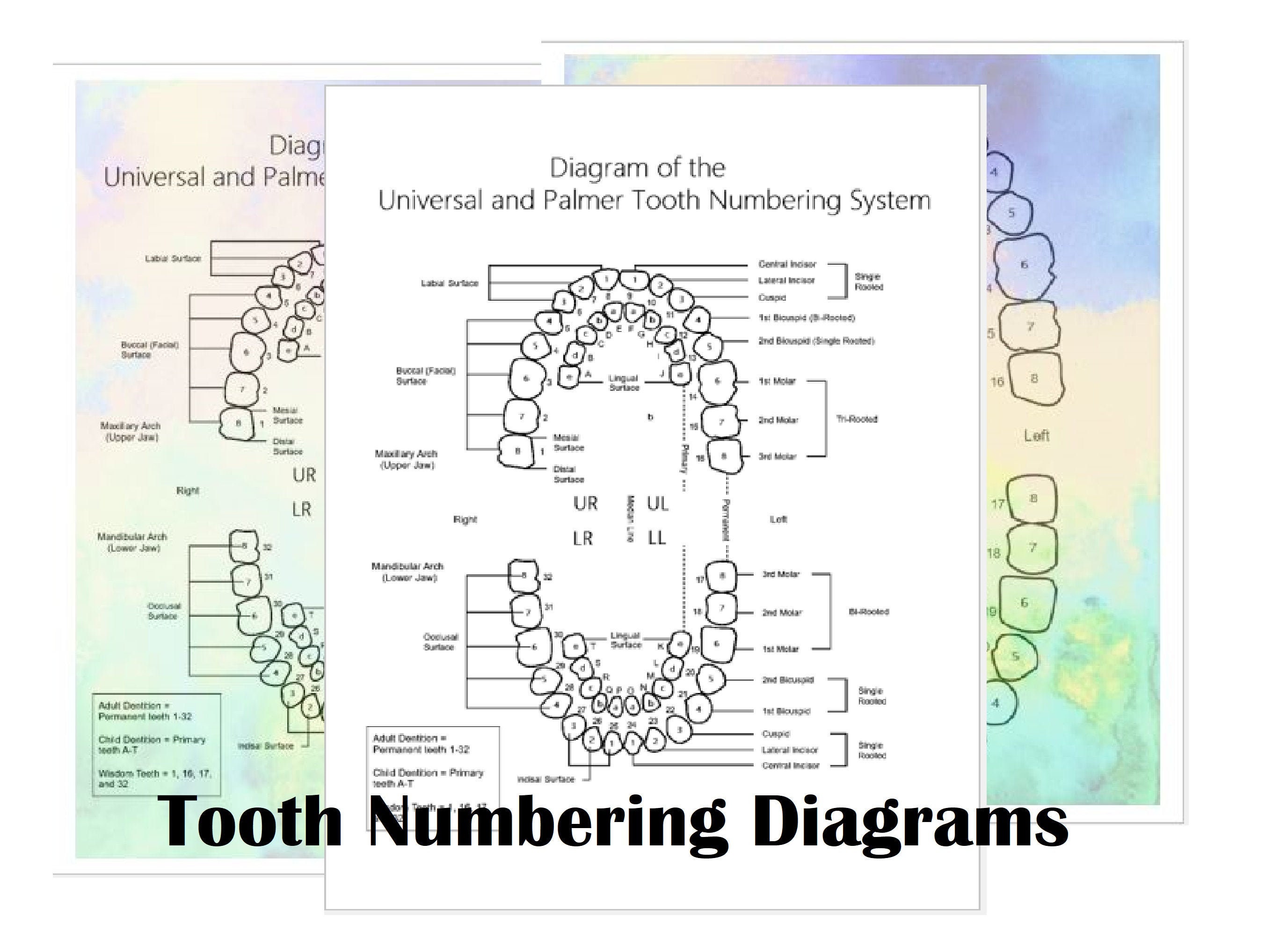
Printable Tooth Numbering Diagram for Dental Offices Etsy

22+ Labeled Tooth Surfaces Diagram SujaniAamir
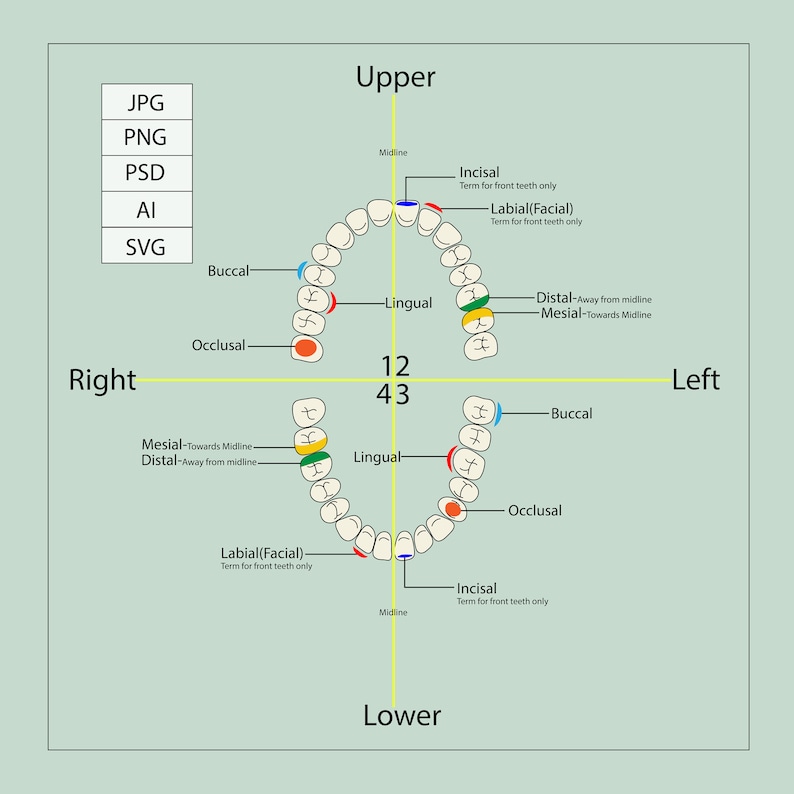
Dental Charting Guide, Teeth Parts Guide Charting, Dental Student
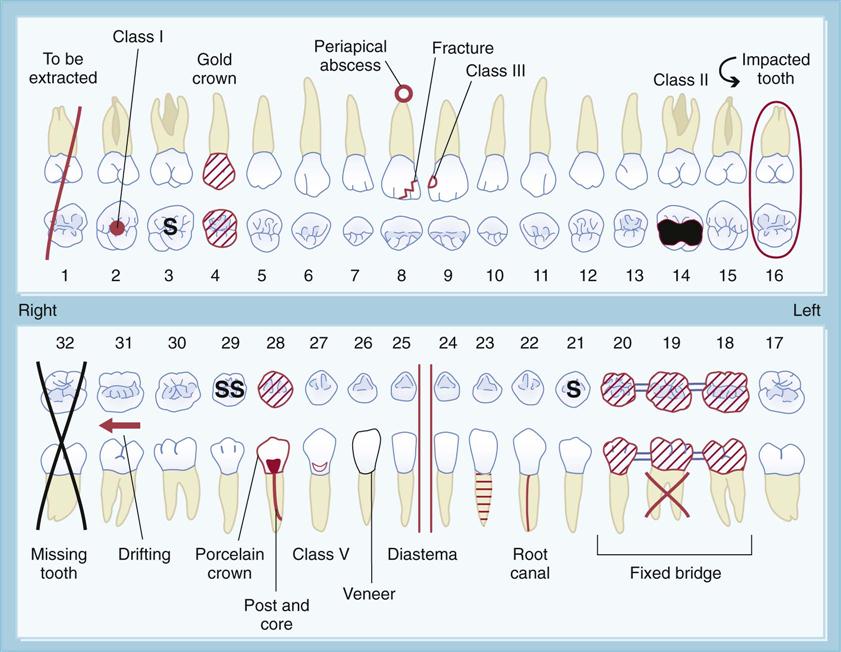
12. The Dental Examination Pocket Dentistry
Dental Teeth Surfaces Chart

Surfaces Of Teeth Chart
dental tooth numbers and surfaces

Tooth Surfaces Charting Diagram Quizlet

Printable Tooth Surface Chart
However, The Most Commonly Used Diagrams Are Anatomic And Geographic Designs.
When Charting, The Mouth Is Looked On As Being A Flat Line.
Buccal And Labial Are Acceptable Alternatives.
Web A Chart Is A Diagrammatic Representation Of The Teeth Showing All The Surfaces Of The Teeth.
Related Post: