
Stoichiometry Flow Chart
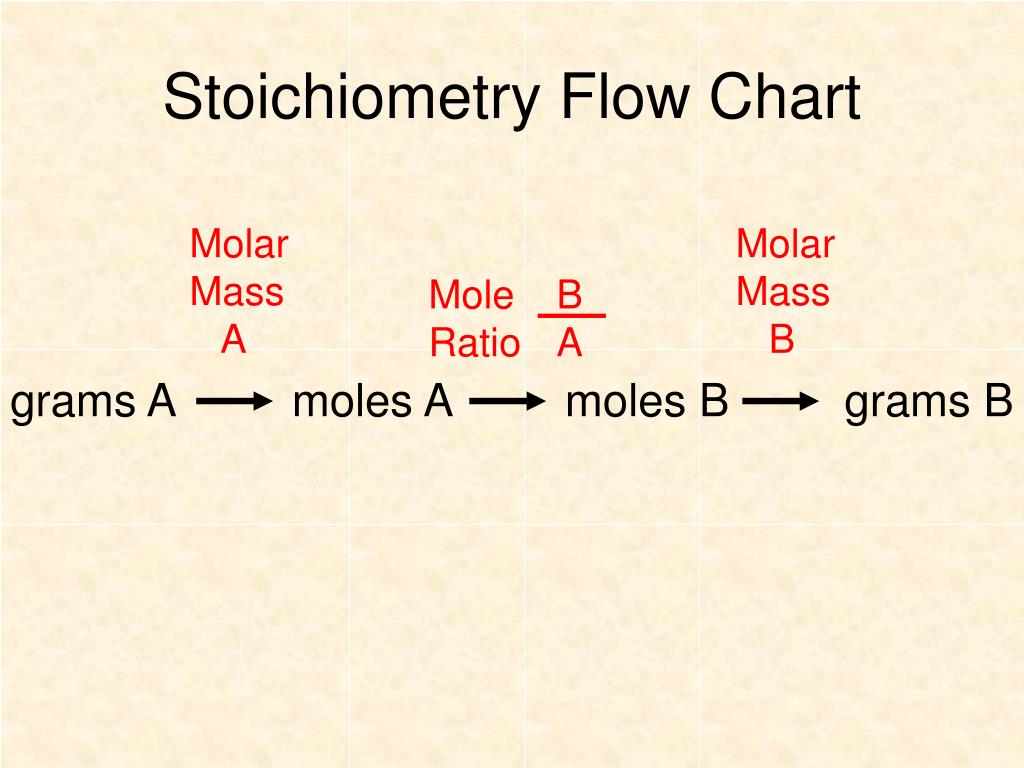
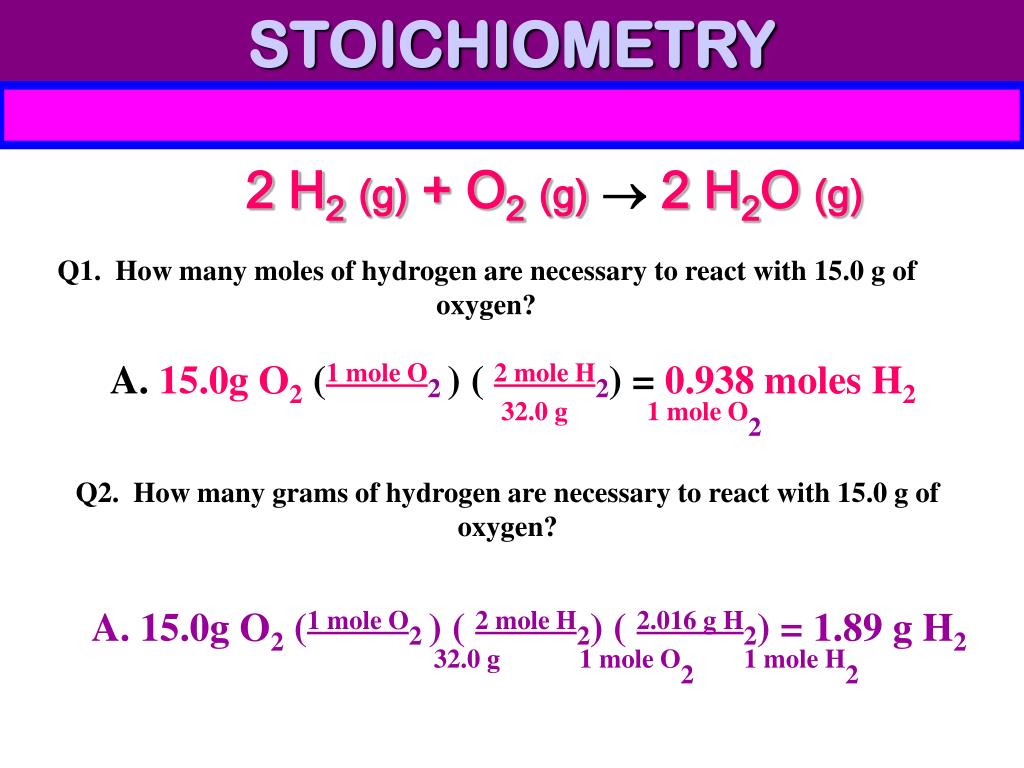
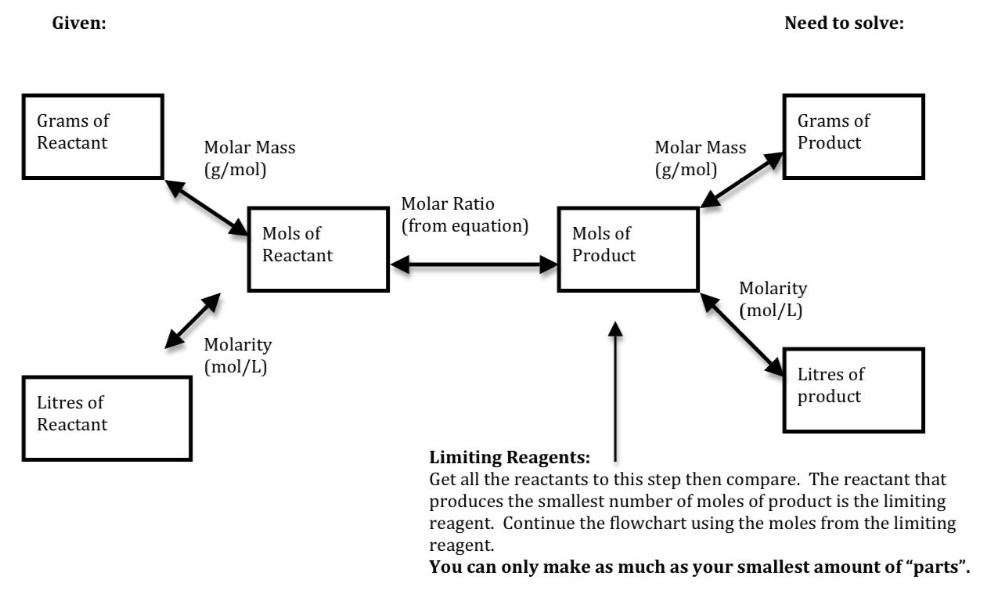
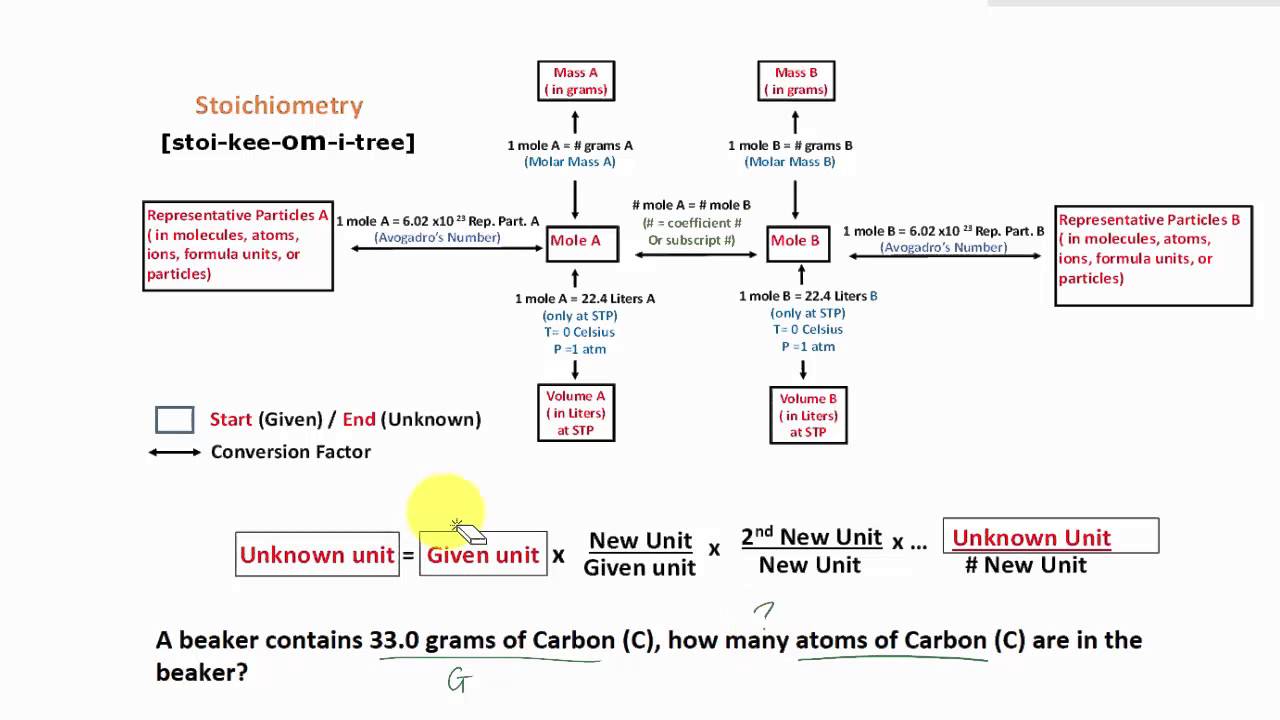
Stoichiometry Flow Chart - Web stoichiometry, flow chart, moles to mass conversion. Web outline of stoichiometry of chemical reactions. Web a balanced chemical equation shows us the numerical relationships between each of the species involved in the chemical change. We can use these numerical relationships to write mole ratios, which allow us to convert between amounts of reactants and/or products (and thus solve stoichiometry problems!). Web figure 1.3.2 provides a general outline of the various computational steps associated with many reaction stoichiometry calculations. Web derive chemical equations from narrative descriptions of chemical reactions. The preceding chapter introduced the use of element symbols to represent individual atoms. Web at its core, stoichiometry is the study of the quantitative relationships between the reactants and products in chemical reactions. Web explain the concept of stoichiometry as it pertains to chemical reactions. Web flowchart of steps in stoichiometric calculations. Web flowchart of steps in stoichiometric calculations. Use creately’s easy online diagram editor to edit this diagram, collaborate with others and export results to multiple image formats. Chose your starting point (“a”) by what units you have to start with: Web figure 1.3.2 provides a general outline of the various computational steps associated with many reaction stoichiometry calculations. Web stoichiometry, flow chart, moles to mass conversion. Subscripts tell the number of atoms of each element in a molecule or compound. Mass (g,kg, volume (l, or with. The preceding chapter introduced the use of element symbols to represent individual atoms. You must start with a balanced chemical equation. We can use these numerical relationships to write mole ratios, which allow us to convert between amounts of reactants and/or products (and thus solve stoichiometry problems!). The preceding chapter introduced the use of element symbols to represent individual atoms. Writing and balancing chemical equations; We can use these numerical relationships to write mole ratios, which allow us to convert between amounts of reactants and/or products (and thus solve stoichiometry problems!). Web a balanced chemical equation shows us the numerical relationships between each of the species involved. Web flowchart of steps in stoichiometric calculations. Web flow chart for solving stoichiometry problems: Chose your starting point (“a”) by what units you have to start with: Web stoichiometry, flow chart, moles to mass conversion. Web stoichiometry is a general term for relationships between amounts of substances in chemical reactions. Web flowchart of steps in stoichiometric calculations. Perform stoichiometric calculations involving mass, moles, and solution molarity Web stoichiometry is a general term for relationships between amounts of substances in chemical reactions. You can easily edit this template using creately. Use balanced chemical equations to derive stoichiometric factors relating amounts of reactants and products; Web the stoichiometry of a reaction describes the relative amounts of reactants and products in a balanced chemical equation. The preceding chapter introduced the use of element symbols to represent individual atoms. Web covers the steps of basic conversions within stoichiometry without using dimensional analysis. Grams of a is converted to moles by multiplying by the inverse of the molar. Find the empirical formula of paba. We can use these numerical relationships to write mole ratios, which allow us to convert between amounts of reactants and/or products (and thus solve stoichiometry problems!). Web derive chemical equations from narrative descriptions of chemical reactions. Web at its core, stoichiometry is the study of the quantitative relationships between the reactants and products in. Web stoichiometry flow chart | creately. Flow chart showing three steps for using a balanced chemical equation to relate measured quantities of various reactants and products to each other. You must start with a balanced chemical equation. Web stoichiometry (/ ˌ s t ɔɪ k i ˈ ɒ m ɪ t r i /) is the relationship between the weights. Write and balance chemical equations in molecular, total ionic, and net ionic formats. Web at its core, stoichiometry is the study of the quantitative relationships between the reactants and products in chemical reactions. Web stoichiometry (/ ˌ s t ɔɪ k i ˈ ɒ m ɪ t r i /) is the relationship between the weights of reactants and products. Web one can calculate the empirical formula from the percent composition. Use balanced chemical equations to derive stoichiometric factors relating amounts of reactants and products. Web derive chemical equations from narrative descriptions of chemical reactions. Web stoichiometry tutorial for converting mass and moles using stoichiometric conversions, balanced reactions, and molecular weights. Web schematic flowchart showing how density is used for. Web the stoichiometry of a reaction describes the relative amounts of reactants and products in a balanced chemical equation. A stoichiometric quantity of a reactant is the amount necessary to react completely with the other reactant(s). Grams of a is converted to moles by multiplying by the inverse of the molar mass. Web explain the concept of stoichiometry as it. Write and balance chemical equations in molecular, total ionic, and net ionic formats. Use balanced chemical equations to derive stoichiometric factors relating amounts of reactants and products; Web stoichiometry (/ ˌ s t ɔɪ k i ˈ ɒ m ɪ t r i /) is the relationship between the weights of reactants and products before, during, and following chemical reactions.. Subscripts tell the number of atoms of each element in a molecule or compound. Moles of b is converted to grams of b by the molar mass. Use creately’s easy online diagram editor to edit this diagram, collaborate with others and export results to multiple image formats. Perform stoichiometric calculations involving mass, moles, and solution molarity Determining how much of a specific substance can be created from a specific amount of another substance. Find the empirical formula of paba. Flow chart showing three steps for using a balanced chemical equation to relate measured quantities of various reactants and products to each other. Use balanced chemical equations to derive stoichiometric factors relating amounts of reactants and products; Web subscripts and coefficients give different information. Chose your starting point (“a”) by what units you have to start with: Use balanced chemical equations to derive stoichiometric factors relating amounts of reactants and products. Web stoichiometry tutorial for converting mass and moles using stoichiometric conversions, balanced reactions, and molecular weights. We will start with the simplest types of stoichiometric equations, those involving masses. Perform stoichiometric calculations involving mass, moles, and solution molarity. Web stoichiometry flow chart | creately. Use balanced chemical equations to derive stoichiometric factors relating amounts of reactants and products;
Stoichiometry Flow Chart YouTube
PPT Chapter 12 Stoichiometry PowerPoint Presentation, free download
PPT STOICHIOMETRY PowerPoint Presentation, free download ID4499255

Stoichiometry Flow Chart
Stoichiometry CHEMISTRY HELP

Flow chart for Stoichiometry classroom Pinterest

Extended Reaction Stoichiometry Road Map — Examples Expii
Stoichiometric Calculations CK12 Foundation
stoichiometry flowchart introduction YouTube
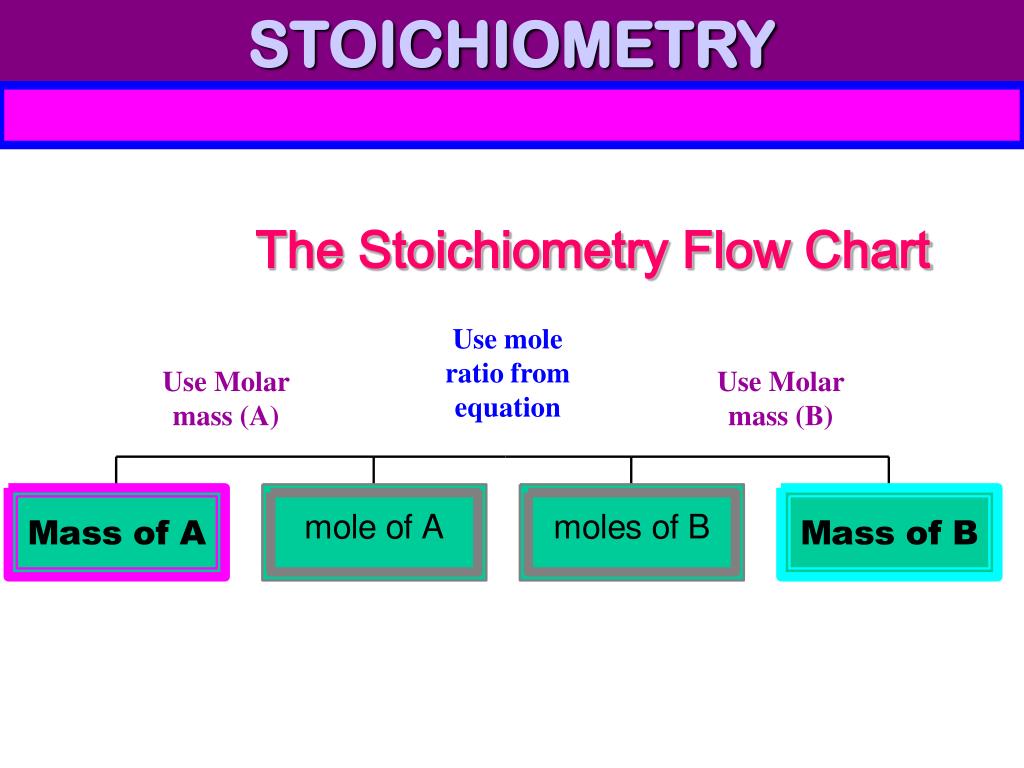
PPT STOICHIOMETRY PowerPoint Presentation, free download ID4499255
Web Stoichiometry, Flow Chart, Moles To Mass Conversion.
Web Outline Of Stoichiometry Of Chemical Reactions.
You Can Easily Edit This Template Using Creately.
Web Flow Chart For Solving Stoichiometry Problems:
Related Post:
