Printable Glycemic Load Chart
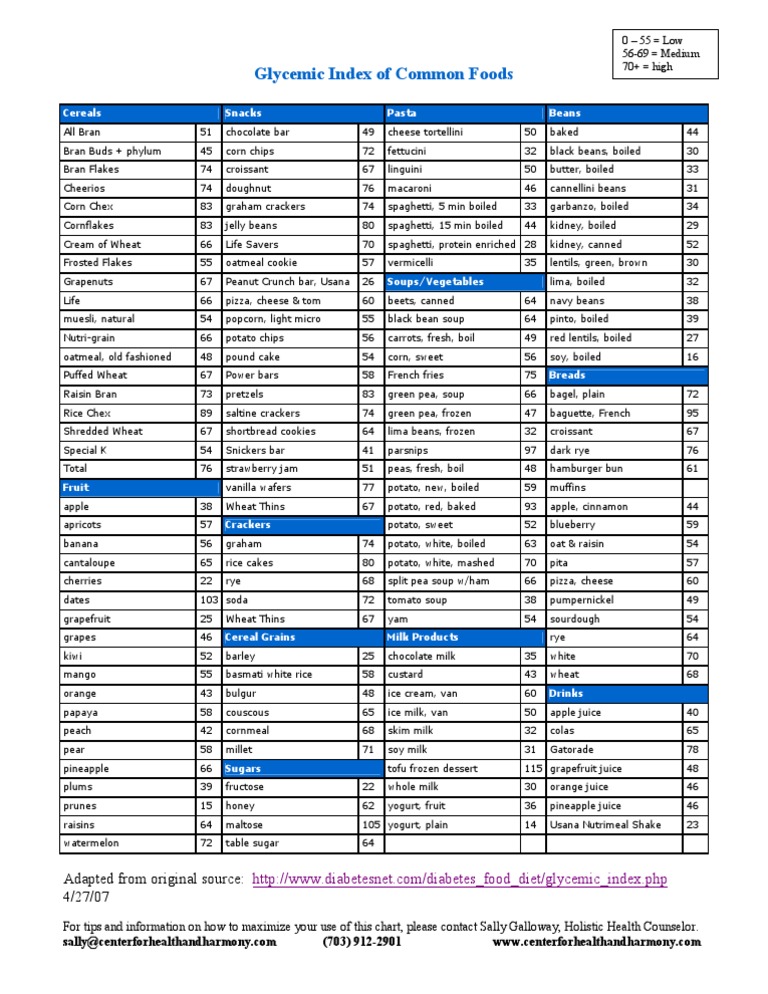
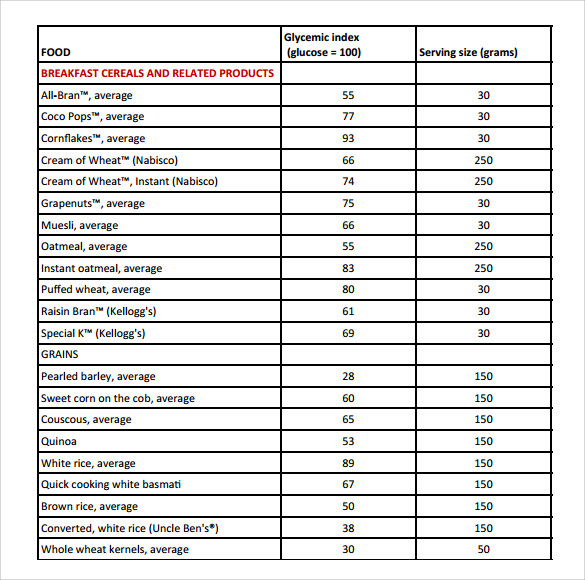
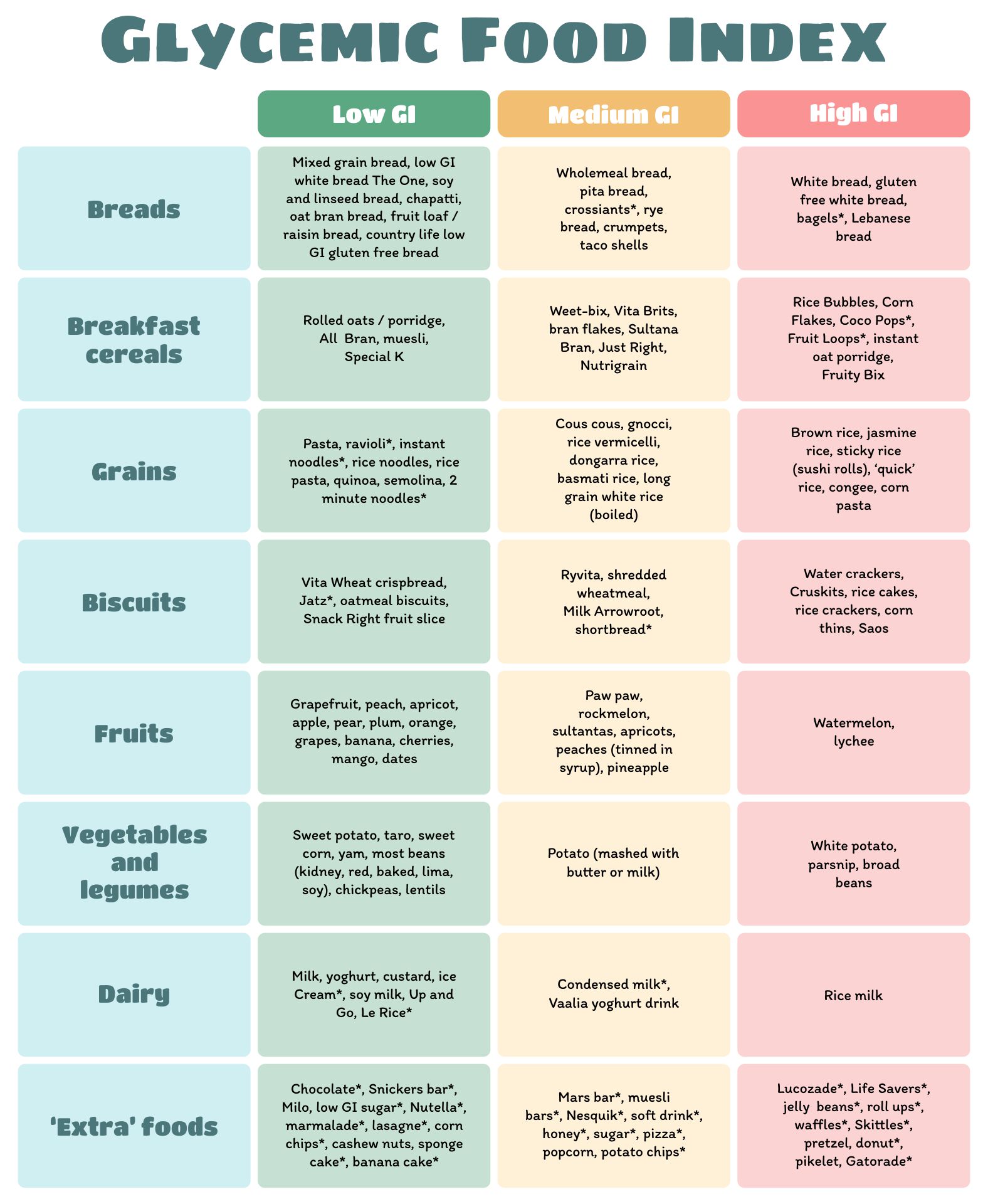
Printable Glycemic Load Chart - Reliable tables of glycemic indexes (gis) and glycemic loads (gls) are critical to research examining the relationship between glycemic qualities of carbohydrate in foods, diets, and health. The gi of apples was 34% of the glucose gi. Web this page provides a comprehensive gi index chart and their corresponding glycemic index and glycemic load values for easy reference. For instance a food with a glycemic index of 30 doesn’t raise the blood glucose that much at all , but gi doesn’t consider how big the serving size is or how much you eat. The glycemic load (gl) adds the amount of carbohydrate (quantity) into the. Eating foods with a lower gi may result in a more gradual rise in your blood sugar level. Low gi (55 or less) choose most often. Web the glycemic index is a system of ranking foods on a scale of 0 to 100 according to how high blood glucose peaks within two hours of consuming the specific food. Foods with a higher gi value are more likely to spike your blood sugar than foods with a lower gi. Web glycemic index (gi) is an objective way of measuring this effect. The glycemic load (gl) is a relatively new way to assess the impact of carbohydrate consumption on the rise of blood sugar in the body. A low gi is a sign of better quality. Save these to your desktop or pinterest, or you can print them for later reference. The glycemic load (gl) adds the amount of carbohydrate (quantity) into the. Web glycemic load is calculated by multiplying the glycemic index of a food by the grams of carbohydrates in a standard serving, then dividing that number by 100. Web the glycemic index chart below uses a scale of 1 to 100 for glycemic index and 1 to 50 for glycemic load values, glucose having the highest gi value of 100 and gl of 50. Web what are the glycemic index and glycemic load of your favorite foods? Blood glucose is most stable when foods you eat have a glycemic index less than 50%. Reliable tables of glycemic indexes (gis) and glycemic loads (gls) are critical to research examining the relationship between glycemic qualities of carbohydrate in foods, diets, and health. Standard gl levels, per cassie. There are three gi categories: Web glycemic index (gi) is an objective way of measuring this effect. Standard gl levels, per cassie. In the 12 years since the last edition of the tables, a large amount of new data has become available. Folks trying to manage blood sugar, lose weight, or just aiming for a healthier diet often find navigating. The red are high glycemic load foods. It is a sign of the quality of carbohydrates in the food. Keep this chart bookmarked in your browser for easy reference. For instance a food with a glycemic index of 30 doesn’t raise the blood glucose that much at all , but gi doesn’t consider how big the serving size is or. Web the glycemic index, or gi, uses a scale of numbers from 1 to 100 to rank carbohydrate foods by how quickly a serving size of each raises blood sugar. Web the chart on page 1 shows that: Web to help you understand how the foods you are eating might impact your blood glucose level, here is an abbreviated chart. In the 12 years since the last edition of the tables, a large amount of new data has become available. Web glycemic load is calculated by multiplying the glycemic index of a food by the grams of carbohydrates in a standard serving, then dividing that number by 100. Standard gl levels, per cassie. Web see 29 low glycemic fruits &. Web see 29 low glycemic fruits & fruits high in sugar + glycemic load & nutrition info charted in an interactive table with printable download. Web what are the glycemic index and glycemic load of your favorite foods? Medium gi (56 to 69) choose less often. Web below are downloadable glycemic load food lists. In the 12 years since the. It gives a fuller picture than gi alone. The green category are low glycemic load foods. Food or drink by how muchit raises blood sugar levels a. Keep this chart bookmarked in your browser for easy reference. Web to help you understand how the foods you are eating might impact your blood glucose level, here is an abbreviated chart of. Web glycemic index (gi) is an objective way of measuring this effect. Folks trying to manage blood sugar, lose weight, or just aiming for a healthier diet often find navigating food choices tricky. Crease blood sugar higherand faster. Web see 29 low glycemic fruits & fruits high in sugar + glycemic load & nutrition info charted in an interactive table. This article explains the glycemic index and how it works. Crease blood sugar higherand faster. Web to help you understand how the foods you are eating might impact your blood glucose level, here is an abbreviated chart of the glycemic index and glycemic load, per serving, for more than 100 common foods. The gi of white rice was 75% of. The glycemic load (gl) is a relatively new way to assess the impact of carbohydrate consumption on the rise of blood sugar in the body. The gi of apples was 34% of the glucose gi. The gi of white rice was 75% of the glucose gi. Web after reading about the glycemic index and glycemic load you must have been. The glycemic load (gl) adds the amount of carbohydrate (quantity) into the. Crease blood sugar higherand faster. Web the chart on page 1 shows that: The gi of white rice was 75% of the glucose gi. Save these to your desktop or pinterest, or you can print them for later reference. Reliable tables of glycemic indexes (gis) and glycemic loads (gls) are critical to research examining the relationship between glycemic qualities of carbohydrate in foods, diets, and health. Medium gi (56 to 69) choose less often. It is a sign of the quality of carbohydrates in the food. Web below are downloadable glycemic load food lists. Web the chart on page 1 shows that: Web complete up to date table of glycemic index values collected from all available studies. Standard gl levels, per cassie. Foods are categorized as low gi (55 or less), medium gi (56 to 69) and high gi (70 or more). Web the glycemic index is a system of ranking foods on a scale of 0 to 100 according to how high blood glucose peaks within two hours of consuming the specific food. Red = stop and think. Web the glycemic index chart below uses a scale of 1 to 100 for glycemic index and 1 to 50 for glycemic load values, glucose having the highest gi value of 100 and gl of 50. Web the glycemic index, or gi, uses a scale of numbers from 1 to 100 to rank carbohydrate foods by how quickly a serving size of each raises blood sugar. This whole health tool defines glycemic index and glycemic load and explains how they can be used. Eating foods with a lower gi may result in a more gradual rise in your blood sugar level. The glycemic load (gl) is a relatively new way to assess the impact of carbohydrate consumption on the rise of blood sugar in the body. Web food vegetables (starchy) legumes whole grains fruit dairy & alternatives butternut squash (cubed) plantain potato (purple, red, sweet, yellow) parsnip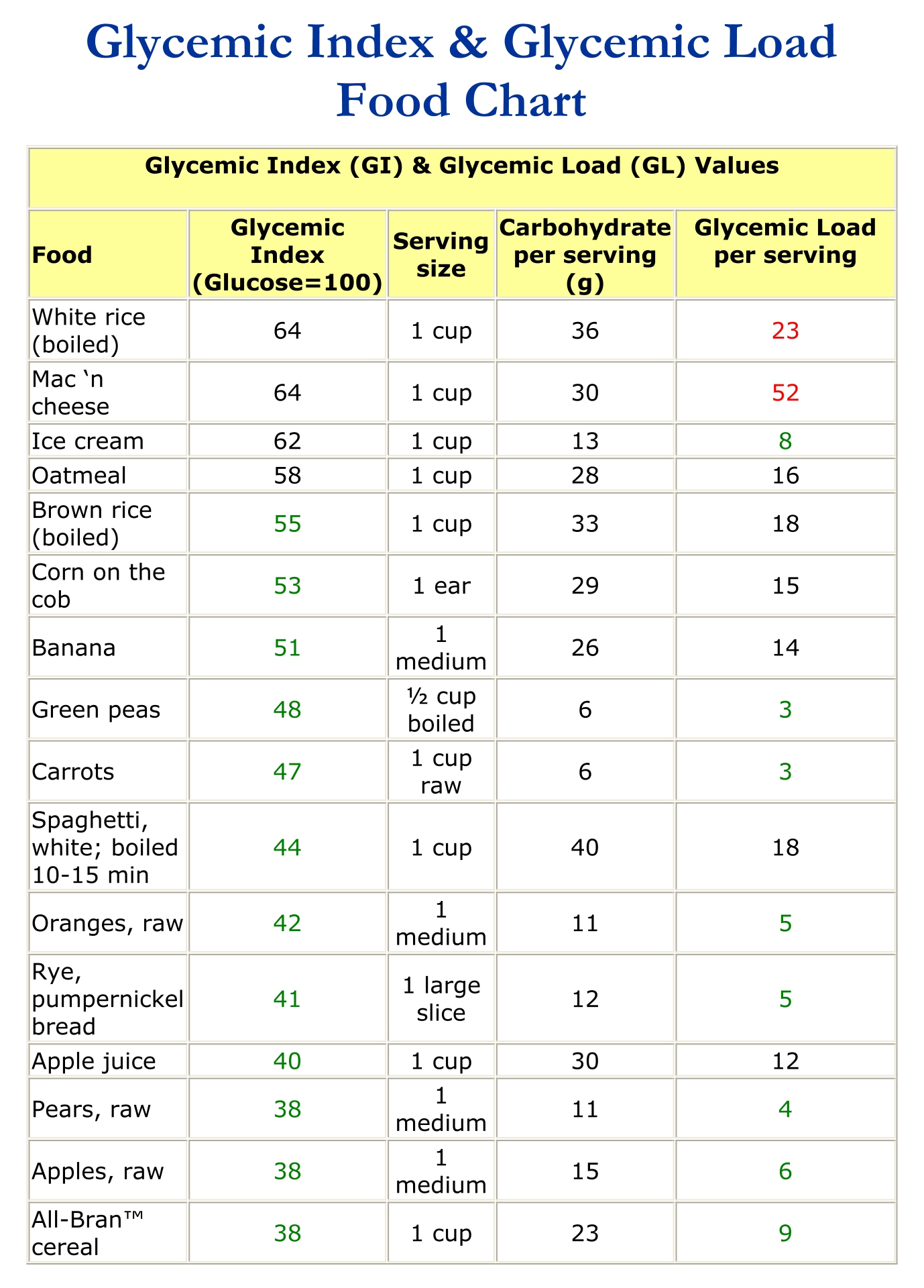
GI Of Food Chart 20 Free PDF Printables Printablee

Printable Glycemic Index And Load Chart Pdf
FREE 7+ Sample Glycemic Index Chart Templates in PDF
Printable Glycemic Index And Load Chart Pdf
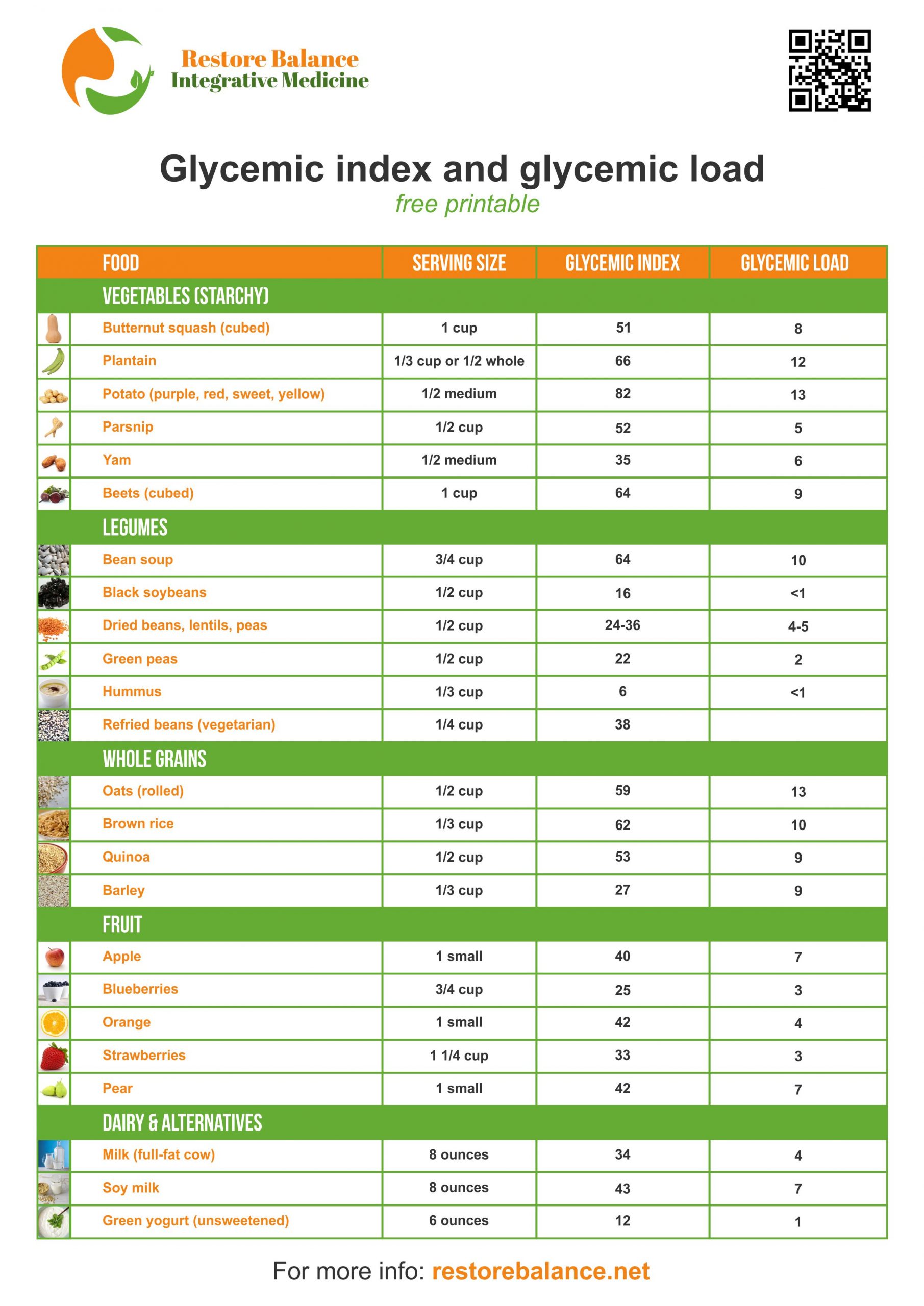
Glycemic index and glycemic load free printable Restore Balance

Glycemic Index Load Chart Free Download
Printable Glycemic Load Chart
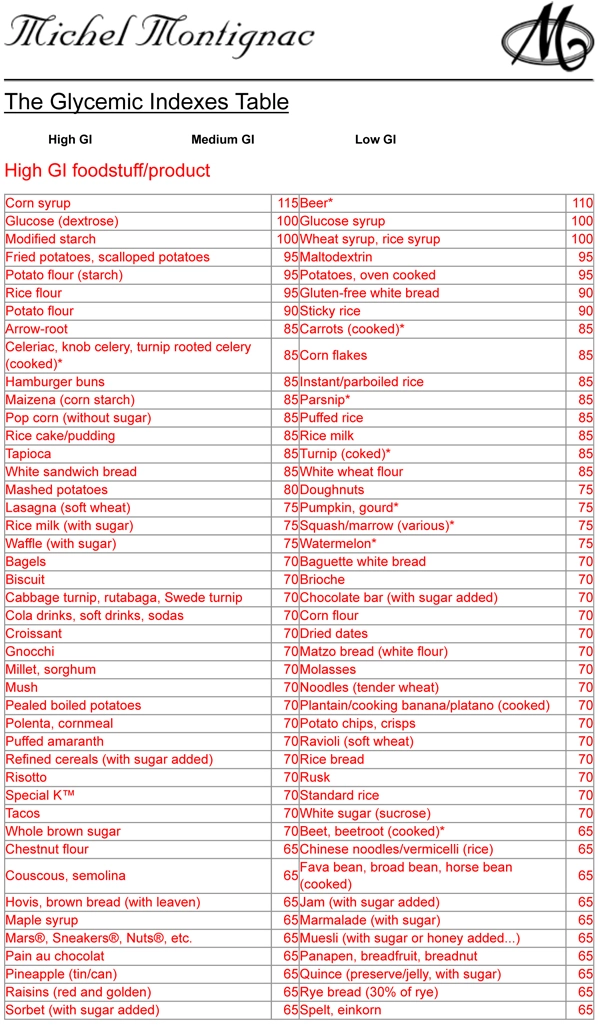
Printable Glycemic Chart
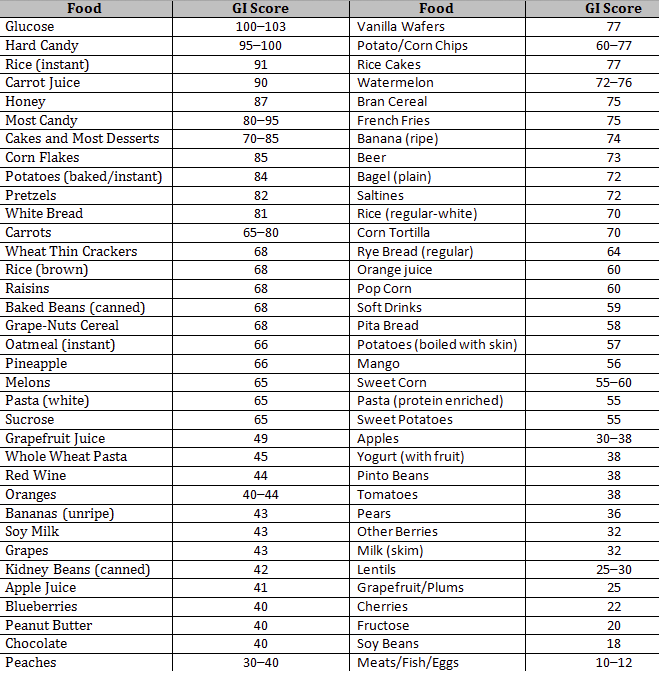
Printable Glycemic Load Chart
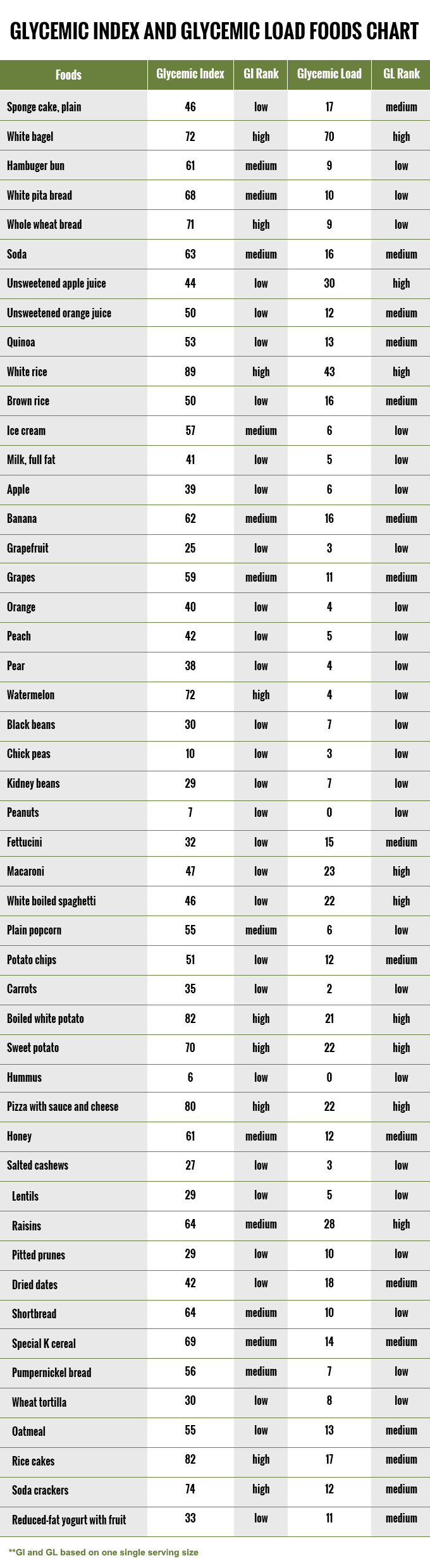
Glycemic Index and Glycemic Load Food chart
Web To Help You Understand How The Foods You Are Eating Might Impact Your Blood Glucose Level, Here Is An Abbreviated Chart Of The Glycemic Index And Glycemic Load, Per Serving, For More Than 100 Common Foods.
Folks Trying To Manage Blood Sugar, Lose Weight, Or Just Aiming For A Healthier Diet Often Find Navigating Food Choices Tricky.
The Yellow Are Medium Glycemic Load Foods.
For Instance A Food With A Glycemic Index Of 30 Doesn’t Raise The Blood Glucose That Much At All , But Gi Doesn’t Consider How Big The Serving Size Is Or How Much You Eat.
Related Post: