
Pomegranate Ripening Chart
Pomegranate Ripening Chart - Look for pomegranates that are heavy for their size and have a deep, rich color. Skin tone pomegranates vary in color from light to dark red. Unfortunately, a pomegranate’s color doesn’t tend to change when ripe. Let’s take a closer look so you know what. Please consult with your field reps for healthy start trees’ current availability and pricing. We cover the specific characteristics for harvesting this fruit. Web pomegranates with sides that are slightly flat are riper because the ripe seeds inside exert pressure, causing the pomegranate sides to flatten. Shape the ripest pomegranates aren't shaped like balls. Are you ready to maximize your pomegranate experience? A ripe pomegranate’s skin should be soft enough to leave a scratch. Please consult with your field reps for healthy start trees’ current availability and pricing. Snatch the pomegranate that is dark in color. Web the first step to ripening a pomegranate at home is to choose the right fruit. Let us teach you what you need to know about eating pomegranates at their peak. Shape, skin tone, and weight. Let’s take a closer look so you know what. Are you ready to maximize your pomegranate experience? Web learn more about how to tell if a pomegranate is ripe based on its skin appearance and texture. Feel for any soft spots on the surface of the fruit; This indicates that the fruit is ripe and ready to be enjoyed. Web a ripe pomegranate should have more flattened, angular sides rather than a uniformly spherical shape. Web when checking to see if a pomegranate is ripe, you should gently touch its skin. Oct 5, 2015 · modified: Shape the ripest pomegranates aren't shaped like balls. The sides will flatten, as well, creating a lumpy and roughly hexagonal look. Wondering if the pomegranate you just purchased from the store is ripe and ready to eat? To find a perfectly ripe pomegranate, there are a number of factors to look for, starting with its shape. Web a ripe pomegranate will be slightly flattened at top and bottom. Web pomegranates come in several varieties, each with distinct traits that can influence. Web the first step to ripening a pomegranate at home is to choose the right fruit. If it has a matte finish with a rough rind then it is likely ripe. They do not continue to ripen after harvest, so it’s important to pick the fruits only after they are ripe. Web early pomegranate varieties are greatly appreciated in the. (1) color, (2) shape, (3) weight, (4) sound, and (5) texture. That said, it is kind of important, along with the following: Web the top way to tell when a pomegranate is ripe. There is a ripeness test by word of mouth that you may want to try. Web look for three cues to tell if a pomegranate is ripe: Web when checking to see if a pomegranate is ripe, you should gently touch its skin. Take the ones that are heavy in weight. Web you’re going to wait months for your pomegranates to ripen, so you should equip yourself with the knowledge you need to know when they’re ready to be picked. The sides will flatten, as well, creating. Web the top way to tell when a pomegranate is ripe. (1) color, (2) shape, (3) weight, (4) sound, and (5) texture. Web a ripe pomegranate should be round and plump, with no visible signs of shriveling or browning. We cover the specific characteristics for harvesting this fruit. Read on to find out exactly how to tell if a pomegranate. The color of a ripe pomegranate should range from medium red to dark red. Web a ripe pomegranate will be slightly flattened at top and bottom. (1) color, (2) shape, (3) weight, (4) sound, and (5) texture. We’ll also look at how to increase the shelf life with the best storage techniques. Web a ripe pomegranate should have more flattened,. The color of a ripe pomegranate should range from medium red to dark red. Web look for three cues to tell if a pomegranate is ripe: Web a ripe pomegranate will be slightly flattened at top and bottom. Web how to tell if a pomegranate is ripe. Pomegranates need heat during the ripening period for proper development of color. Web a ripe pomegranate should be round and plump, with no visible signs of shriveling or browning. The color of a ripe pomegranate should range from medium red to dark red. Web early pomegranate varieties are greatly appreciated in the home orchard for accelerating the delicious harvest season, but they are valuable for another reason as well: Take the ones. Grab any fruit that has a more square shape. Pomegranates are generally ready for harvest about 6 to 7 months after blossoming. We cover the specific characteristics for harvesting this fruit. These are indicators that it is ready to be eaten or juiced. Read on to find out exactly how to tell if a pomegranate is ripe, how to harvest. The skin should also be free of any cuts, bruises, or blemishes, which can indicate that the fruit is past its prime. These are indicators that it is ready to be eaten or juiced. Most pomegranate fruit ripens from six to seven months after flowering. Pluck the pomegranates that sound dense. In addition, feel free to download my free chart here, pomegranate storage chart, that you can print out and put up on your fridge for future reference. Take the ones that are heavy in weight. The sides will flatten, as well, creating a lumpy and roughly hexagonal look. Read on to find out exactly how to tell if a pomegranate is ripe, how to harvest them, and how to preserve your extras. Web you can tell if a pomegranate is ripe by looking for a more angular shape, a skin that is taut and starting to show signs of cracking, and a fruit that feels heavy. Web early pomegranate varieties are greatly appreciated in the home orchard for accelerating the delicious harvest season, but they are valuable for another reason as well: Shape, skin tone, and weight. That said, it is kind of important, along with the following: If it has a matte finish with a rough rind then it is likely ripe. Feel for any soft spots on the surface of the fruit; We cover the specific characteristics for harvesting this fruit. Web pomegranates with sides that are slightly flat are riper because the ripe seeds inside exert pressure, causing the pomegranate sides to flatten.
Ripening Charts — Three Springs Fruit Farm
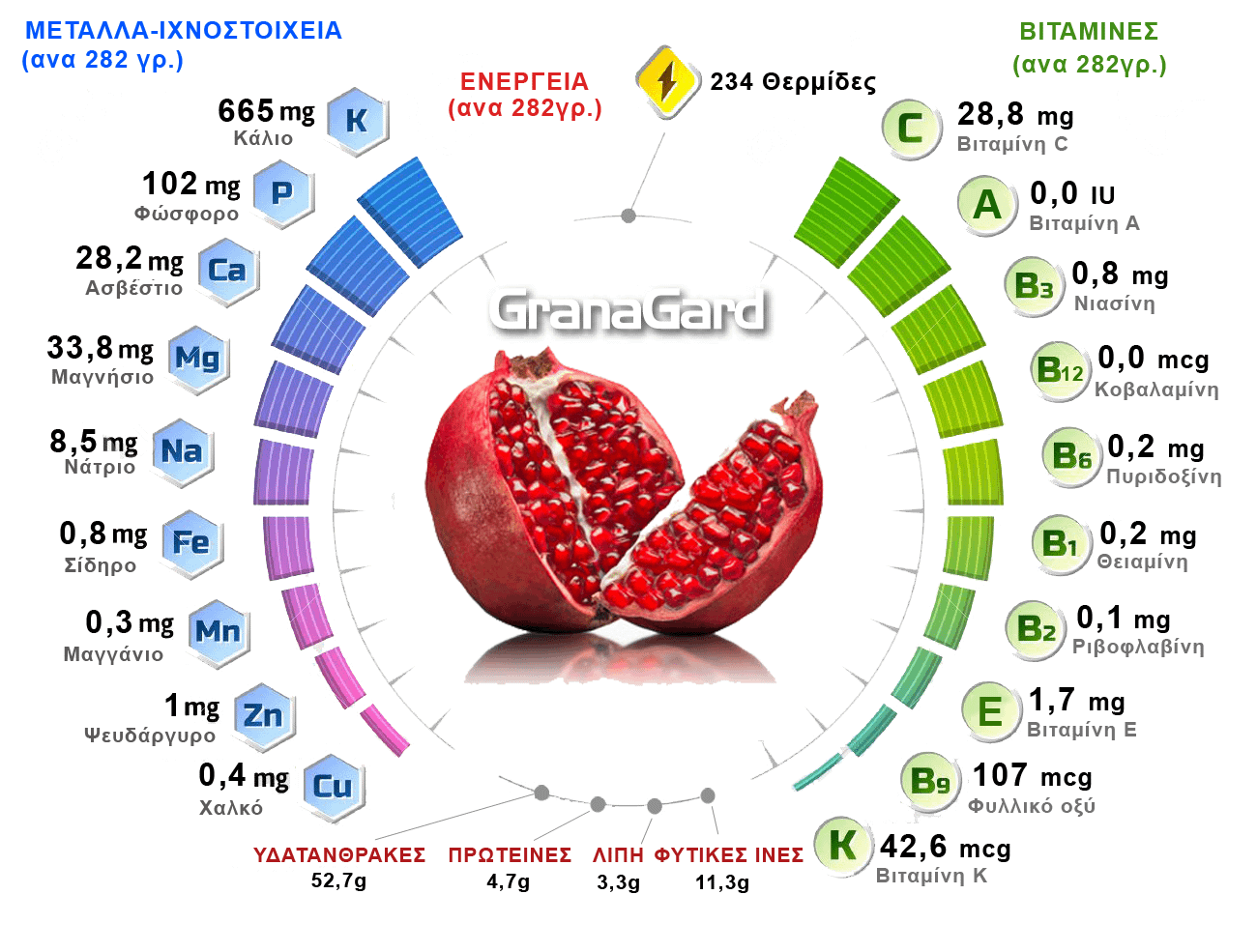
pomegranatenutrients GranaGard

Pomegranate constituents studied in the present work a) whole fruit

“Candy” of the month Pumpkin cranberry, Candy, Pomegranate

Fig. 6 Flower and fruit of two pomegranate accessions, P.G.13536 and P
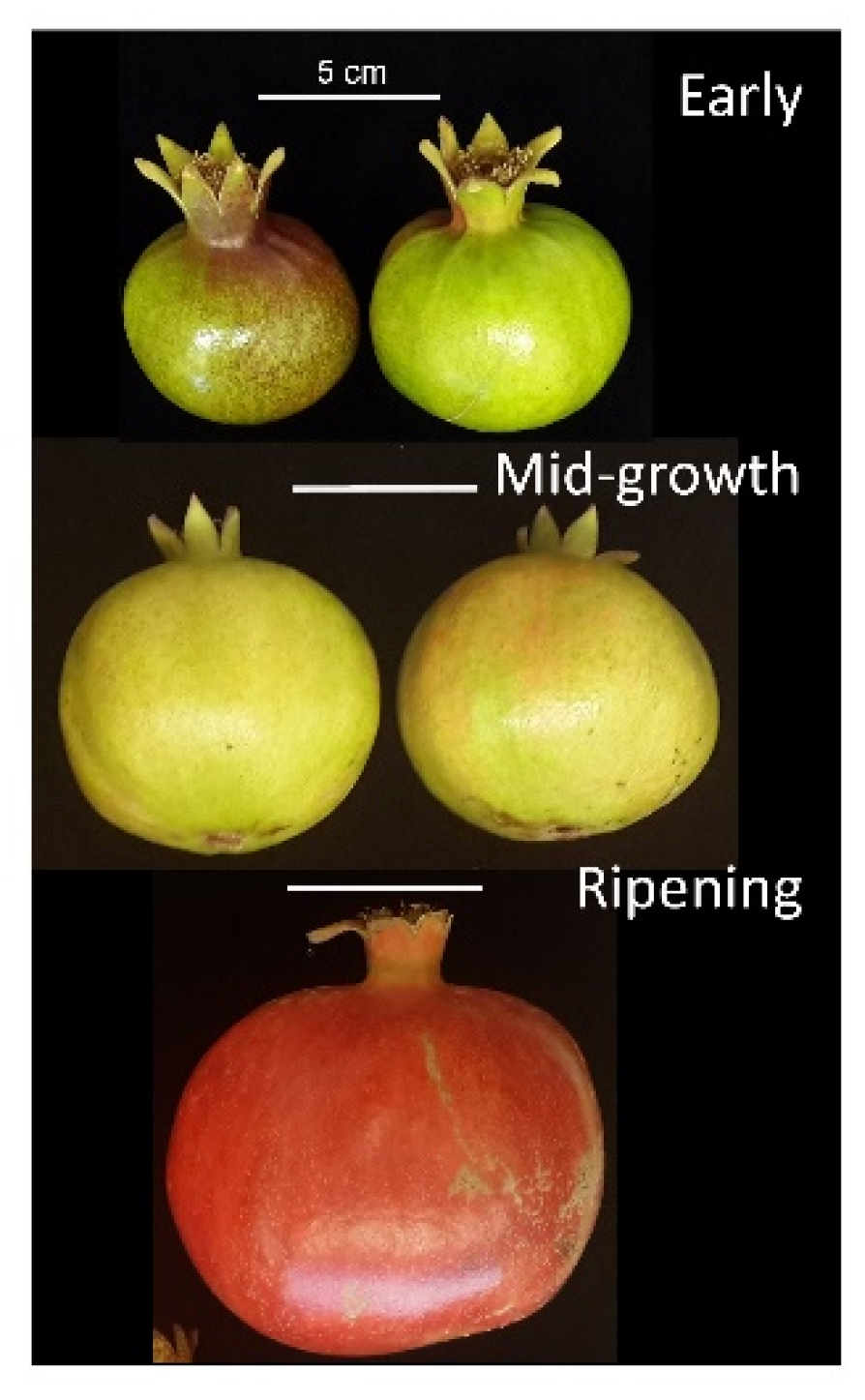
Cells Free FullText Ripening of Pomegranate Skin as Revealed by

Fruit Tree Harvest Chart in 2022 Fruit trees, Trees to plant, Plant
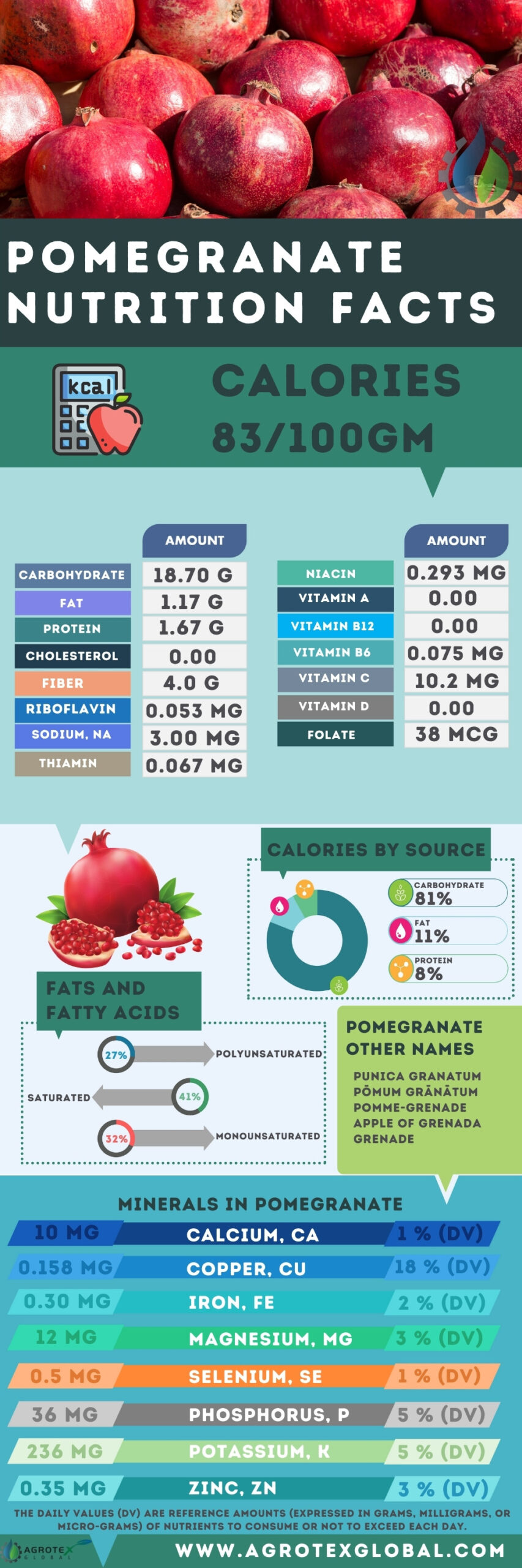
Pomegranate

Peel colour of different mexican pomegranate varieties (P. granatum
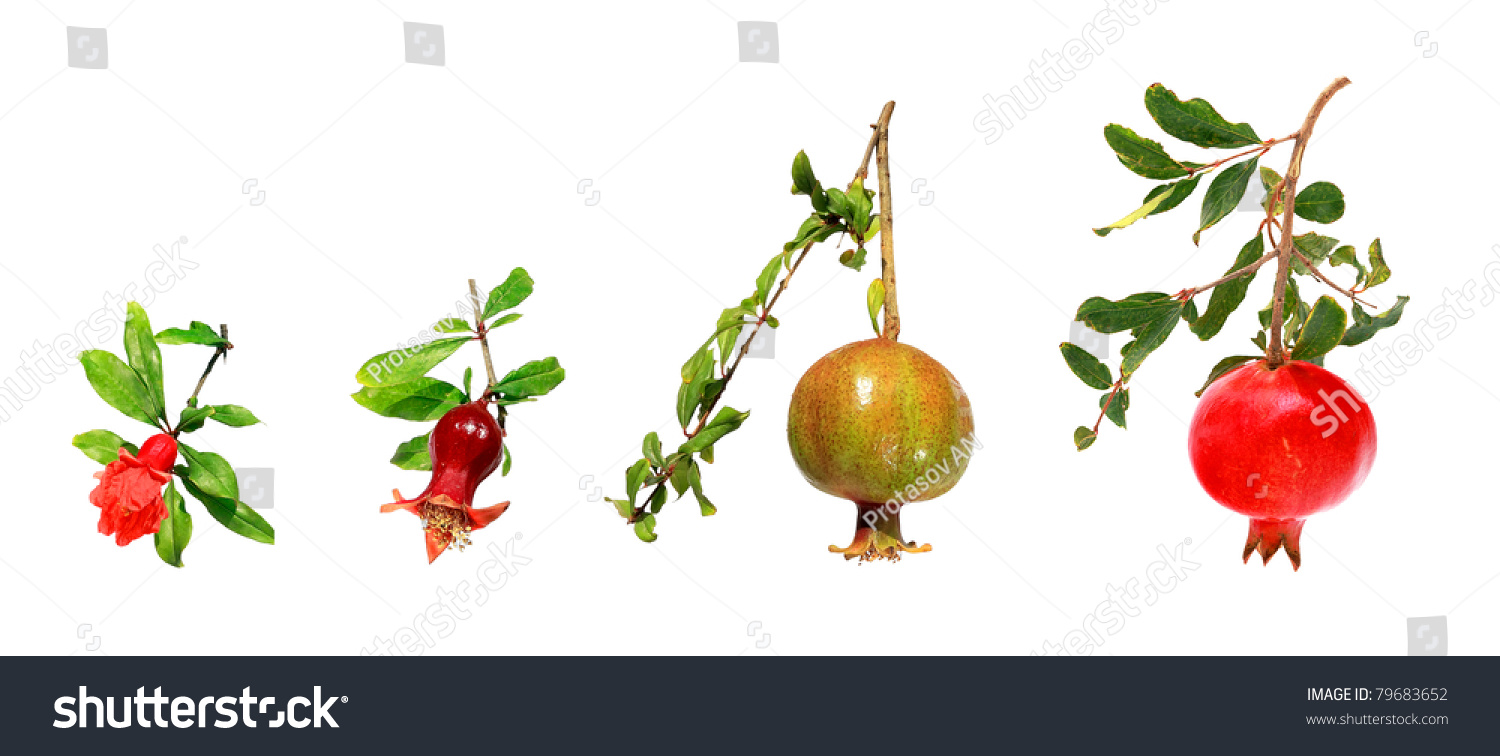
Stages Development Pomegranate From Flower Ripe Stock Photo 79683652
Finding A Ripe Pomegranate Takes More Than Just Picking The One With The Prettiest Color.
Pomegranates Are Generally Ready For Harvest About 6 To 7 Months After Blossoming.
Snatch The Pomegranate That Is Dark In Color.
Burchell Nursery Provides Its Customers With The Utmost Planting Flexibility By Offering Most Varieties As Ready Start® Potted Trees.
Related Post: