
Orchid Root Color Chart
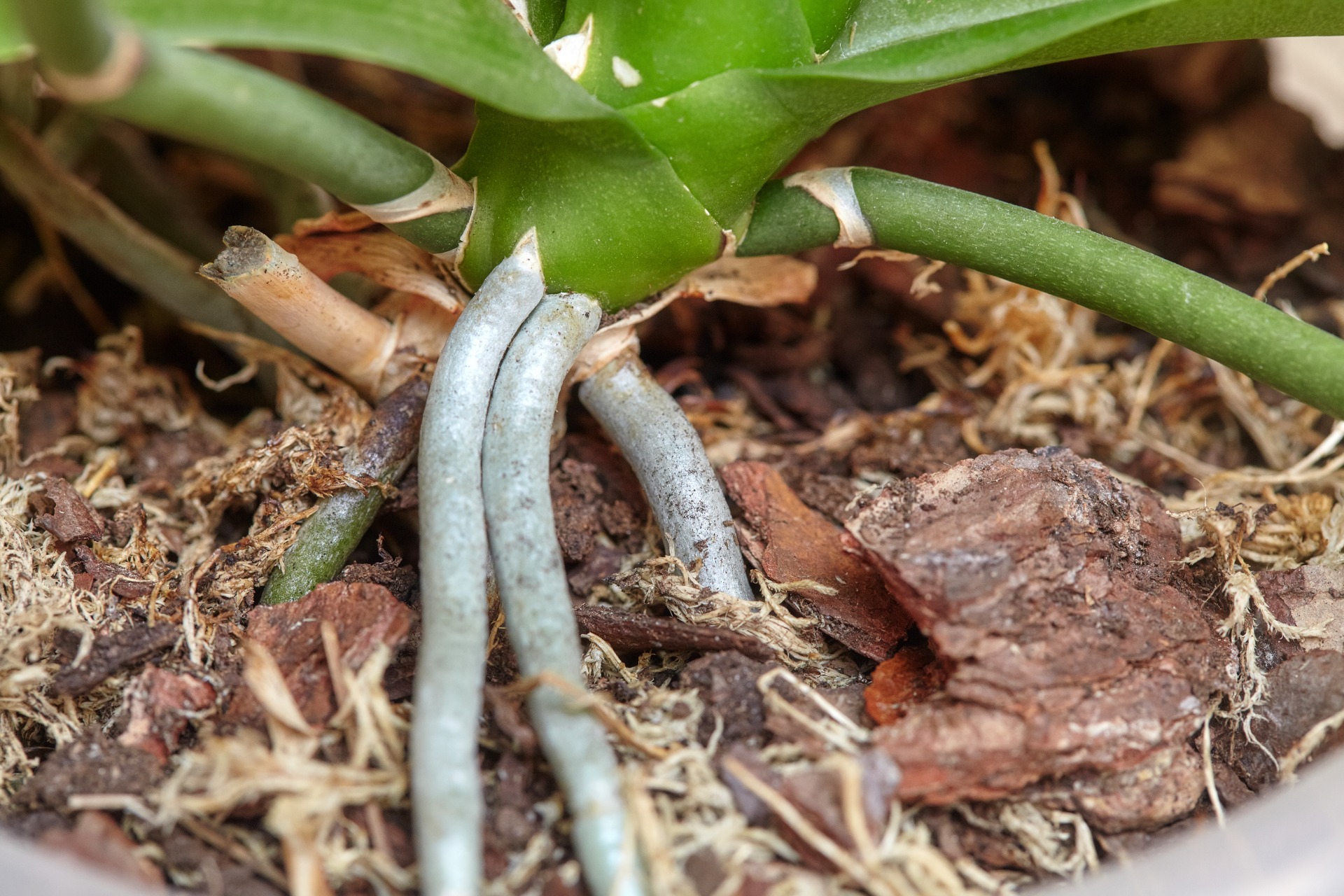
Orchid Root Color Chart - Find out what healthy roots look like compared to unhealthy roots, and what to do if you have root problems. Most orchids are epiphytes, which are plants that grow on other plants. Sometimes, the name of the grower is replaced form the genus of the orchid, so most new orchid hobbyist won’t know which orchid they have. Specifically, orchid is a purple color with tones of blue, pink, and grey and is a result of mixing red and blue with white and black. They will be green (or occasionally red) at the tips. The covering (velamen) will usually be white or silvery and feel spongy. What should i do with them? Web while roots may be many colors, the true way to distinguish between a healthy and a not healthy root is to squeeze it. They aren’t parasites that draw nutrients or water from the host plant, however. The short table is not enough for sure. Sometimes, the name of the grower is replaced form the genus of the orchid, so most new orchid hobbyist won’t know which orchid they have. In this video, i talk about the 5 most common orchids for beginners. If the root is hollow (which means that the velamen rotted away), then it is dead and may be removed. For visual reference, here’s a chart with all the american orchids. What are these growths and why are they here? Web the following chart will help you have a quick idea of the problems and reasons your orchid roots are turning brown. In fact, they should only be bright green right after they are watered. Web healthy orchid plant roots may vary in length, width, and number per plant, but they all share certain key characteristics: Longer tips indicate actively growing roots. And you need to learn the fact properly. Web keep reading for a chart and information that breaks down the classification of orchids to make it easier for you to identify your favorite orchids. Possible causes behind orchid roots turning brown? Web there are many different types of orchids, all of which have big, beautiful blooms. Phal roots, when healthy and moist, are a nice green color, like. Web while roots may be many colors, the true way to distinguish between a healthy and a not healthy root is to squeeze it. Web the following chart will help you have a quick idea of the problems and reasons your orchid roots are turning brown. Specifically, orchid is a purple color with tones of blue, pink, and grey and. Some orchids have blooms that range from very soft or pale pink to a very deep magenta or rose color. In fact, they should only be bright green right after they are watered. Most orchids are epiphytes, which are plants that grow on other plants. Note that this doesn’t have every single orchid type, just the american ones. Sometimes, the. If the root is hollow (which means that the velamen rotted away), then it is dead and may be removed. Web learn about the different colors and types of orchid roots you may come across when repotting or caring for your orchid. There are initially, several reasons why orchid roots may turn brown. Web how can you tell if your. What are these growths and why are they here? Web while roots may be many colors, the true way to distinguish between a healthy and a not healthy root is to squeeze it. Possible causes behind orchid roots turning brown? Root tip colors also vary with species, ranging from green to pink to orange to purple. In this article, flower. Orchid roots do not need to be bright green all of the time. Web keep reading for a chart and information that breaks down the classification of orchids to make it easier for you to identify your favorite orchids. Web learn about 10 orchid flower colors, including blue, red, brown, and black, the types of orchids that produce them, and. There are initially, several reasons why orchid roots may turn brown. Web healthy roots are firm to the touch and white to green in color. A yellow root that is plump, firm to the touch, and resistant to bending should be kept intact. Web each orchid colour, from the passionate red to the joyful yellow carries unique messages and emotions.. When it grows, a protective substance covers it and gives it a white or silver color. Web learn about 10 orchid flower colors, including blue, red, brown, and black, the types of orchids that produce them, and what they mean. They will be green (or occasionally red) at the tips. Web orchid colors derive from the beautiful shades seen in. In fact, they should only be bright green right after they are watered. Orchid roots do not need to be bright green all of the time. Web orchid colors derive from the beautiful shades seen in orchid flowers and can range from soft pastels to vibrant jewel tones. Note that this doesn’t have every single orchid type, just the american. Note that this doesn’t have every single orchid type, just the american ones. Specifically, orchid is a purple color with tones of blue, pink, and grey and is a result of mixing red and blue with white and black. You will notice that the roots change color to a vibrant green when wet. Web healthy roots are firm to the. And you need to learn the fact properly. This yellow color looks like parmesan cheese, sugar cookie, pancake, sandcastle, and eggnog coloring. The cattleya orchids are some of the most popular types used in corsages because they are varying shades of pink. Web the following chart will help you have a quick idea of the problems and reasons your orchid roots are turning brown. When you repot, you have two options to position the healthy yellow orchid roots: Web how can you tell if your phalaenopsis is dry? Web learn about the different colors and types of orchid roots you may come across when repotting or caring for your orchid. Whether you are celebrating a milestone, expressing admiration, or simply bringing beauty into your home, choosing the right orchid colour is important. Web healthy roots are firm to the touch and white to green in color. Web first i’ll take a moment to show you what roots look like on the most common orchid, the phalaenopsis (aka moth orchid). Web keep reading for a chart and information that breaks down the classification of orchids to make it easier for you to identify your favorite orchids. What are these growths and why are they here? Web there are many different types of orchids, all of which have big, beautiful blooms. Possible causes behind orchid roots turning brown? Some orchids have blooms that range from very soft or pale pink to a very deep magenta or rose color. Web shades of pink.
Orchid Root Color Chart
Orchid Root Color Chart
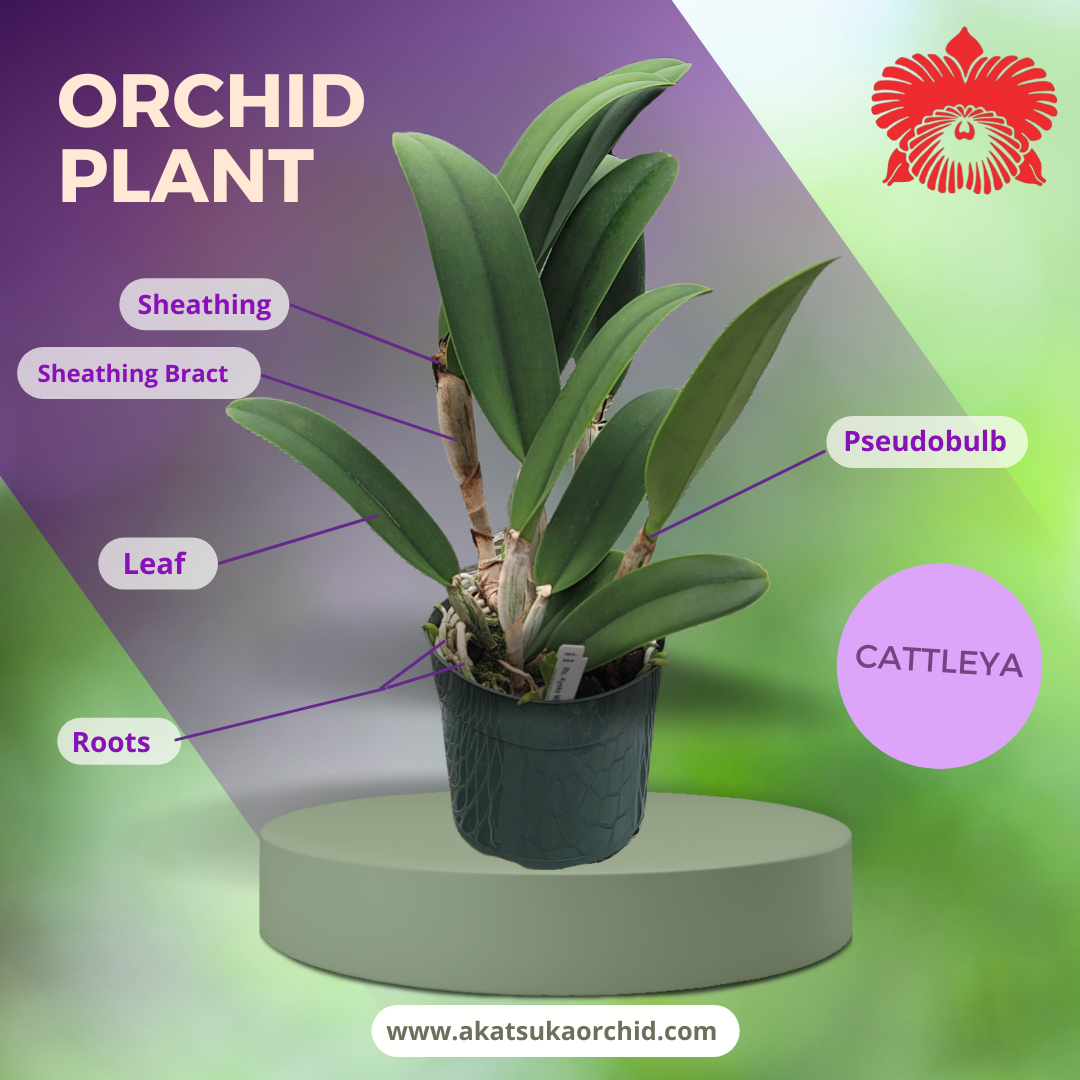
Orchid Anatomy Plant Parts and Terminology Akatsuka Orchid Gardens

Orchid Root Color Chart

Orchid Root Color Chart

Orchid Root Color Chart

Orchid Root Color Chart

Learn about the different colors and types of orchid roots you may come

Learn about the different colors and types of orchid roots you may come
Orchid Root Color Chart
Web Learn How To Care For Orchids By Understanding The Colors Of Their Roots, With Tips And Insights Shared On Steemit.
Web Healthy Orchid Plant Roots May Vary In Length, Width, And Number Per Plant, But They All Share Certain Key Characteristics:
North America, South America, Central America, Europe, Asia, Africa, Australia, Caribbean.
Web Orchid Colors Derive From The Beautiful Shades Seen In Orchid Flowers And Can Range From Soft Pastels To Vibrant Jewel Tones.
Related Post: