
Minor Key Signatures Chart
Minor Key Signatures Chart - Web while there are three minor scales, minor keys and minor key signatures are always identified as simply “minor” (“a minor,” “d minor,” etc.) and are based on the natural minor scale. However, in a minor, which shares the same key signature (no sharps or flats), the most imortant note is a. This small chart will help you to remember the relationship between relative major and minor keys: Since the \(\text{c}\) natural minor scale had \(\text{e}^♭\) , \(\text{a}^♭\) , and \(\text{b}^♭\) , the key signature of c minor has three flats, written in the order of flats— \(\text{b}^♭\) , \(\text{e}^♭\) ,. Web a key signature with a major key. Because of this we refer to them as the relative minor. Web download pdf for the key signature chart. To determine the key signature of a particular minor key, count up a minor third to its relative major, which shares the same key signature. Web we can put this relationship in general terms, too: Web trying to remember each note in every key can be a difficult task. These sharps and flats affect all the subsequent notes on their line or space, dictating whether the note should be played as a flat or a sharp. Web in our key signature guide, learn these easy memorization tips for major and minor keys, as well as key signature charts for reference. There are 15 major keys based off the major scale, and 15 minor keys based off the natural minor scale. What is a key signature? Covers treble, bass, alto and tenor clef. As you study it you’ll quickly learn its patterns and discover that it’s not nearly as difficult as it seems at first glance. Web we can put this relationship in general terms, too: This minor key is called the relative minor of the major key. Web these are written on a musical staff to identify the key. Major and minor keys that share the same key signature are called relative keys. In this chapter we will discuss how a minor key is constructed and established as well as how minor key signatures are written and used. It’s written with increasing sharps and flats. With this easy to read chart you won’t have to worry about it anymore. Web in our key signature guide, learn these easy memorization tips for major and. Web this key signature chart is designed to help you learn all the key signatures easily. These sharps and flats affect all the subsequent notes on their line or space, dictating whether the note should be played as a flat or a sharp. Web these are written on a musical staff to identify the key. This small chart will help. For example, both c major and a minor have zero sharps or flats. It also contains the major scale and releative minor scale for each key. Web equipped with everything you’ve learned in this ultimate guide to minor keys, listen and deepen your enjoyment of your favourite minor key songs, as you pick out the tonic minor chord, the scales. What is a key signature? Web chapter 3 minor scales and key signatures. It’s written with increasing sharps and flats. As you study it you’ll quickly learn its patterns and discover that it’s not nearly as difficult as it seems at first glance. This key signature has 3 sharps (c♯ f♯ g♯), making it either a major or f♯ minor. To determine the key signature of a particular minor key, count up a minor third to its relative major, which shares the same key signature. Because of this we refer to them as the relative minor. C major a minor none {& #?# g major e minor f♯ {& ##?## d major b minor f♯, c♯ {& ###?### a major. Web these are written on a musical staff to identify the key. The name of the key, such as c major, tells us that c is the most important pitch in that key. Each key signautre is clearly labled with the number of sharps and flats for each scale. This minor key is called the relative minor of the major. C major a minor none {& #?# g major e minor f♯ {& ##?## d major b minor f♯, c♯ {& ###?### a major f♯ minor f♯, c♯, g♯ Web minor key signatures can likewise be derived from the accidentals of the corresponding diatonic minor scale. Since the \(\text{c}\) natural minor scale had \(\text{e}^♭\) , \(\text{a}^♭\) , and \(\text{b}^♭\) ,. Web these are written on a musical staff to identify the key. For example, e minor is the relative minor of g major, they have the same key signature because e minor and g major have the same relative keys. A key signature is the combination of sharps and flats directly following the clef at the beginning of a stave.. C major a minor none {& #?# g major e minor f♯ {& ##?## d major b minor f♯, c♯ {& ###?### a major f♯ minor f♯, c♯, g♯ This minor key is called the relative minor of the major key. Because of this we refer to them as the relative minor. Since the \(\text{c}\) natural minor scale had \(\text{e}^♭\). There are 15 major keys based off the major scale, and 15 minor keys based off the natural minor scale. A key signature is the combination of sharps and flats directly following the clef at the beginning of a stave. To determine the key signature of a particular minor key, count up a minor third to its relative major, which. Web a key signature with a major key. This minor key is called the relative minor of the major key. A key signature is the combination of sharps and flats directly following the clef at the beginning of a stave. Since the \(\text{c}\) natural minor scale had \(\text{e}^♭\) , \(\text{a}^♭\) , and \(\text{b}^♭\) , the key signature of c minor has three flats, written in the order of flats— \(\text{b}^♭\) , \(\text{e}^♭\) ,. As you study it you’ll quickly learn its patterns and discover that it’s not nearly as difficult as it seems at first glance. Web chapter 3 minor scales and key signatures. Web key signature chart key signature major key minor key no. Web in our key signature guide, learn these easy memorization tips for major and minor keys, as well as key signature charts for reference. Treble clef bass clef a minor e minor b minor f#. Web confused about minor key signatures? Web minor key signatures agree with the notes of the natural minor scale. Web we have put together two handy key signature charts for both sharp major scales and flat major scales. Web minor key signatures can likewise be derived from the accidentals of the corresponding diatonic minor scale. It also contains the major scale and releative minor scale for each key. For example, both c major and a minor have zero sharps or flats. Web key signature keys accidentals {&?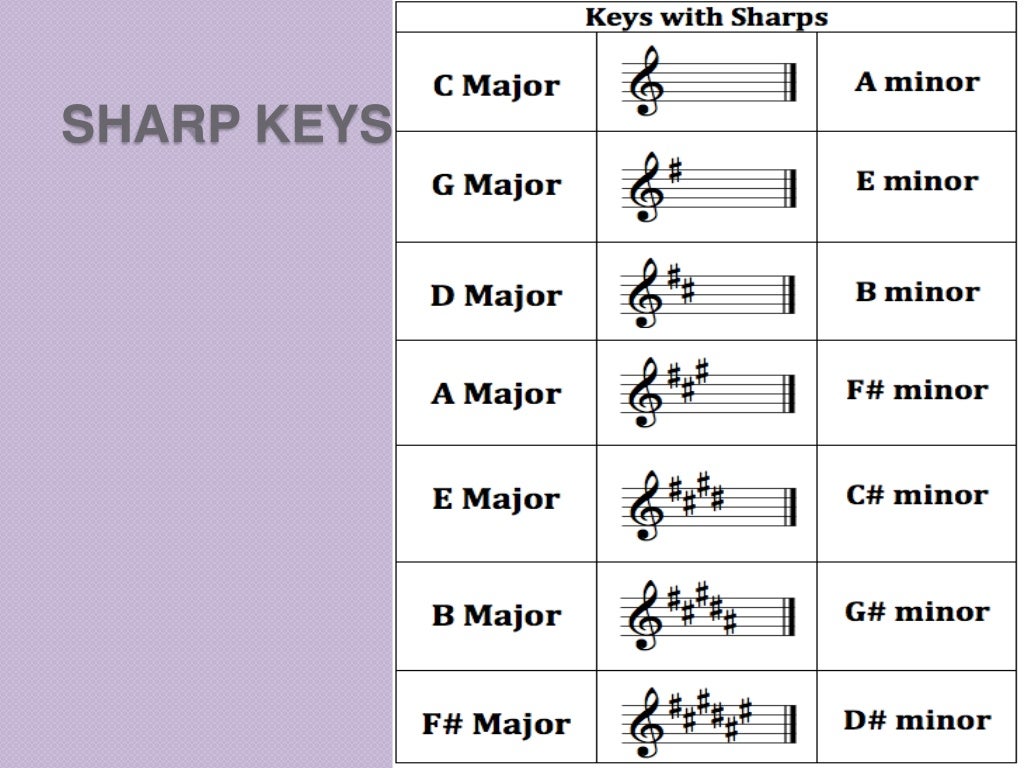
Key Signature Cheat Sheet By Beard Of Percussion Reso vrogue.co
Key Signatures Chart Printable
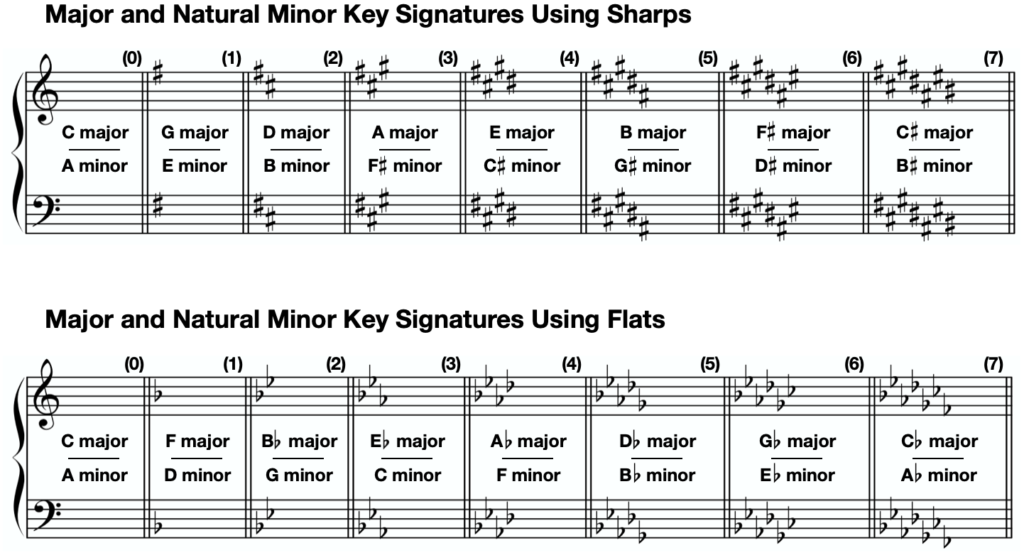
What are Key Signatures? Liberty Park Music

Music Theory for Beginners 5 Key signatures, relative majors and
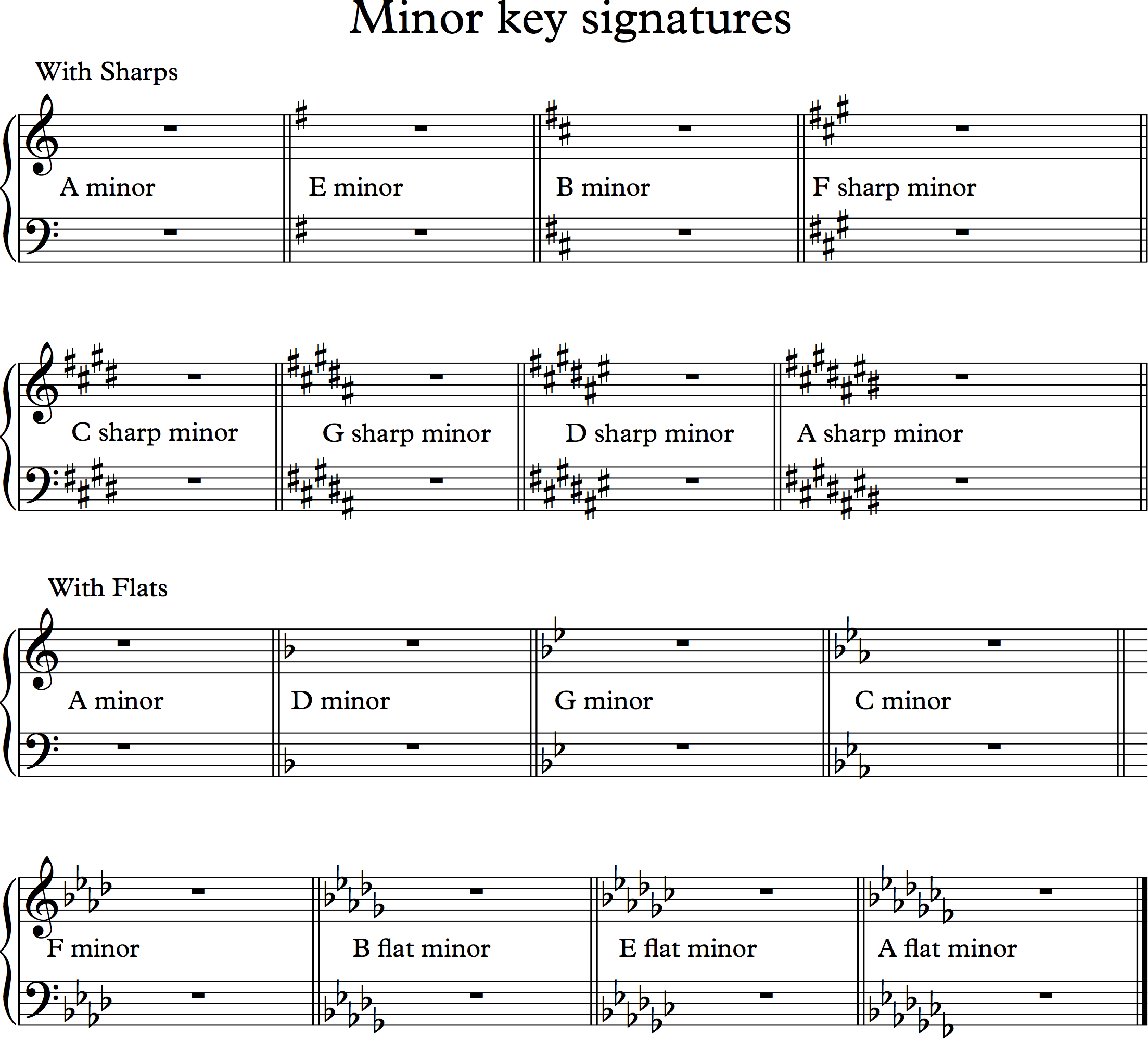
Minor Key Signature
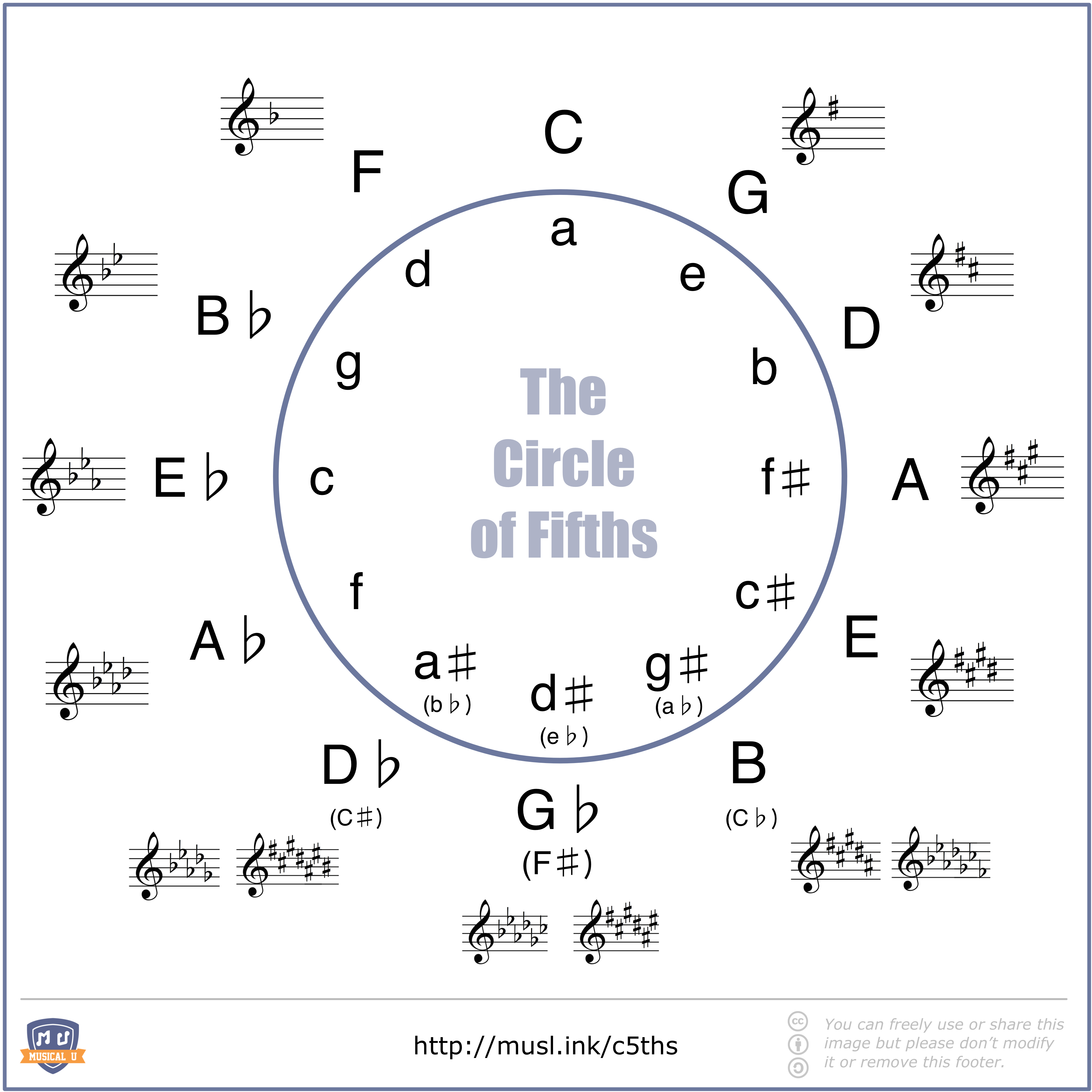
The Ultimate Guide to the Circle of Fifths Musicality World
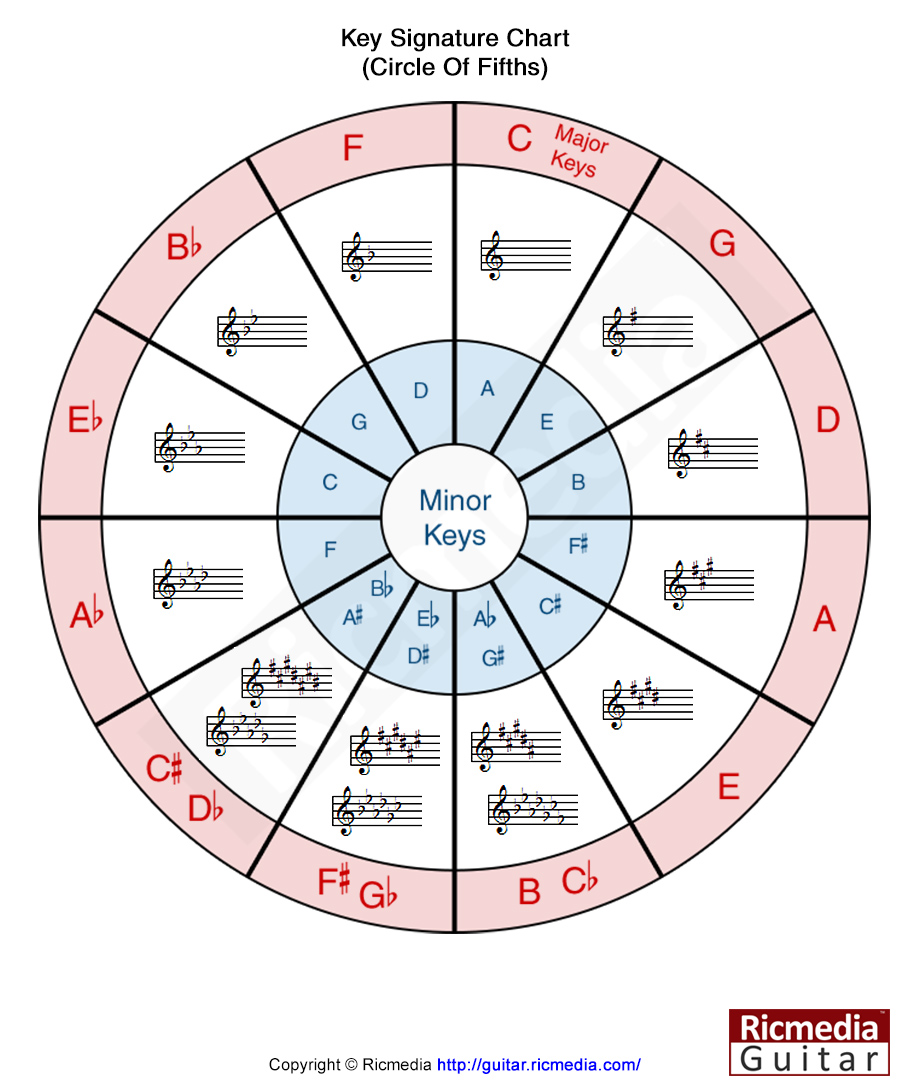
Key signature chart Ricmedia Guitar
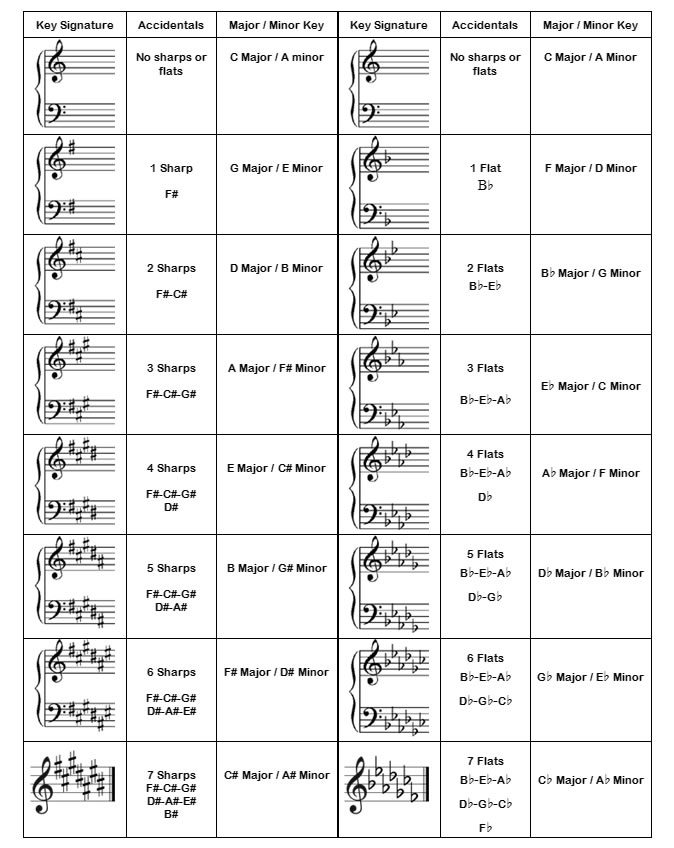
Understanding Key Signatures
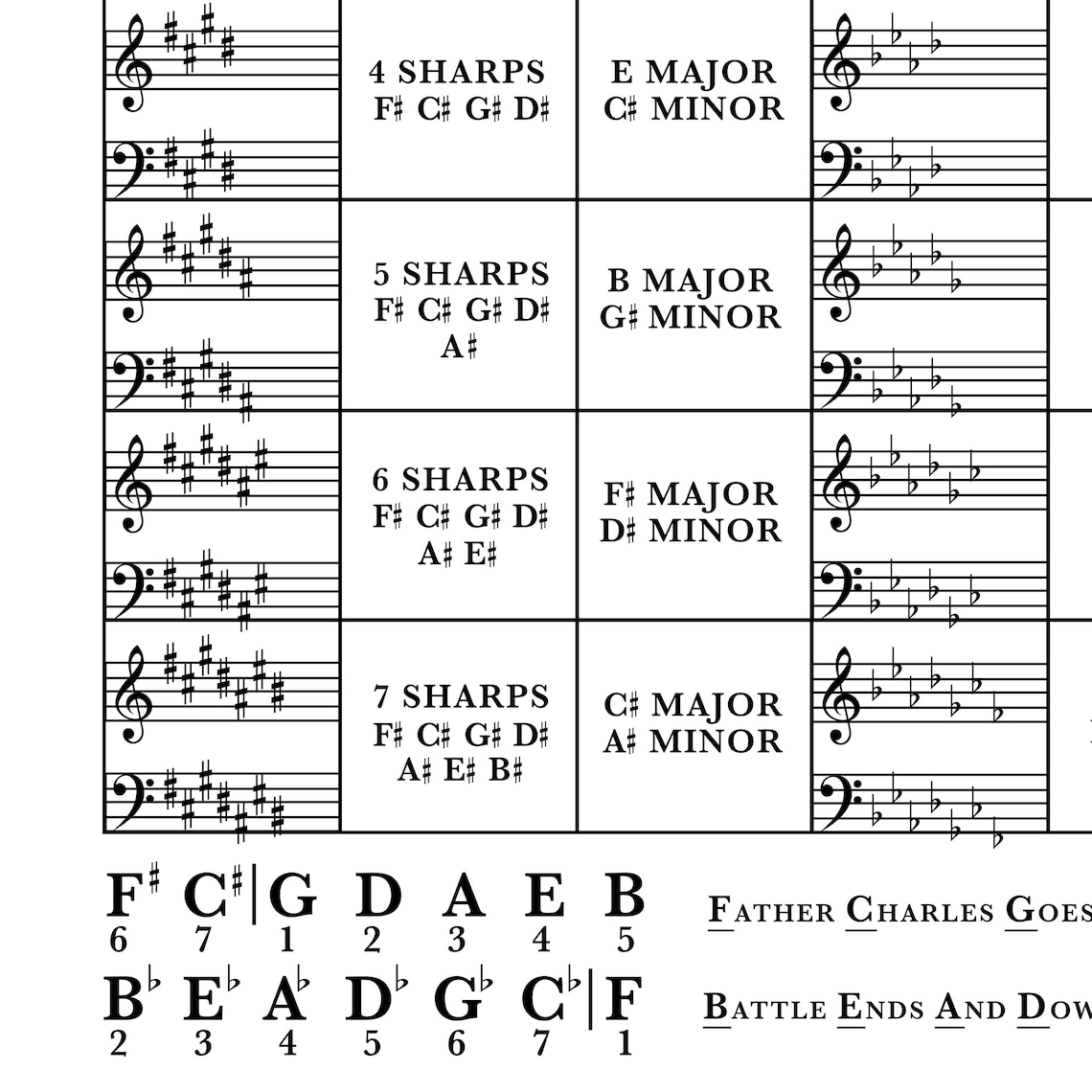
Key Signature Chart Printable Music Theory Cheat Sheet Etsy
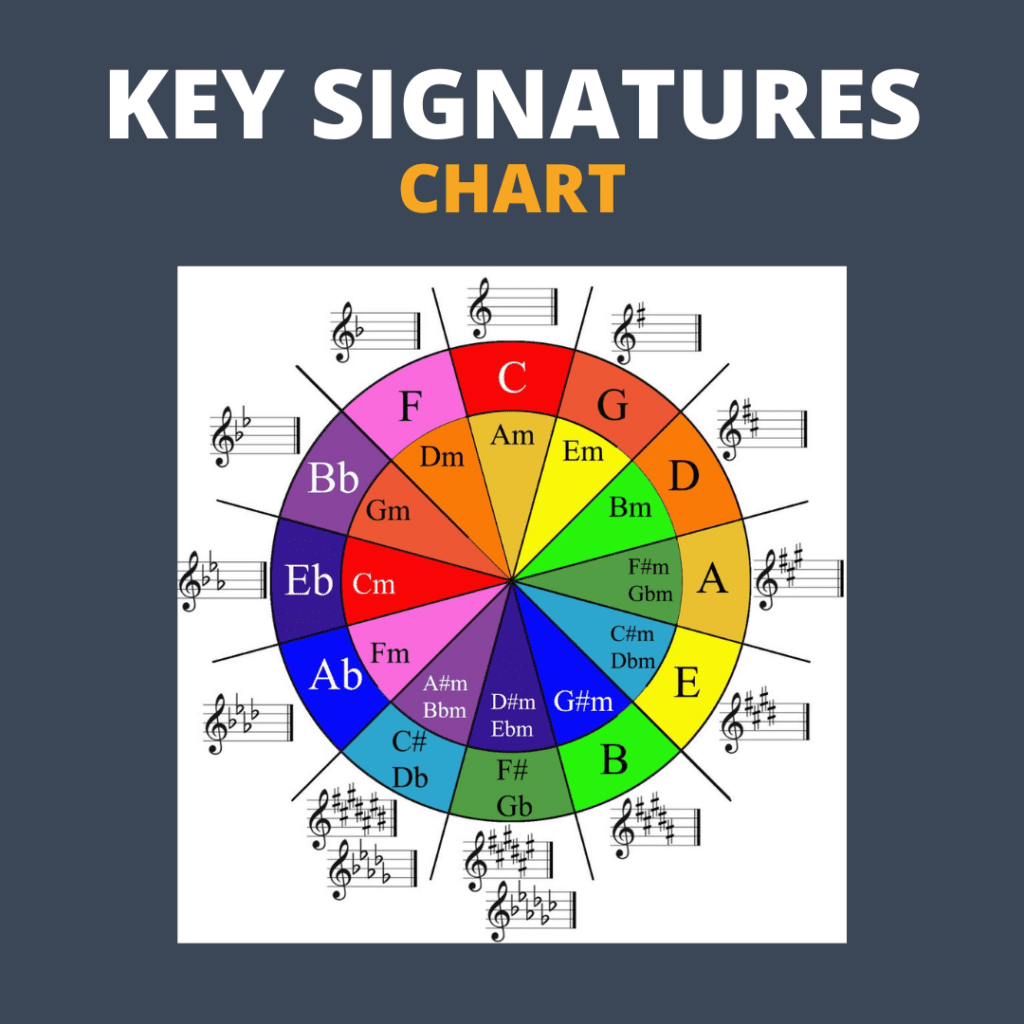
Key Signatures Chart Piano
These Sharps And Flats Affect All The Subsequent Notes On Their Line Or Space, Dictating Whether The Note Should Be Played As A Flat Or A Sharp.
Learn All The Key Signatures With This Interactive Key Signature Helper.
Covers Treble, Bass, Alto And Tenor Clef.
Web A Visual Reference To All The Major And Minor Key Signatures On The Staff With The Treble Or Bass Clef.
Related Post:
