
Iridology Eye Chart
Iridology Eye Chart - Web a typical iris chart usually divides the iris into approximately 90 zones, each corresponding to a different part of the human body. These charts typically depict the different zones and structures within the iris, along with corresponding organ and system references. Web iridology is the study of the “iris”, the exposed nerve endings which make up the coloured part of the eye. This type of chart includes a “map” of the irises in the left and right eyes. Web an iridologist will examine a patient’s eye and compare the findings to a chart identifying potential health conditions that have caused changes in the iris. The anatomical sources on which iridology relies are three: Web the iris is considered a microcosm of the entire body, with each part of the iris corresponding to specific organs and systems. According to iridologists, various markings, colors, and patterns in the iris can reveal information about different organs and systems in the body. They’ll also collect measurements over time to track changes. By examining iridology charts, practitioners can identify potential weaknesses, strengths, and imbalances within the body. Web iridology is the study of the “iris”, the exposed nerve endings which make up the coloured part of the eye. The colours and the many structural variations which can be viewed in each iris are. Oval or lozange shaped area without fibers or with very sparse one. In this sense, iridology is a useful analytical tool. Web a typical iris chart usually divides the iris into approximately 90 zones, each corresponding to a different part of the human body. These charts typically depict the different zones and structures within the iris, along with corresponding organ and system references. To make these observations, trained professionals called iridologists use iris charts. Web iridology can reveal many things, perhaps most importantly, the possibility of inflammation and irritation in the various bodily parts. Each iris is divided into 60 different sections, each of which represents a different part of the body. Web the iris is considered a microcosm of the entire body, with each part of the iris corresponding to specific organs and systems. The colours and the many structural variations which can be viewed in each iris are. Most modern iridologist, use an iridology camera to. In this sense, iridology is a useful analytical tool. The anatomical sources on which iridology relies are three: To make these observations, trained professionals called iridologists use iris charts. Web iridology charts are used as a guide to interpret the various iris patterns, colors, and markings. Oval or lozange shaped area without fibers or with very sparse one. According to iridologists, various markings, colors, and patterns in the iris can reveal information about different organs and systems in the body. By examining iridology charts, practitioners can identify potential weaknesses,. In this sense, iridology is a useful analytical tool. The iris surface, the pupil and the sclera. They’ll also collect measurements over time to track changes. These charts typically depict the different zones and structures within the iris, along with corresponding organ and system references. Web a typical iris chart usually divides the iris into approximately 90 zones, each corresponding. The iris surface, the pupil and the sclera. Web iridologists use a diagram called an iridology chart to complete their readings. Web the iris is considered a microcosm of the entire body, with each part of the iris corresponding to specific organs and systems. Web an iridologist will examine a patient’s eye and compare the findings to a chart identifying. Most modern iridologist, use an iridology camera to. Web iridologists use a diagram called an iridology chart to complete their readings. Web iridology is the study of the “iris”, the exposed nerve endings which make up the coloured part of the eye. Web the iris is considered a microcosm of the entire body, with each part of the iris corresponding. Oval or lozange shaped area without fibers or with very sparse one. According to iridologists, various markings, colors, and patterns in the iris can reveal information about different organs and systems in the body. The iris surface, the pupil and the sclera. The anatomical sources on which iridology relies are three: Web a typical iris chart usually divides the iris. Web iridologists use a diagram called an iridology chart to complete their readings. Web iridology is the study of the “iris”, the exposed nerve endings which make up the coloured part of the eye. Web the iris is considered a microcosm of the entire body, with each part of the iris corresponding to specific organs and systems. Each of these. Web an iridologist will examine a patient’s eye and compare the findings to a chart identifying potential health conditions that have caused changes in the iris. Web iridology charts are used as a guide to interpret the various iris patterns, colors, and markings. Each iris is divided into 60 different sections, each of which represents a different part of the. By examining iridology charts, practitioners can identify potential weaknesses, strengths, and imbalances within the body. Web the iris is considered a microcosm of the entire body, with each part of the iris corresponding to specific organs and systems. Iridologists believe that the details reflected by the. The iris surface, the pupil and the sclera. In this sense, iridology is a. Web an iridologist will examine a patient’s eye and compare the findings to a chart identifying potential health conditions that have caused changes in the iris. Most modern iridologist, use an iridology camera to. Web the iris is considered a microcosm of the entire body, with each part of the iris corresponding to specific organs and systems. Web iridologists use. In this sense, iridology is a useful analytical tool. Most modern iridologist, use an iridology camera to. Iridologists believe that the details reflected by the. Each iris is divided into 60 different sections, each of which represents a different part of the body. Web a typical iris chart usually divides the iris into approximately 90 zones, each corresponding to a different part of the human body. Web iridologists use a diagram called an iridology chart to complete their readings. Web iridology charts are used as a guide to interpret the various iris patterns, colors, and markings. Each of these structures provides information which integrates patient’s evaluation. According to iridologists, various markings, colors, and patterns in the iris can reveal information about different organs and systems in the body. The colours and the many structural variations which can be viewed in each iris are. These charts typically depict the different zones and structures within the iris, along with corresponding organ and system references. Web iridology can reveal many things, perhaps most importantly, the possibility of inflammation and irritation in the various bodily parts. Oval or lozange shaped area without fibers or with very sparse one. Web iridology is the study of the “iris”, the exposed nerve endings which make up the coloured part of the eye. This type of chart includes a “map” of the irises in the left and right eyes. To make these observations, trained professionals called iridologists use iris charts.
iridology eye chart iriscope iridology camera iriscope camera

How to read iridology chart The Definitive Guide iriscope

iridology eye chart free download? iriscope iridology camera
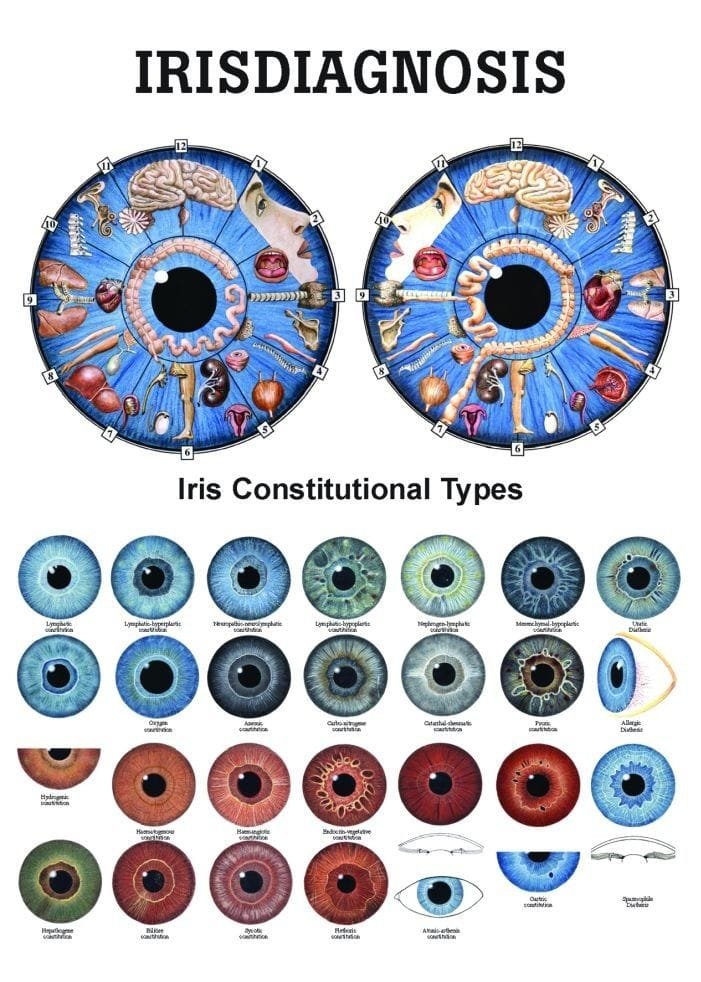
What is iridology eye chart diagnosis? iriscope iridology camera

iridology eye chart diagnosis iriscope iridology camera iriscope

Iridology chart iriscope iridology camera iriscope camera

Iridology Chart Right Eye Iris Iridology Chart

Left eye iridology chart Here's a Quick Way to Get iriscope
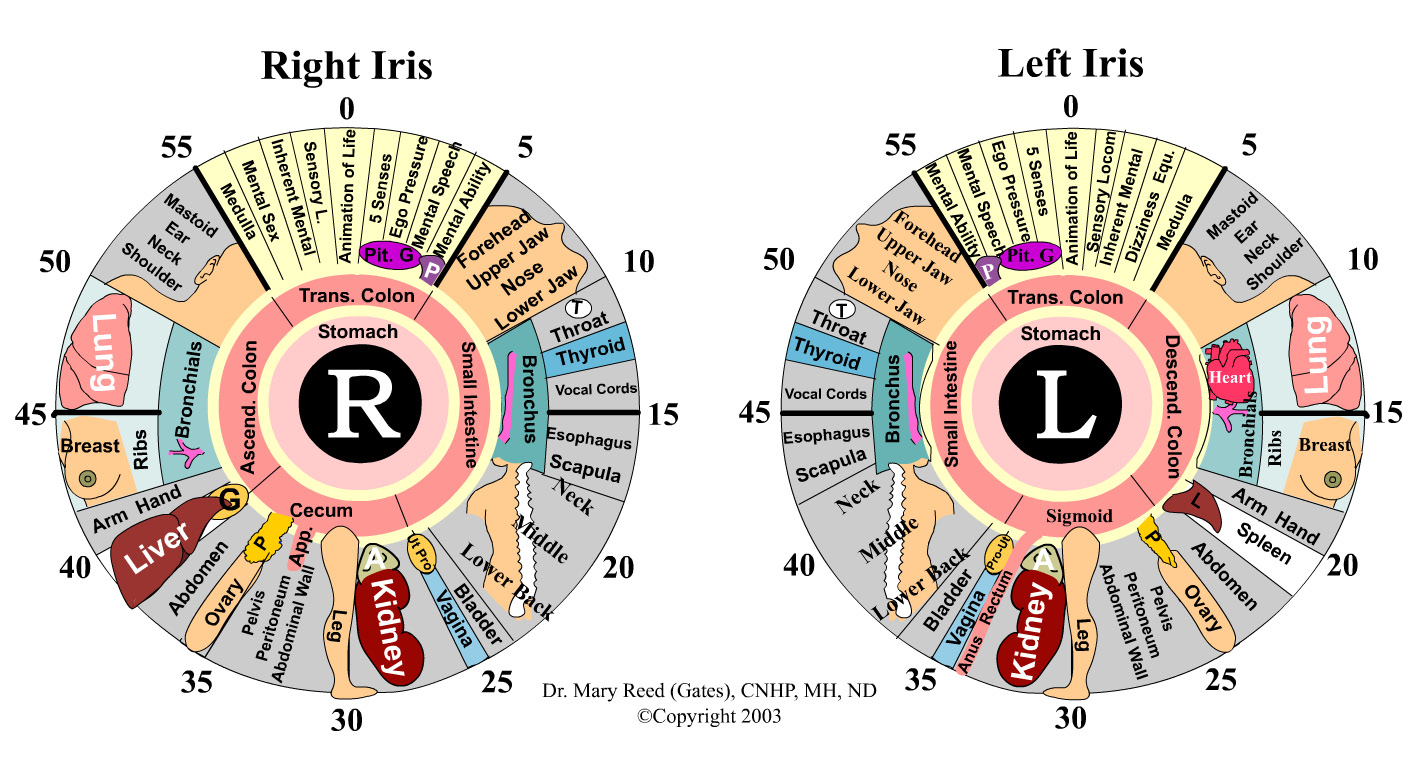
Iridology Eyes Speak Everything Health Tips Ever Magazine

What is iridology eye chart diagnosis? iriscope iridology camera
They’ll Also Collect Measurements Over Time To Track Changes.
Web The Iris Is Considered A Microcosm Of The Entire Body, With Each Part Of The Iris Corresponding To Specific Organs And Systems.
The Iris Surface, The Pupil And The Sclera.
The Anatomical Sources On Which Iridology Relies Are Three:
Related Post: