
Golf Ball Compression Rating Chart
Golf Ball Compression Rating Chart - Web our golf ball compression chart makes it easy to find models with your preferred specs, including the spin, height, and price. Lower compression balls generally provide a softer feel and more distance for slower swing speeds. It describes the interaction between the clubface and the ball’s core. The compression rating of a golf ball affects its performance. You won’t have to worry about compression on your wedges and high lofted irons as much. This guide will also cover what compression does to performance and feel and how. Web compression, measured from 0 to 200, determines how much a ball compresses upon impact, influencing its trajectory and distance. Web once you figure out which golf ball compression is going to be right for your swing and your game, you can move on to solving other problems and continuing to lower your scores. Web understanding golf ball compression will help you make more informed decisions about the best golf ball to use on the course. Web golf ball compression is the measure of how much a golf ball deforms and changes shape when struck by a club. So, let’s see where your swing speed fits in the golf ball compression chart and that will tell you which is best for you (and why). Compression ratings vary from 40 to 20. Web golf ball handicap chart: Should you choose a high compression rating, that is 90 and above? Web now before we tell you how to determine the right compression rating for your skills and game, let’s just have a look at the chart below: Web compression, measured from 0 to 200, determines how much a ball compresses upon impact, influencing its trajectory and distance. The lower the compression, the softer the ball, and the higher the compression rating, the harder the ball. Web finding the right golf ball compression for your game is vital. Web here is a comprehensive golf ball compression rating chart to help you make an informed decision: In this golf ball compression chart, we’ll explore top ball ratings based on swing speed, helping golfers make informed choices for their game. After all, they’re all pretty much the same, right? Then, we’ll teach you how to match up the right golf ball for your swing speed. Golf balls also come in variable speed and compression categories, making their performance different. Understanding the compression of modern golf balls is the first step in the process of finding that perfect ball. It describes. Web it is measured on a scale ranging from low (usually around 40) to high (up to 100). Compression is a term used to describe the amount of deformation a golf ball undergoes when it is struck. After all, they’re all pretty much the same, right? Compression measures how hard or soft the golf ball is, with lower compression meaning. Web once you figure out which golf ball compression is going to be right for your swing and your game, you can move on to solving other problems and continuing to lower your scores. Web understanding golf ball compression will help you make more informed decisions about the best golf ball to use on the course. Below the chart, you’ll. Most golf balls have a compression rating between 50 and 100. Web the right compression rating can impact distance, control, and overall feel. Web knowing which golf ball compression matches your swing speed, tempo and club head speed will get you closer to your goal. Web finding the right golf ball compression for your game is vital. To the casual. Compression measures how hard or soft the golf ball is, with lower compression meaning a softer ball. Web once you figure out which golf ball compression is going to be right for your swing and your game, you can move on to solving other problems and continuing to lower your scores. A lower compression rating indicates that the ball will. Should you choose a high compression rating, that is 90 and above? So what compression rating is right for you? Web compression, measured from 0 to 200, determines how much a ball compresses upon impact, influencing its trajectory and distance. Web the compression rating of a golf ball is typically indicated on the packaging or product description and is measured. Web golf ball compression is the measure of how much a golf ball deforms and changes shape when struck by a club. Compression affects your game mainly off the tee. This is your current skill level and which ball might be the best fit. Web knowing which golf ball compression matches your swing speed, tempo and club head speed will. One thing you might have heard some golfers talking about is golf ball compression or perhaps how hard or soft a golf ball is. Web here is a comprehensive golf ball compression rating chart to help you make an informed decision: High handicaps are anyone who shoots above 90. It describes the interaction between the clubface and the ball’s core.. Web here is a comprehensive golf ball compression rating chart to help you make an informed decision: Compression is a term used to describe the amount of deformation a golf ball undergoes when it is struck. This determines how much the ball compresses upon impact with your club. By comparing different compression ratings, you can determine which golf ball suits. Web one of the most important factors in choosing a golf ball is compression rating, which refers to how tightly wound the interior core is compressed during manufacturing. Below the chart, you’ll find a golf ball compression faq of sorts. Then, we’ll teach you how to match up the right golf ball for your swing speed. At those swing speeds,. Web it is measured on a scale ranging from low (usually around 40) to high (up to 100). Make note of the compression rating; Web now before we tell you how to determine the right compression rating for your skills and game, let’s just have a look at the chart below: By comparing different compression ratings, you can determine which golf ball suits your game best. In the interest of providing even more information, we’ve also included the layer count, number of dimples and cover material. Web the compression rating of a golf ball is typically indicated on the packaging or product description and is measured in numbers ranging from 0 to 200. The lower the compression, the softer the ball, and the higher the compression rating, the harder the ball. Compression measures how hard or soft the golf ball is, with lower compression meaning a softer ball. Web golf ball compression is the measure of how much a golf ball deforms and changes shape when struck by a club. When looking at golf ball compression ratings,. Compression affects your game mainly off the tee. It describes the interaction between the clubface and the ball’s core. What compression golf ball should i use? In this golf ball compression chart, we’ll explore top ball ratings based on swing speed, helping golfers make informed choices for their game. Web players who swing their driver 105 mph and faster should play a high compression ball, one with a compression rating of 90 or higher. Web how does it affect your game?
Golf Ball Compression Chart for Every Golf Ball in 2024
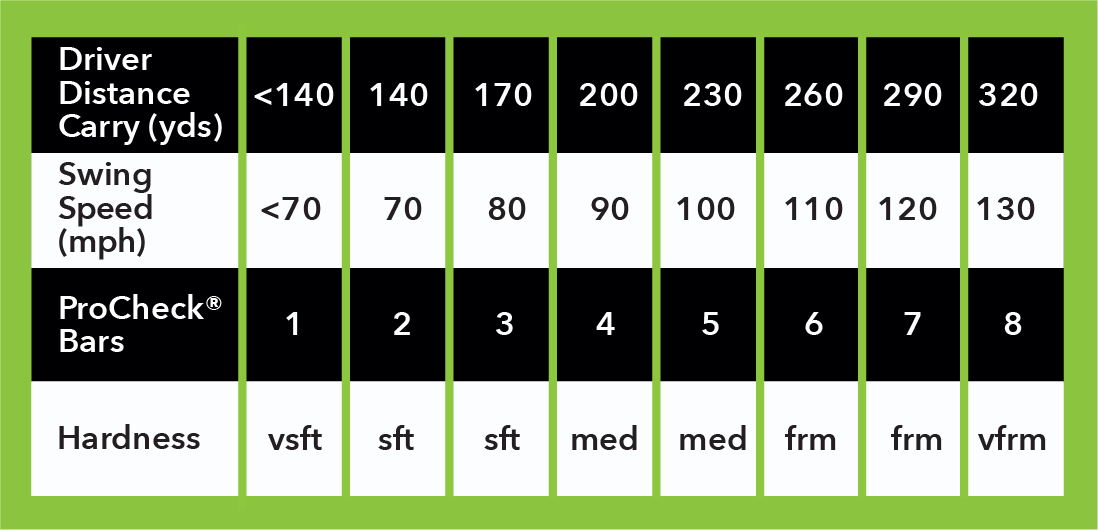
ProCheck® 1 Golf Ball Compression Testing Tool
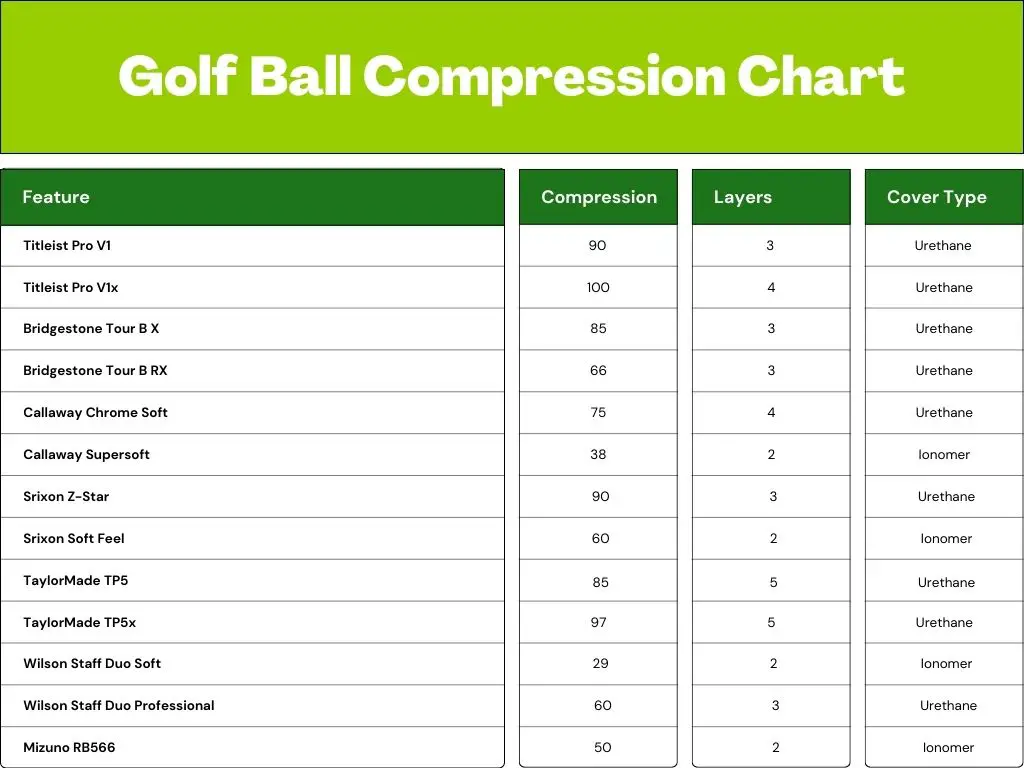
The Golf Ball Compression Chart What Every Golfer Must Know
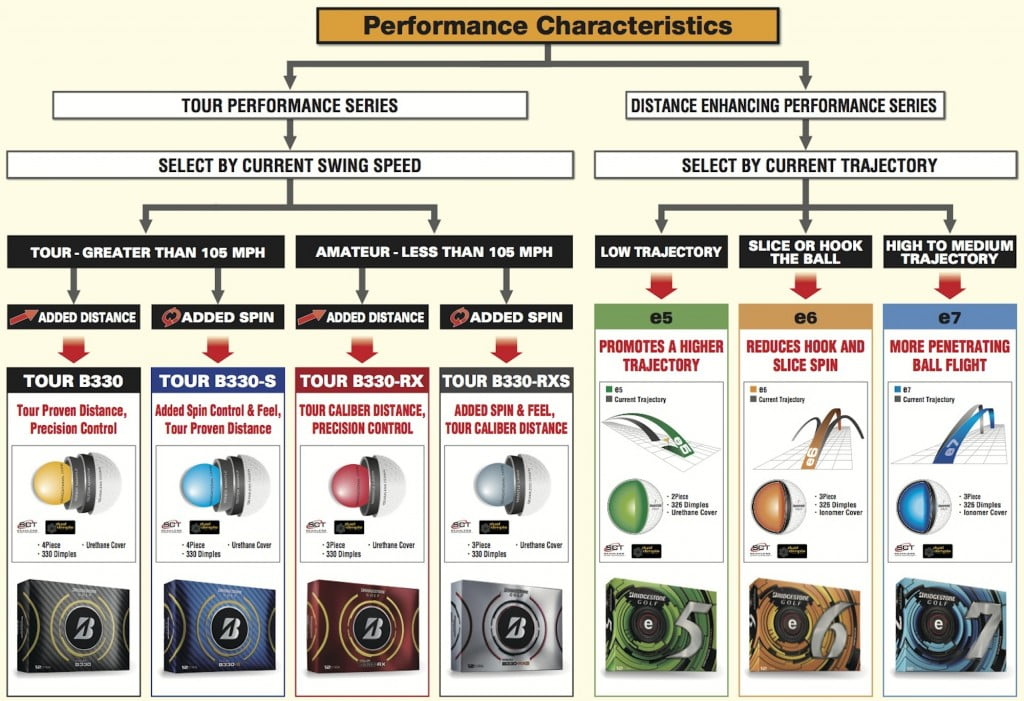
Understanding the Golf Ball Compression Chart Get In The Hole
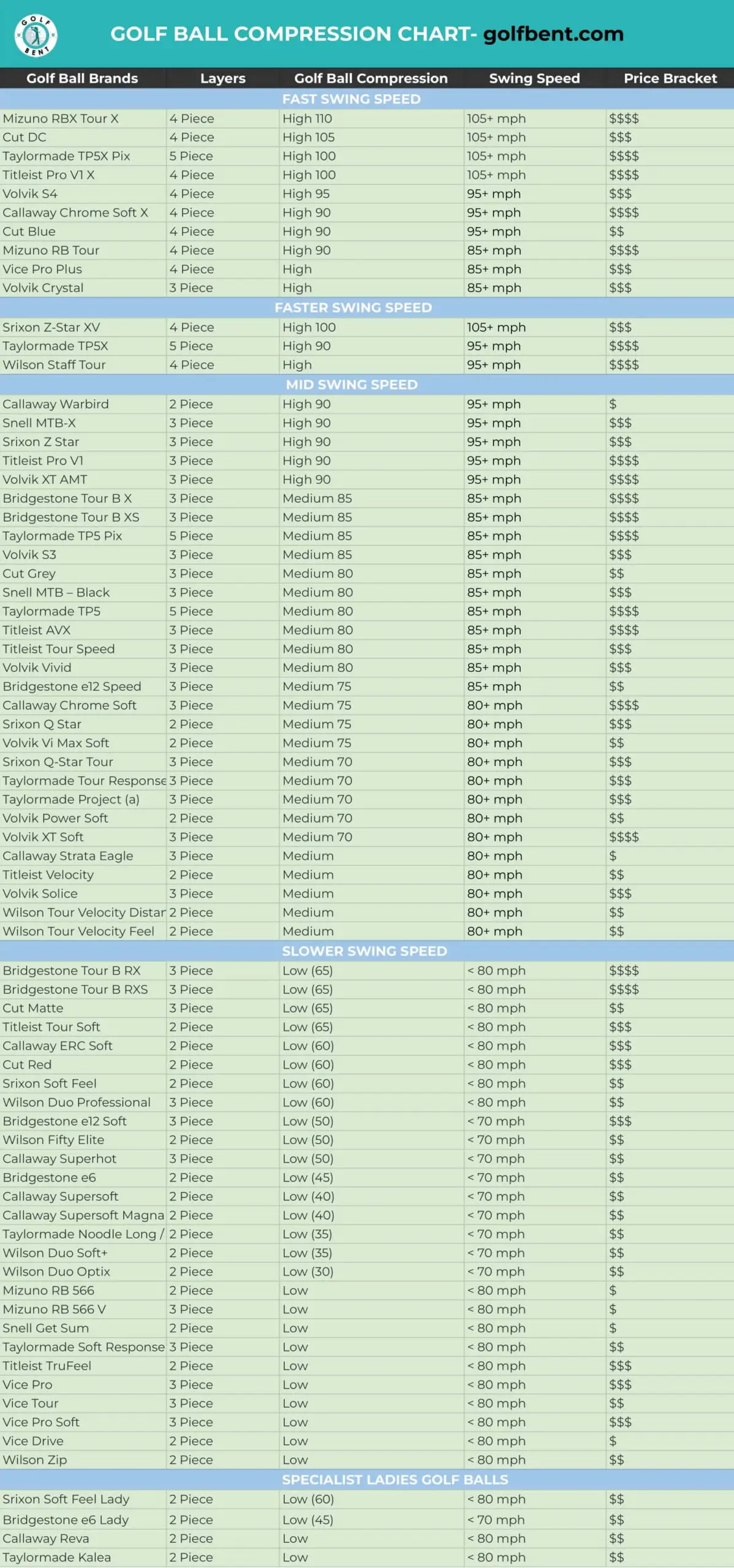
Golf Ball Compression Chart Compression, Layers, Spin Guide
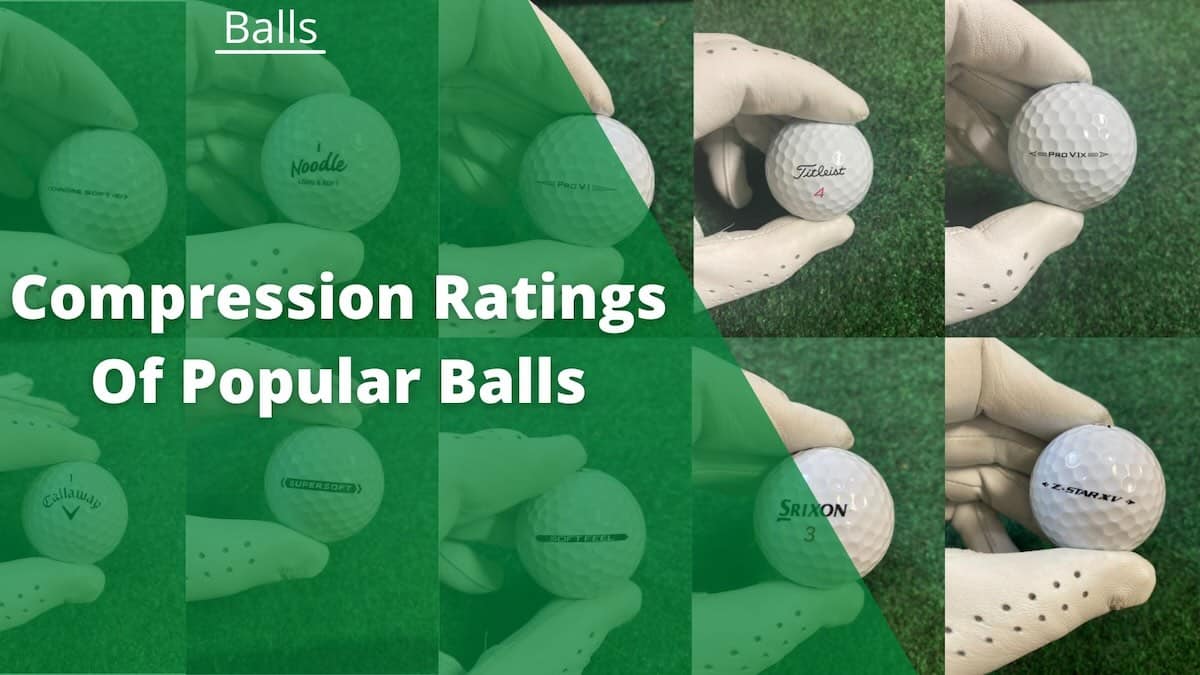
Golf Ball Compression Chart Top Ball Ratings By Swing Speed

Golf Ball Compression Chart 2023 Every Golf Ball Ranked

Ball Lab Kirkland Performance + V2 Review MyGolfSpy
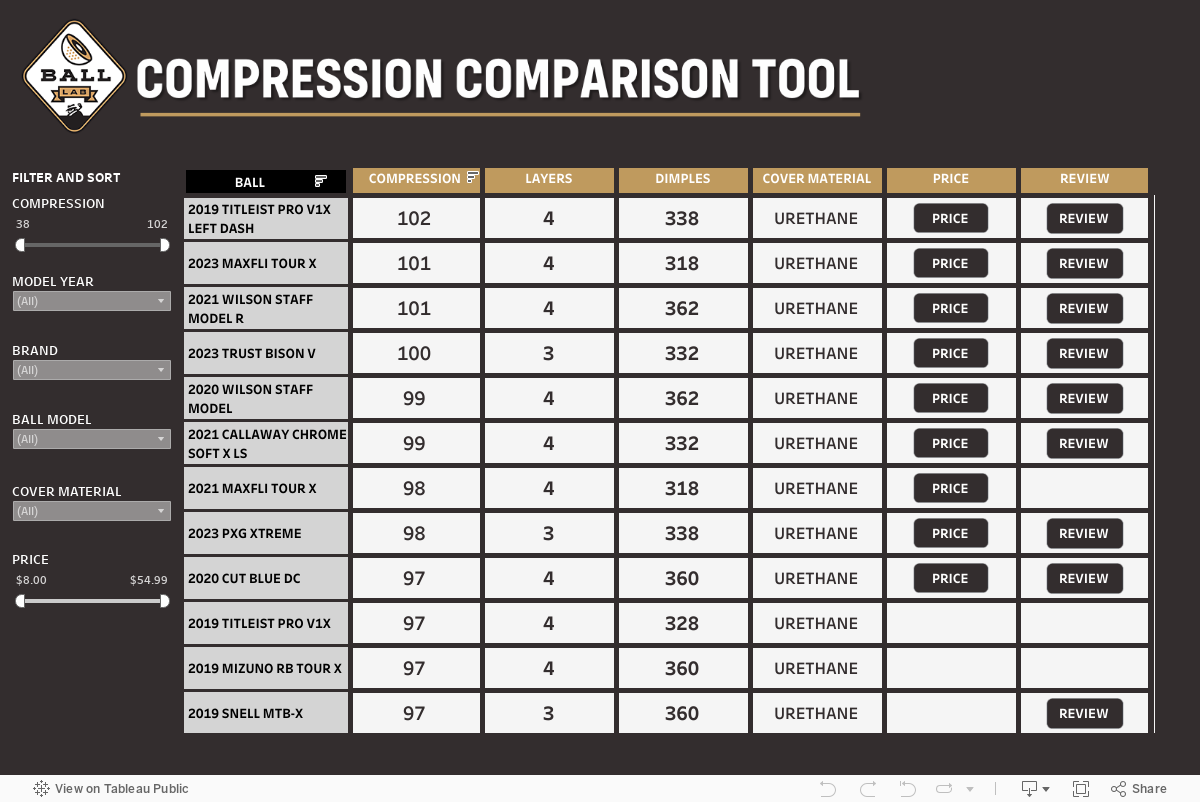
Golf Ball Compression Chart Mygolfspy

Golf Ball Compression Chart with Ratings The Golf Crunch
Web Once You Figure Out Which Golf Ball Compression Is Going To Be Right For Your Swing And Your Game, You Can Move On To Solving Other Problems And Continuing To Lower Your Scores.
Web Golf Ball Handicap Chart:
Then, We’ll Teach You How To Match Up The Right Golf Ball For Your Swing Speed.
Should You Choose A High Compression Rating, That Is 90 And Above?
Related Post: