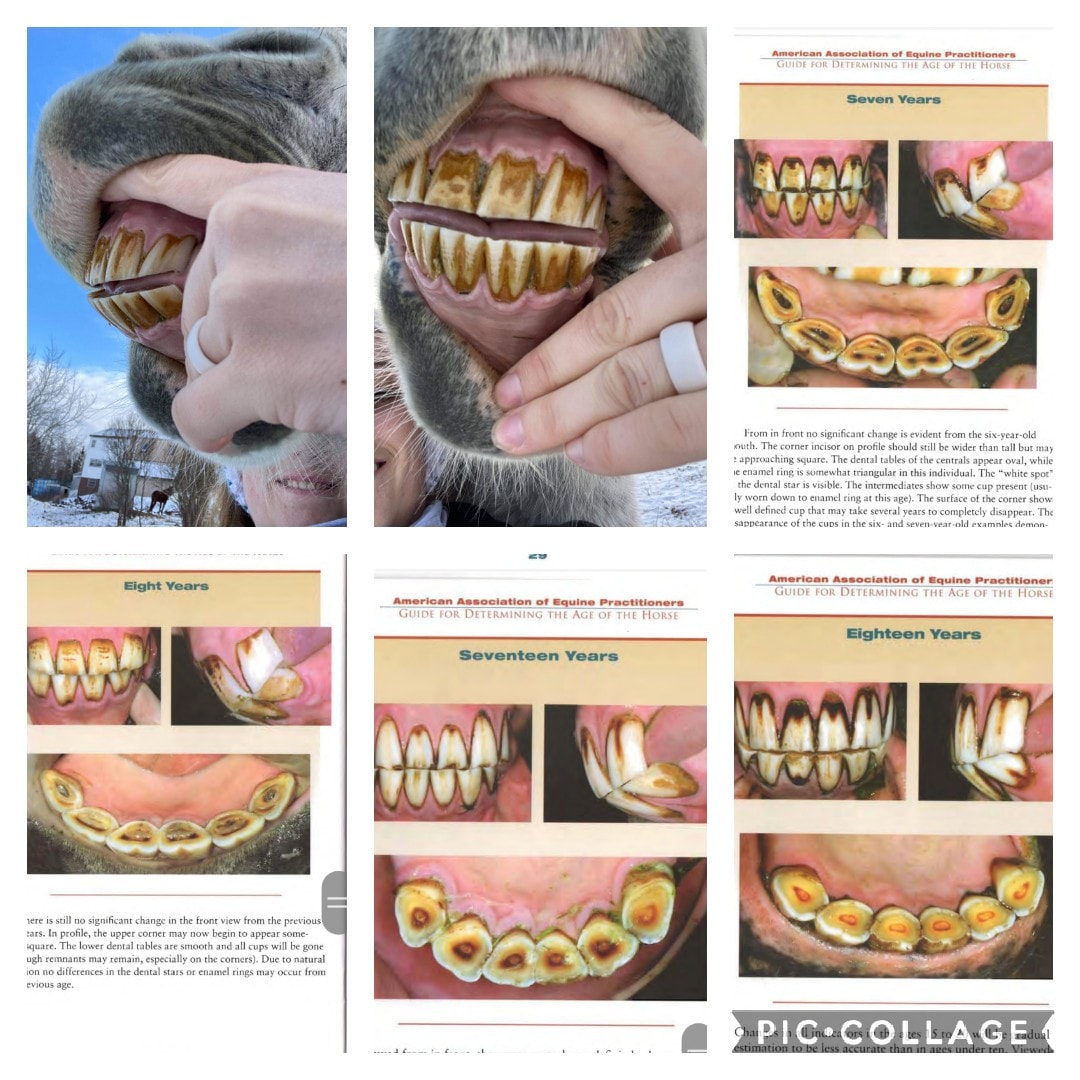
Equine Teeth Age Chart
Equine Teeth Age Chart - Between ages 5 and 10, a horse’s teeth has cups or indentations on the surface. Not all horses have wolf or canine teeth, but in horses that have them, they emerge around age 4. The groove that forms at the gum line around the age of 10 is known as galvayne's groove. Horses have two sets of teeth: Outer incisors beginning to wear. Web the permanent teeth begin erupting at 2 ½ years, with the central incisors, and continue outward each year. Temporary teeth called “baby” or “milk” teeth, and permanent teeth. The dental star consists of yellowish brown secondary dentin that fills up the pulp cavity and appears at the occlusal surface as the tooth wears. The shape of the incisors also helps determine a horse’s age. Web by age five, most horses have all 36 total permanent teeth. “cup” (black cavity) gone from middle of central incisor. Web the younger a horse is, the more accurate the approximation will be. Outer incisors beginning to wear. The dental star consists of yellowish brown secondary dentin that fills up the pulp cavity and appears at the occlusal surface as the tooth wears. Web the horse’s teeth at 2 ½ years old. Web adult horse teeth and horse teeth age chart. Temporary teeth called “baby” or “milk” teeth, and permanent teeth. Aging the horse by its teeth is not an exact science, but changes do occur that can help determine approximate age, and anyone can learn the basics. Web telling a horse's age by its teeth is not 100 percent accurate, but it will give you an approximate range if you don't know the horse's actual date of birth. Between ages 5 and 10, a horse’s teeth has cups or indentations on the surface. You can use it to detect potential abnormalities with your foal teething. By the time the horse is 2 ½ years old, their first permanent incisor teeth will appear in each jaw, the central incisors. Web telling a horse's age by its teeth is not 100 percent accurate, but it will give you an approximate range if you don't know. Not all horses have wolf or canine teeth, but in horses that have them, they emerge around age 4. Aging the horse by its teeth is not an exact science, but changes do occur that can help determine approximate age, and anyone can learn the basics. Web the chart below uses the triadan dental numbering system and shows the approximate. Eventually, the surfaces are worn flat from grazing. Web adult horse teeth and horse teeth age chart. There are four major ways to estimate age of horses by appearance of their teeth: Web the permanent teeth begin erupting at 2 ½ years, with the central incisors, and continue outward each year. Additionally, notice the shape of the horse’s incisors at. Web horses have a unique dental system that allows veterinarians and equine experts to estimate a horse’s age with reasonable accuracy by examining the eruption and wear patterns of their teeth. The groove that forms at the gum line around the age of 10 is known as galvayne's groove. Web at 4 1/2 years the horse has its corner incisors,. For very young horses, eruption dates are useful, but in general, the place to start is examination of the occlusal surface of the lower incisors. Here are four characteristics to look for to determine the age of a horse by its teeth. The groove that forms at the gum line around the age of 10 is known as galvayne's groove.. The dental star consists of yellowish brown secondary dentin that fills up the pulp cavity and appears at the occlusal surface as the tooth wears. Horses have two sets of teeth: Between five and nine years of age this tooth is generally wider than tall. By the time the horse is 5 years old, it has a. All temporary teeth. For very young horses, eruption dates are useful, but in general, the place to start is examination of the occlusal surface of the lower incisors. The dental star consists of yellowish brown secondary dentin that fills up the pulp cavity and appears at the occlusal surface as the tooth wears. Web see how horse teeth grow as a horse ages.. The canine teeth are usually present in a male horse, but absent or rudimentary in the mare. Web learn how to determine a horse's age using a real horse teeth age chart, explore the importance of dental care, and discover alternative age determination methods. By the time the horse is 5 years old, it has a. At ages nine to. Between ages 5 and 10, a horse’s teeth has cups or indentations on the surface. Web the age of horses, donkeys, and mules can be estimated by examining the eruption and wear patterns of the teeth. Web the idea is to notice all the differences and variability seen within each age. Web the horse’s teeth at 2 ½ years old.. Not all horses have wolf or canine teeth, but in horses that have them, they emerge around age 4. With foals a good rule of thumb to remember is that their milk teeth, or deciduous teeth, erupt, or come in, following a simple timetable of 8 days, 8 weeks and 8 months. There are four major ways to estimate age. The horse will start to lose his deciduous teeth as the permanent teeth start to erupt in their place. Aging the horse by its teeth is not an exact science, but changes do occur that can help determine approximate age, and anyone can learn the basics. Get a horse tooth chart. Web to categorize a horse's age into one of three groups from five to twenty years of age. Web by age five, most horses have all 36 total permanent teeth. “cup” (black cavity) gone from middle of central incisor. Outer incisors beginning to wear. Between ages 5 and 10, a horse’s teeth has cups or indentations on the surface. Incisors horses under 5 years of age go through some very typical. The younger the horse, the closer the teeth will match its real age. Web the permanent teeth begin erupting at 2 ½ years, with the central incisors, and continue outward each year. Also, note that some horses’ left and right sides are different, yielding a different age. Web the chart below uses the triadan dental numbering system and shows the approximate ages of different teeth eruption. Not all horses have wolf or canine teeth, but in horses that have them, they emerge around age 4. Here are four characteristics to look for to determine the age of a horse by its teeth. You can use it to detect potential abnormalities with your foal teething.Horse Teeth Age Chart
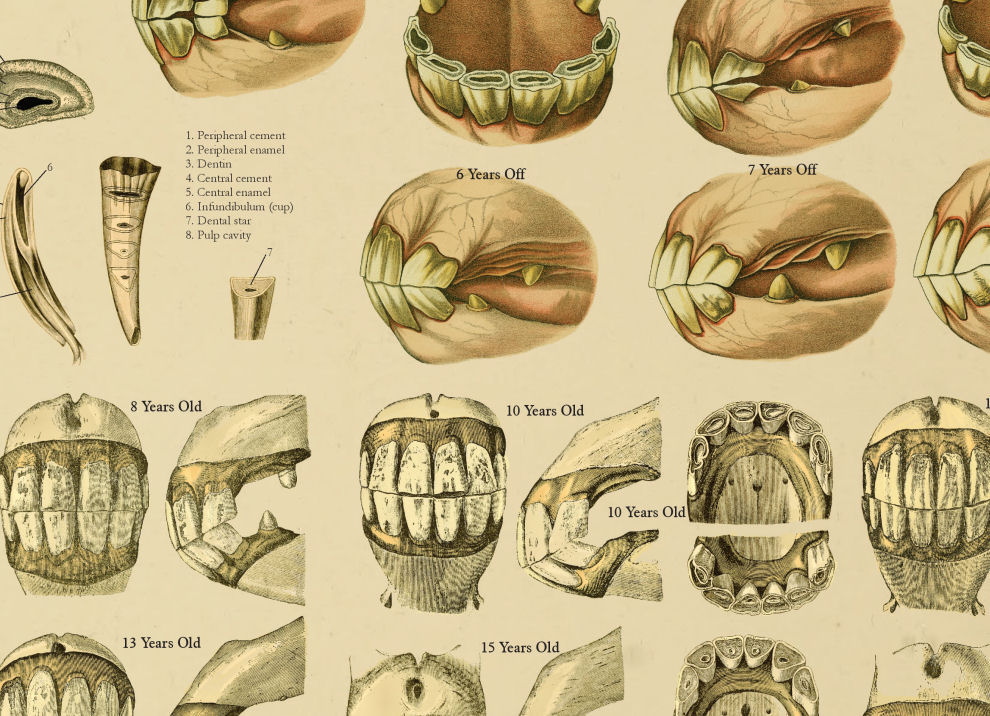
Horse Teeth Aging Chart

Ageing Horses Teeth Charts
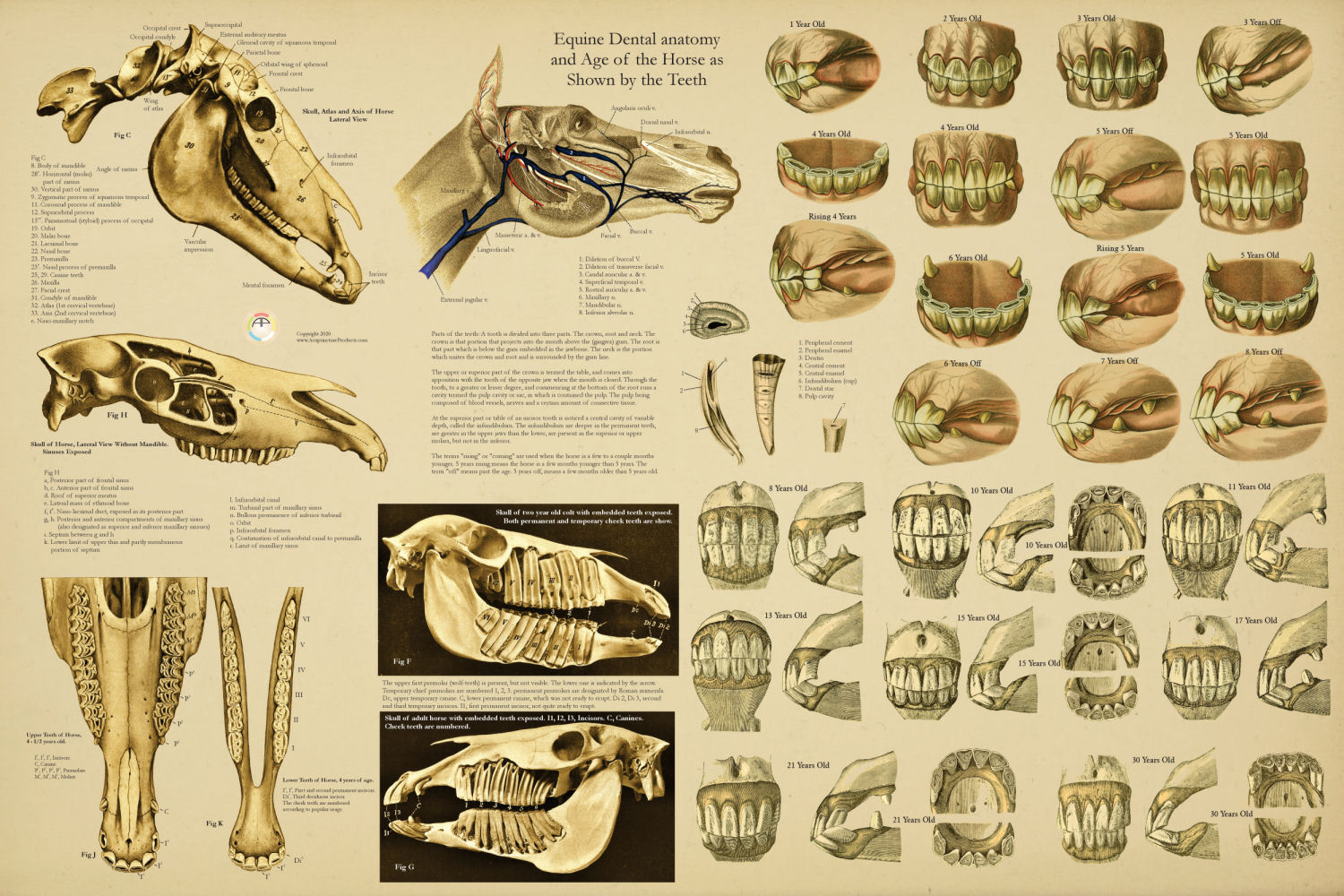
Equine Dental Anatomy Age of Horse by Teeth Chart

Equine Dental Age of Horse by Teeth Poster 18 X 24 Veterinary

Horse Teeth Age Chart Aging Horses by Teeth Chart

Estimate Your Horse's Age By His Teeth

Horse Teeth Age Chart
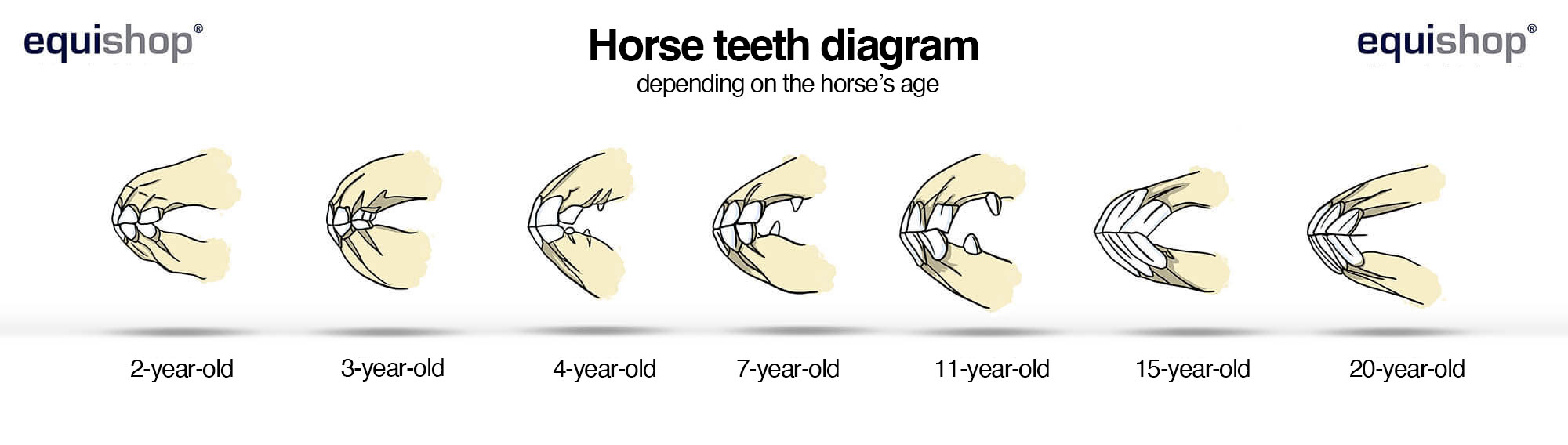
Horse Teeth Age Chart
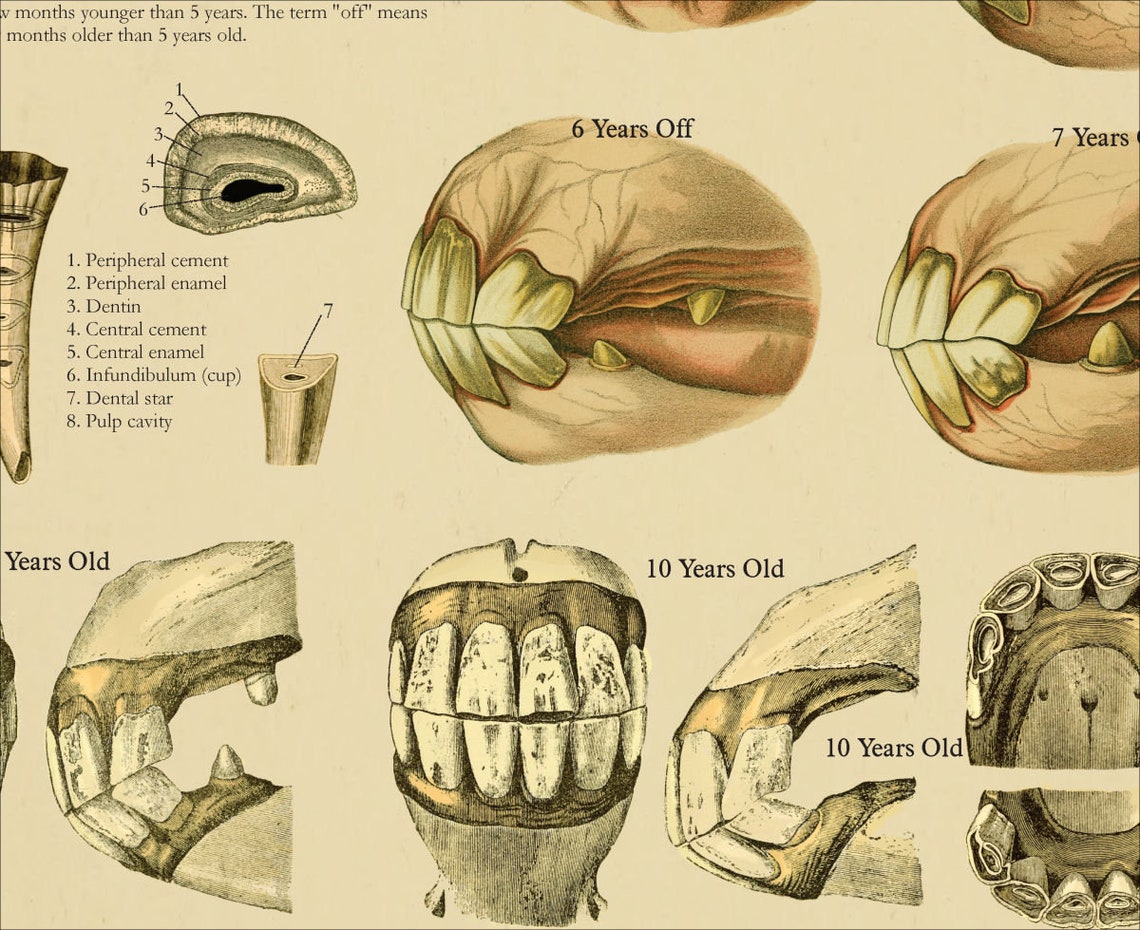
Equine Dental Age of Horse by Teeth Poster 18 X 24 Etsy
Detailed Insights Into Equine Dental Development.
Plus 4 Of 6 Premolars Will Be Replaced By Their Permanent Counterparts, While 4 Of The Permanent Molars Will Now Be Present In Each Jaw.
By The Time The Horse Is 2 ½ Years Old, Their First Permanent Incisor Teeth Will Appear In Each Jaw, The Central Incisors.
Web Based On Their Shape, Groove, And Angle, You Can Estimate The Horse's Age.
Related Post: