
Citrus Tree Leaves Identification Chart
Citrus Tree Leaves Identification Chart - Oranges are larger than tangerines, have thick, bumpy rinds and are bright orange in color. The colour and patination of the leaves can tell you a lot about what is going on inside. Aim for a ratio of 5:1. Web inspect the color of the leaves when identifying them. The presence of thorns (which may be absent in. However, it might surprise you to learn how many different varieties there are. Can impact their health, vigor, and productivity to varying degrees. The other two leaves are deficient.) figure 2. Select a good quality organic potting soil and add a mix of organic compost. Lime trees have leaves similar to that of a lemon tree, but longer and shinier. Lime trees have similar leaves but are very glossy and grow 2 to 4 inches long, and the leaves grow separately. There are two ways to know for certain that you're looking at a type of citrus fruit tree and not a pome or stone fruit tree: The soil is the foundation where your citrus tree’s roots will expand and grow. Can impact their health, vigor, and productivity to varying degrees. Though this crop is relatively low input, it is not hands free. This mixture will give your lime plenty to feed on and limit the need for much supplemental fertilizer. Apple leaves are sage to dark green with a silver hue. Light green or yellow blotches on leaves are an indication of magnesium deficiency. Web photos of citrus leaves showing stresses, insect damage, and diseases, along with descriptions of the problems and how to solve them. Web can i tell from the shapes of the leaves which citrus plant it is? Can impact their health, vigor, and productivity to varying degrees. Web can i tell from the shapes of the leaves which citrus plant it is? Fruit are rather coarse with thick rinds (fig. Web all citrus fruit tree leaves are oblong or oval in shape. Lime trees have similar leaves but are very glossy and grow 2 to 4 inches. Aim for a ratio of 5:1. The leaves of most cultivated citrus taxa are somewhat to strongly conduplicate when in full sun. Web all citrus fruit tree leaves are oblong or oval in shape. Oranges are larger than tangerines, have thick, bumpy rinds and are bright orange in color. Cherry leaves are deep green, while peach and nectarine leaves are. Web orange and tangerine leaves are both very shiny and dark green with a rounded base. There are two ways to know for certain that you're looking at a type of citrus fruit tree and not a pome or stone fruit tree: Nitrogen deficiency (aging, senescing leaves.) phosphorus deficiency. The presence of thorns (which may be absent in. Learn more. Web compare your observations to the leaf descriptions in a tree field guide book, such as the “national audubon society field guide to north american trees” or on a reputable website, such as purdue university’s “senior study fruit and nuts.” examine the shine on the leaves. Cherry leaves are deep green, while peach and nectarine leaves are bright green. Nitrogen. Web all citrus fruit tree leaves are oblong or oval in shape. Light green or yellow blotches on leaves are an indication of magnesium deficiency. Fruit are rather coarse with thick rinds (fig. Web inspect the color of the leaves when identifying them. The leaves of most cultivated citrus taxa are somewhat to strongly conduplicate when in full sun. Web photos of citrus leaves showing stresses, insect damage, and diseases, along with descriptions of the problems and how to solve them. Rare and unusual citrus and fruit trees shipped direct. Light green or yellow blotches on leaves are an indication of magnesium deficiency. Select a good quality organic potting soil and add a mix of organic compost. Web look. Learn more about citrus and fruit tree growing tips and solutions to common problems. Repeat every couple of weeks as needed. If this is a subject of interest to you, keep reading as we provide you with a list of several trees with facts about each one. Web compare your observations to the leaf descriptions in a tree field guide. Can impact their health, vigor, and productivity to varying degrees. Learn more about citrus and fruit tree growing tips and solutions to common problems. Regular and timely scouting can keep the maintenance input to a minimum. The colour and patination of the leaves can tell you a lot about what is going on inside. Web most leaves of cultivated citrus. Web all citrus fruit tree leaves are oblong or oval in shape. Citrus greening, citrus canker, citrus black spot and sweet orange scab. Web inspect the color of the leaves when identifying them. Lime trees have leaves similar to that of a lemon tree, but longer and shinier. Spray entire tree, including both upper and lower sides of the leaves. Web compare your observations to the leaf descriptions in a tree field guide book, such as the “national audubon society field guide to north american trees” or on a reputable website, such as purdue university’s “senior study fruit and nuts.” examine the shine on the leaves. A common citrus tree, the lemon tree (citrus limon) grows 10 to 20 feet. Select a good quality organic potting soil and add a mix of organic compost. Here's a group photo with some unidentified bonus plant in the middle: Use a pot with drainage holes that are considerably bigger than your tree to give it room to grow. Web orange and tangerine leaves are both very shiny and dark green with a rounded base. The two on the left are growing from the same spot, so they could be from the same seed. The colour and patination of the leaves can tell you a lot about what is going on inside. Web how to identify types of lemon trees. Citrus leaves are dark and glossy. The best method and resources for identifying citrus trees that i know. Nitrogen deficiency (dark green leaf is normal; Learn more about citrus and fruit tree growing tips and solutions to common problems. 4) and have lower juice content which is higher in acid. Rare and unusual citrus and fruit trees shipped direct. This mixture will give your lime plenty to feed on and limit the need for much supplemental fertilizer. Lime trees have similar leaves but are very glossy and grow 2 to 4 inches long, and the leaves grow separately. If this is a subject of interest to you, keep reading as we provide you with a list of several trees with facts about each one.
Citrus Tree Leaves Identification Chart
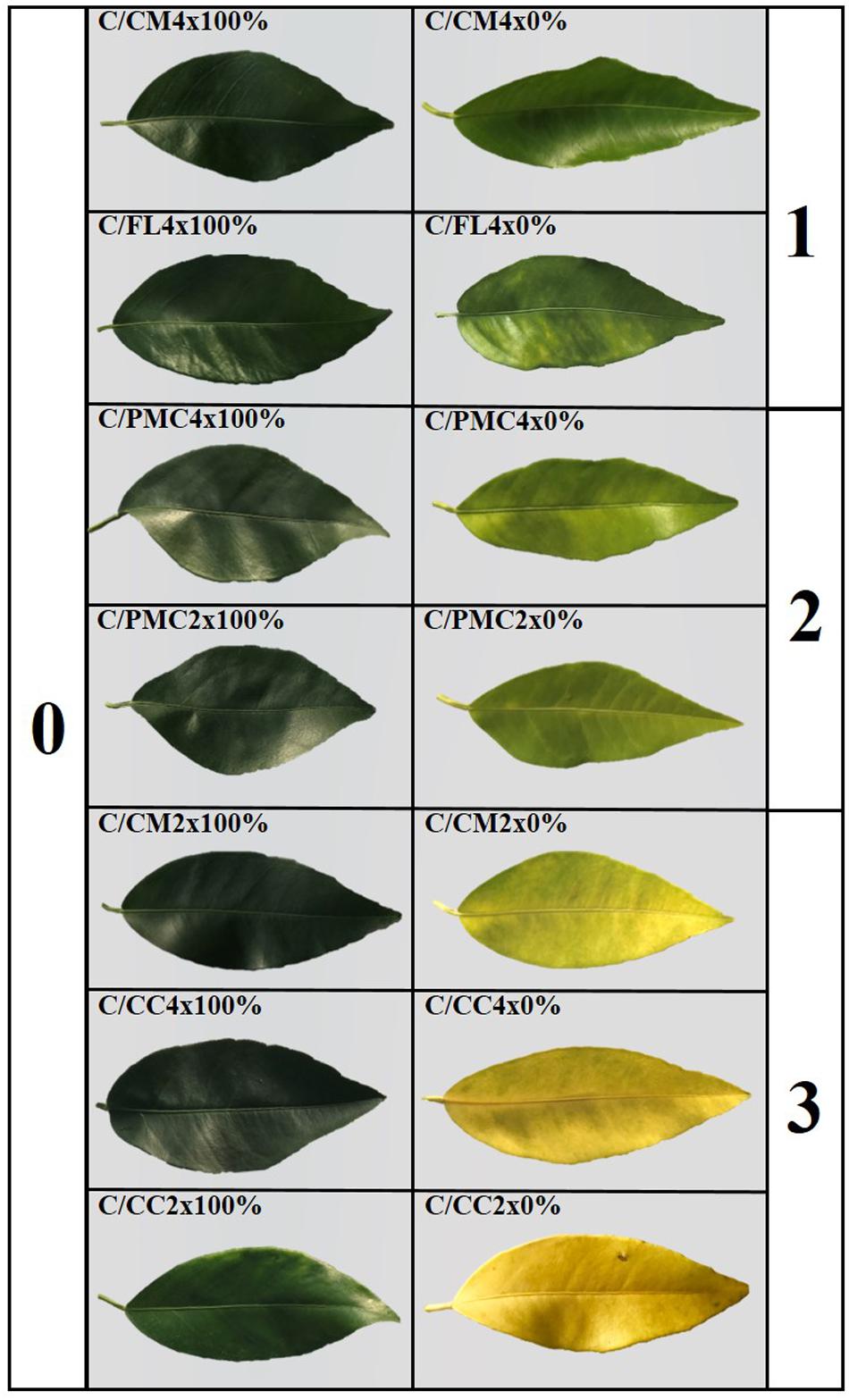
Frontiers Influence of Rootstock Genotype and Ploidy Level on Common

Recognizing citrus trees when they have no fruits Al Fresco Citrus

Morphological variability of leaves of 37 accessions of Citrus L. and

citrus_leaves TensorFlow Datasets

Citrus Tree Leaves Identification Chart

Set of Different Citrus Branches with Fruits and Leaves Stock Vector
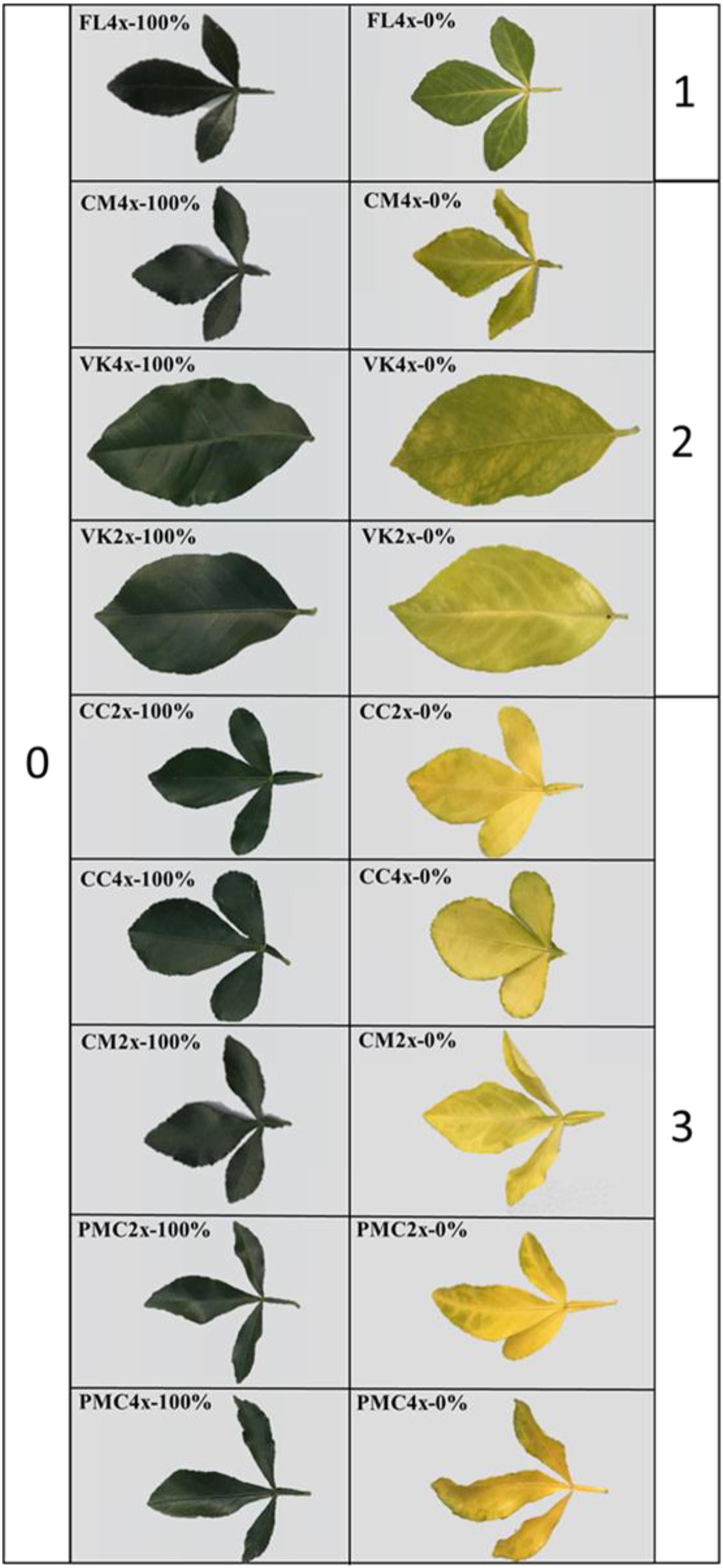
Citrus Nutrient Deficiency Chart
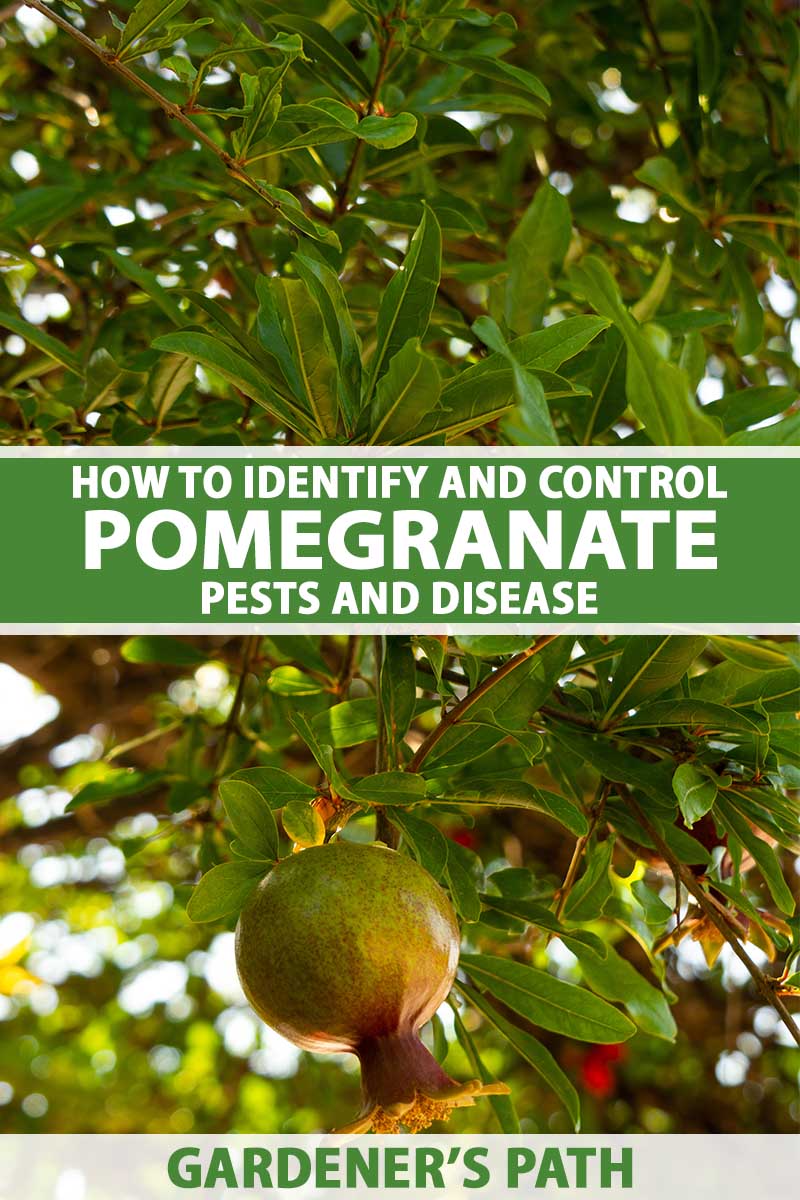
Citrus Tree Leaves Identification Chart Master The Art Of Identifying
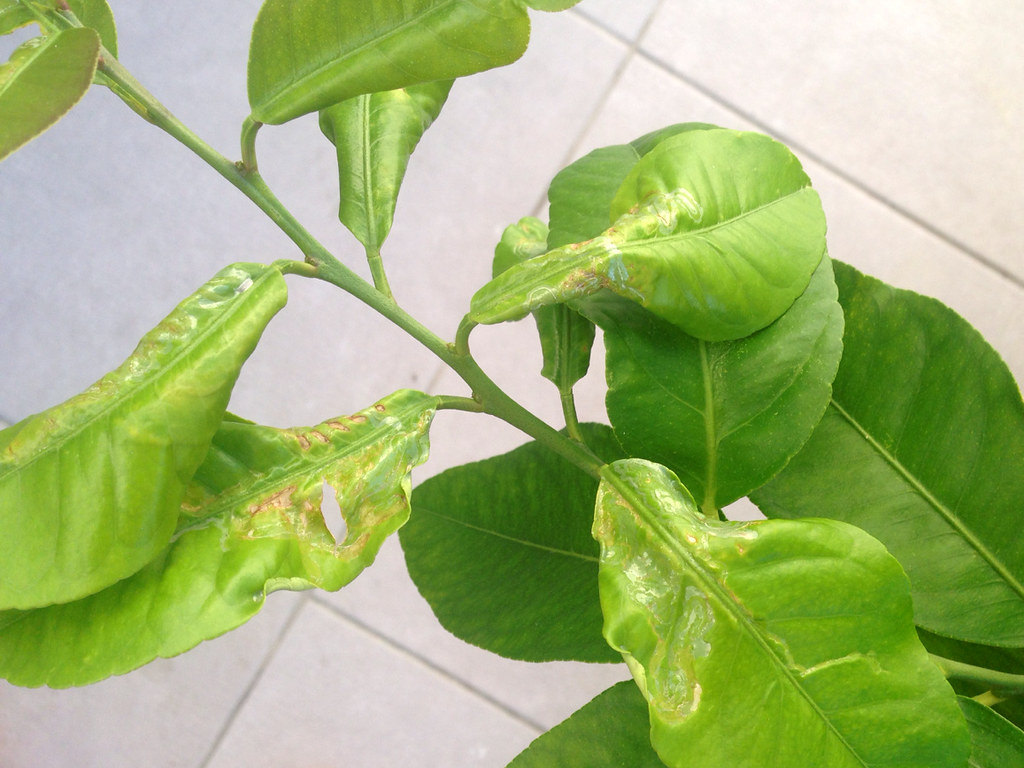
Citrus Tree Leaves Identification Chart Master The Art Of Identifying
Web A Guide To Citrus Nutritional Deficiency And Toxicity Identification1.
Good News, Usda Released A Free Save Our Citrus Iphone App That Makes It Easy To Identify And Report The Four Leading Citrus Diseases:
Web Choosing A Pot:
Lime Trees Have Leaves Similar To That Of A Lemon Tree, But Longer And Shinier.
Related Post: